Mission Statement

How My Spiritual Beliefs and Meditation Came to My Rescue


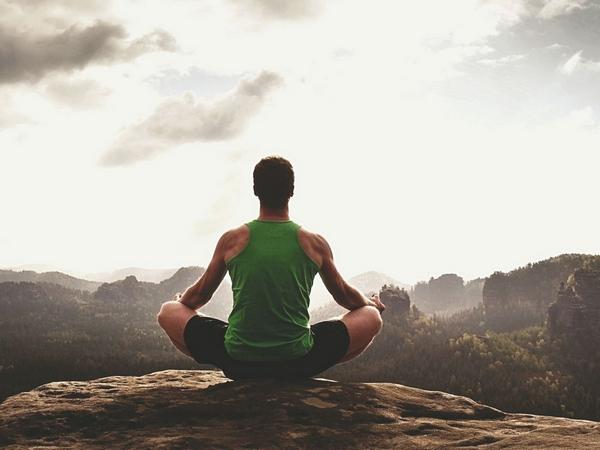
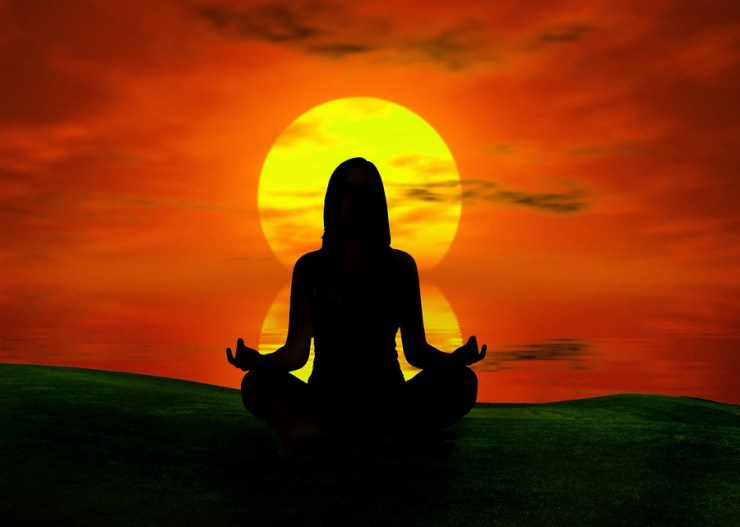
Meditation:

meditation

Hi there my beautiful lovelies! Hope you guys are doing well and staying safe. Today I want to share with you the importance of spiritual beliefs and meditation in my life.

Spiritual and Focused & Mindfulness Meditation:
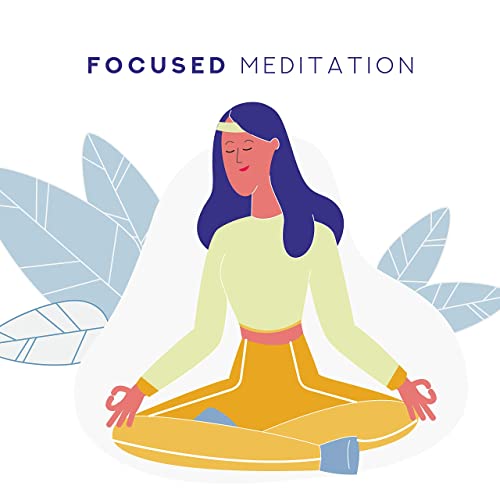
Past week my mom was in the hospital with infection in her blood. Her underlying lung disease and immunosuppressant medications have her very susceptible to infection which has a high probability taking in turn for the worse. My heartrate in the high 120s and 130s told me how stressed I was. Additionally, the anxiety of the outcome of the election, on top of everything else, made me particularly vulnerable to anxiety and uncontrollable stress.
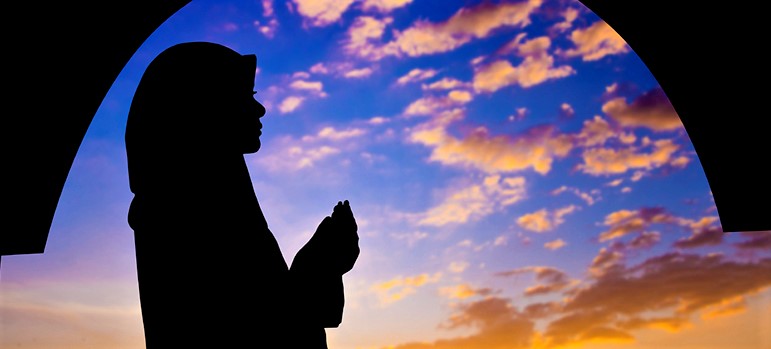
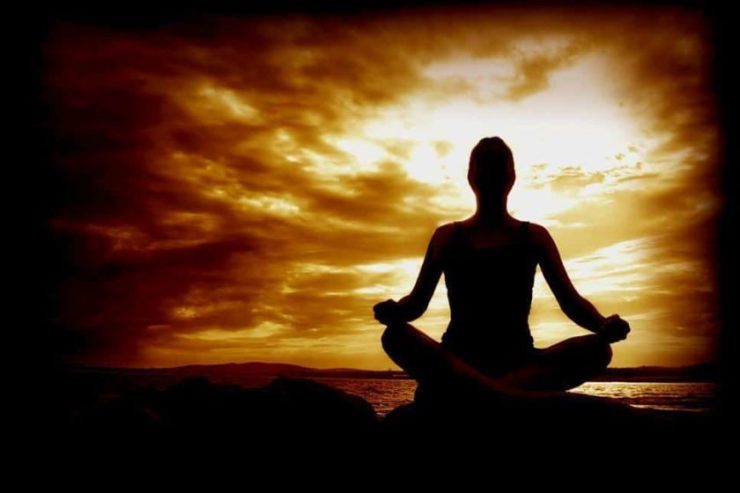
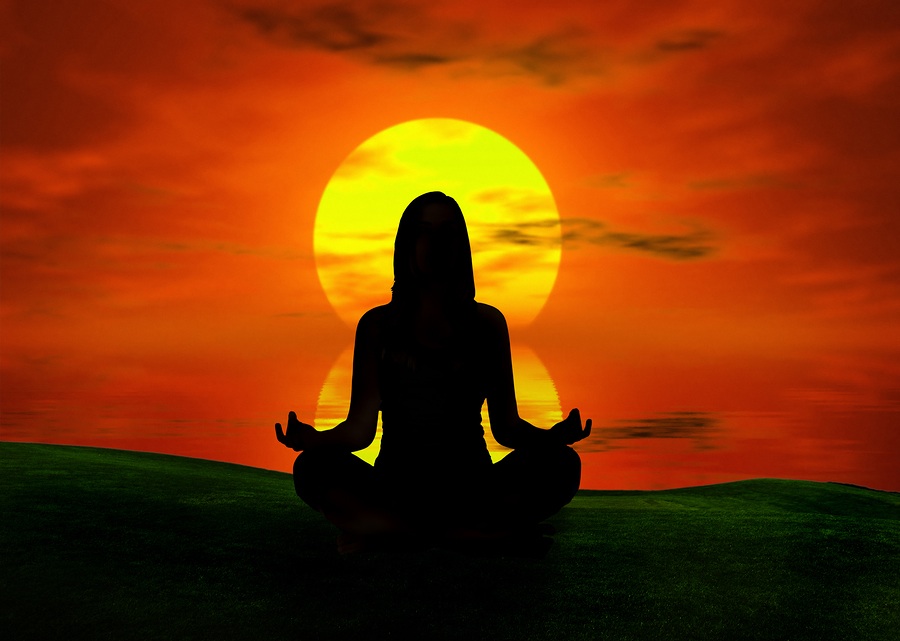
However, during this time of hardship and constant anxiety, my spiritual beliefs, and meditation, came to my rescue. They gave me feelings of optimism towards the future, and get back to the present moment. As you know, I already rely on meditation a lot for intentional living and the past week, spiritual meditation has been an added comport during times of distress.

My Experience Allowed Me to Feel A Special Connection:

The reason I am bringing this up is due to the current health and humanitarian crisis of coronavirus. Over 241,000 individuals have died from COVID-19, and over 10.4 million are infected with the virus. The past week, all I could think of are the over 241,000 families who lost loved one and over 10.4 million who witched their loved ones deal to the pandemic first hand. For the first time, in months, I was succumbed by overwhelming grief and anxiety. I never felt so close to these over 10.4 million families than I felt last week.
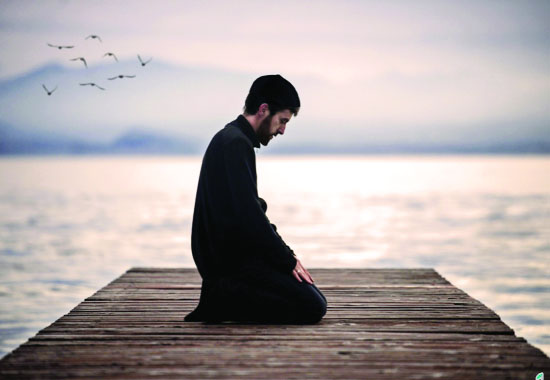
Nevertheless, when meditation alone was not addressing my distress, I turned to spiritual healing. Meditation allowed me to acknowledge the stressors but I needed more to be the support for my mom that she needed to fight for her life. I believe in God but I don’t see myself as a very religious person. However, I relied heavily on spiritual guidance. I started praying everyday and such spiritual meditation has given me hope and the strength to go on. It also strengthened my beliefs to help my mom and deal with the anxiety of the election.

How My Experience Helped My Mom?

My dear lovelies! As I have mentioned in previous post, there are various types of meditation and there is not one right or wrong way to meditate. I relied lot more on meditative music, and praying (spiritual meditation) this time around that made all the difference. My new found strength not only helped me but my mom as well. Every time, she her oxygen level dropped, even with supplemental oxygen, meditation came to the rescue, which lowered her high respiration rate (number of breathing per minute) and helped her find comfort.

Music has many wonderful benefits for stress management and overall health. It can help you calm your physiology without making a conscious effort, and that can alleviate stress from your mind. Music can also lift your mood, slow your breathing, and create other stress-inducing changes. I certainly experienced those benefits myself.

Conclusion:
My mom is at home now and relies a lot on spiritual and guided meditations. I have to thank meditation for that, whether in form of guided meditation or spiritual meditation in form of praying. In conclusion, my recent encounter with family crisis and national political turmoil was very educational, as I have learned to address both through both focused and mindfulness meditations and spiritual meditation.

Question:
Have you reached a similar crossroad in your own life. If yes, what did you do to overcome your stressors? Please respond in the comment section below.

Please subscribe to this blog or follow me if you have a WordPress account.  Don’t forget to check out my Facebook Page and follow me on Instagram @forevernij. Are you on Bloglovin? Also please subscribe to my YouTube channel. Let’s support each other. Please follow me and comment below with your information so that I can follow you back.

Thank you2

——————————–   Happy Reading ———————————-

Follow my Instagram page on @forevernij

Follow my blog on Bloglovin

Follow my Facebook Page on @forevernij

Subscribe to my YouTube channel

Follow my Twitter account @allaboutme3181
meditation

The Beautiful World of Meditation


meditation

Hi there my beautiful lovelies! Hope you guys are doing well and staying safe. Today, I want to share with you a post regarding meditation and it’s practice.

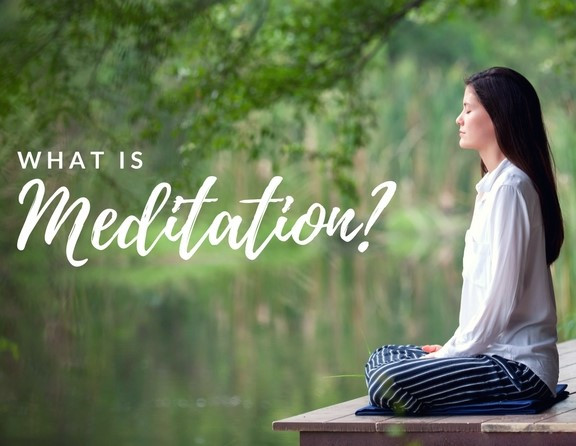
What is Meditation?

This image has an empty alt attribute; its file name is whatisnotmeditation.jpg

I want to start by defining meditation. According to Wikipedia, “Meditation is a practice where an individual uses a technique – such as mindfulness, or focusing the mind on a particular object, thought, or activity – to train attention and awareness, and achieve a mentally clear and emotionally calm and stable state.”

Meditation isn’t about becoming a different person, a new person, or even a better person. It’s about training in awareness and getting a healthy sense of perspective. You’re not trying to turn off your thoughts or feelings. You’re learning to observe them without judgment. And eventually, you may start to better understand them as well.

Types of Meditation:

Although there isn’t a right or wrong way to meditate, it’s important to find a practice that meets your needs and complements your personality.

There are 9 popular types of meditation practice:

  • Mindfulness Meditation
  • Spiritual Meditation
  • Focused Meditation
  • Movement Meditation
  • Mantra Meditation
  • Transcendental Meditation
  • Progressive Relaxation
  • Loving-Kindness Meditation
  • Visualization Meditation

Mindfulness Meditation:

Mindfulness meditation, my favorite and specialty, originates from Buddhist teachings and is the most popular meditation technique in the West. In mindfulness meditation, you pay attention to your thoughts as they pass through your mind. You don’t judge the thoughts or become involved with them. You simply observe and take note of any patterns. This type of meditation is good for people who don’t have a teacher to guide them, as it can be easily practiced alone.

Spiritual Meditation:

Spiritual meditation is used in Eastern religions, such as Hinduism and Daoism, and in Christian faith. It’s similar to prayer in that you reflect on the silence around you and seek a deeper connection with your God or Universe. This practice is beneficial for those who thrive in silence and seek spiritual growth.

Focused Meditation:

Focused meditation involves concentration using any of the five senses. Try counting mala beads, listening to a gong, or staring at a candle flame. As the name suggests, this practice is ideal for anyone who requires additional focus in their life.

Movement Meditation:

Although most people think of yoga when they hear movement meditation, this practice may include walking through the woods, gardening, qigong, and other gentle forms of motion. Movement meditation is good for people who find peace in action and prefer to let their minds wander.

Mantra Meditation:

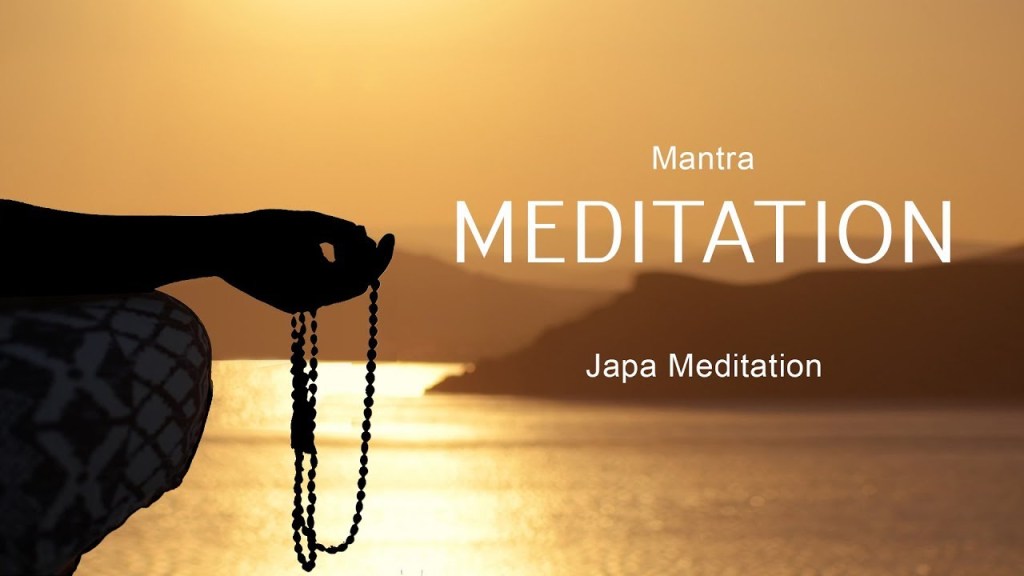
Mantra meditation is prominent in many teachings, including Hindu and Buddhist traditions. This type of meditation uses a repetitive sound to clear the mind. It can be a word, phrase, or sound, such as the popular “Om.” It doesn’t matter if your mantra is spoken loudly or quietly. After chanting the mantra for some time, you’ll be more alert and in tune with your environment. This allows you to experience deeper levels of awareness.

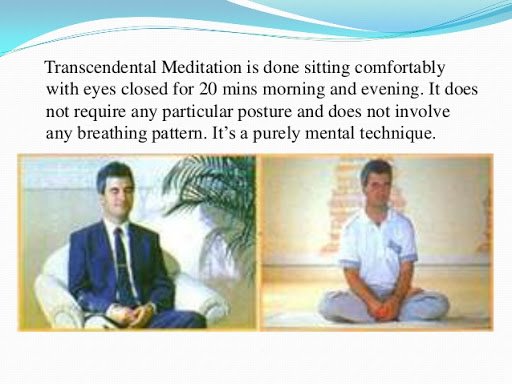
Transcendental Meditation:

Transcendental Meditation is a popular type of meditation. This practice has been the subject of numerous studies in the scientific community. This practice is for those who like structure and are serious about maintaining a meditation practice.

Progressive Relaxation:

Also known as body scan meditation, progressive relaxation is a practice aimed at reducing tension in the body and promoting relaxation. Oftentimes, this form of meditation involves slowly tightening and relaxing one muscle group at a time throughout the body. This form of meditation is often used to relieve stress and unwind before bedtime.

Loving-Kindness Meditation:

Loving-kindness meditation is used to strengthen feelings of compassion, kindness, and acceptance toward oneself and others. Because this type of meditation is intended to promote compassion and kindness, it may be ideal for those holding feelings of anger or resentment.

Visualization Meditation:

Visualization meditation is a technique focused on enhancing feelings of relaxation, peace, and calmness by visualizing positive scenes or images. With this practice, it’s important to imagine the scene vividly and use all five senses to add as much detail as possible. Many people use visualization meditation to boost their mood, reduce stress levels, and promote inner peace.

Please subscribe to this blog or follow me if you have a WordPress account.  Don’t forget to check out my Facebook Page and follow me on Instagram @forevernij. Are you on Bloglovin? Also please subscribe to my YouTube channel. Let’s support each other. Please follow me and comment below with your information so that I can follow you back.

2020-11-03T00:00:00

  days

  hours  minutes  seconds

until

2020 Election Day

Thank you2

——————————–   Happy Reading ———————————-

Follow my Instagram page on @forevernij

Follow my blog on Bloglovin

Follow my Facebook Page on @forevernij

Subscribe to my YouTube channel

Follow my Twitter account @allaboutme3181
Self-love

Love Yourself Unconditionally | Self-Love Healing Meditation for Sleep


Self-Love:

Self-love

Hi there my beautiful lovelies! Hope you guys are doing well and staying safe. Today, we will be doing affirmations for boosting self-esteem and reaching a higher self through self-love.

What is Self-Love?

Self-love

These affirmations will help boost unconditional self-love and self-compassion with peace, relaxation, and calm. You can do this before sleep and peacefully drift off to sleep nicely. The self-love meditation will help you shower yourself with love. You do not need to be anything more or do anything more to be worthy of your love. You simply must receive the love you deserve. So the intention of today’s self-love meditation is to shower yourself with love.

These affirmations for self-esteem relaxation includes affirmations to increase self-esteem and confidence and promote a general feeling of calm. Use this guided meditation to love yourself unconditionally. As mentioned in a June 2016 Huffington Post article, The fastest, most direct route to self-awareness and learning to truly love yourself, is meditation. Meditation takes us straight to our true selves. It teaches us about forgiveness, compassion, and acceptance.

Self Love Through Guided Meditation:

Meditation can work wonders for stress reduction and overall improvement of your mental headspace. Its popularity has risen over the years. Every few years, the National Institutes of Health (NIH) conducts a health interview survey that looks at the habits of people in the US, known as the National Health Interview Survey (NHIS). Part of the survey looked at habits like yoga and meditation. The most recent survey in 2017 showed that between 2012 and 2017, the number of people regularly meditating tripled. In 2012, only 4.1% of people survey practiced yoga, but that number spiked up to 14.2% in 2017.

You may not think meditation is for you, but we all need more self-love in our lives. The right kind of guided meditation makes it easy. A guided meditation for self-love increased confidence & feeling a universal connection to your inner power. Be yourself!

Did you find this affirmation meditation helpful? If yes what about this meditation that helped? Please comment below.

In the meantime, please subscribe to this blog or follow me if you have a WordPress account.  Don’t forget to check out my Facebook Page and follow me on Instagram @forevernij. Are you on Bloglovin? Also please subscribe to my YouTube channel. Let’s support each other. Please follow me and comment below with your information so that I can follow you back.

This image has an empty alt attribute; its file name is thank-you.png
Thank you2

——————————–   Happy Reading ———————————-

Follow my Instagram page on @forevernij

Follow my blog on Bloglovin

Follow my Facebook Page on @forevernij

Subscribe to my YouTube channel

Follow my Twitter account @allaboutme3181
Final Part of The Balancing Chakra Series Through Guided Meditation – Crown Chakra or Sahasrara


Crown Chakra or Sahasrara:

Hi, there my lovelies! Hope you all are doing well and staying safe. Today, I will share with you the final part of the balancing Chakra series through guided meditation. We will open up and balance the crown chakra or Sahasrara.

What is the crown sacra or Sahasrara?

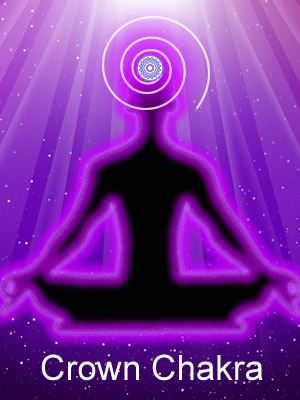
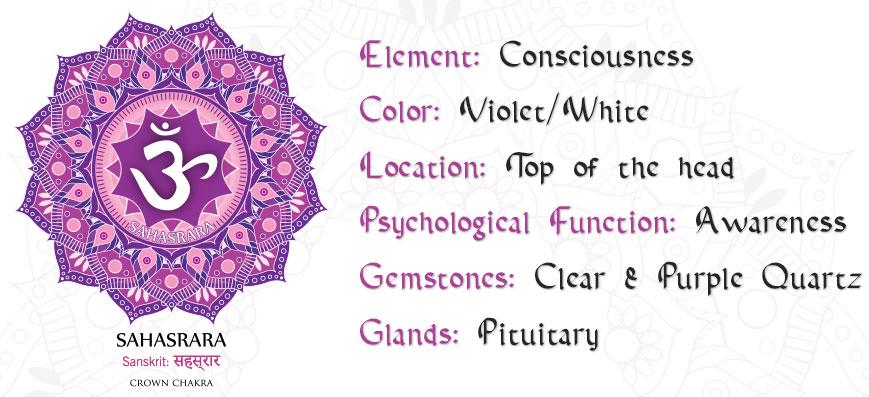
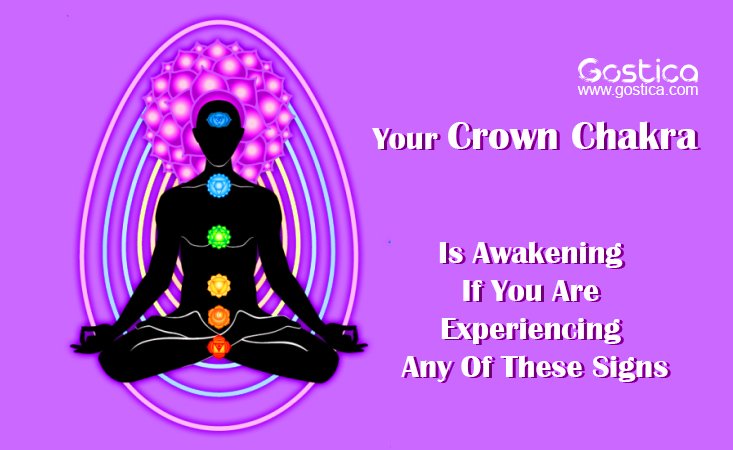
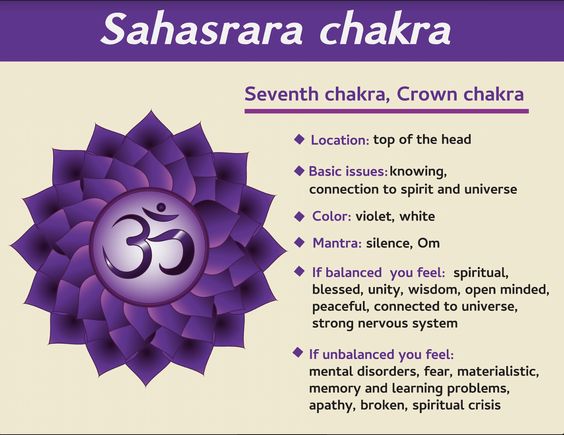
The Crown Chakra is the 7th and final chakra. It is located on the top of the head, an area called the crown. This point is said to be where energy enters the body. If the crown chakra is blocked, the energy can’t get to other chakras, the mind or the body, which sounds awful! The crown chakra pulls all of the other chakras together.

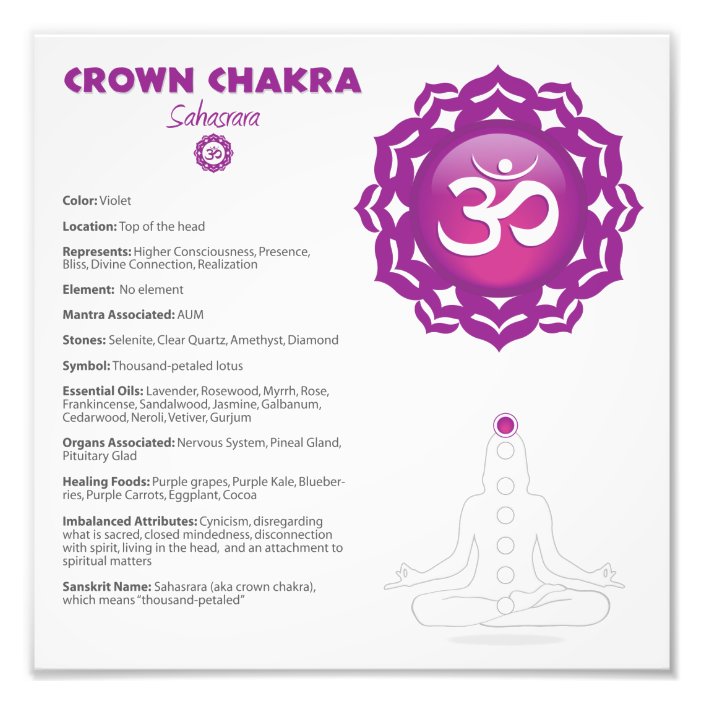
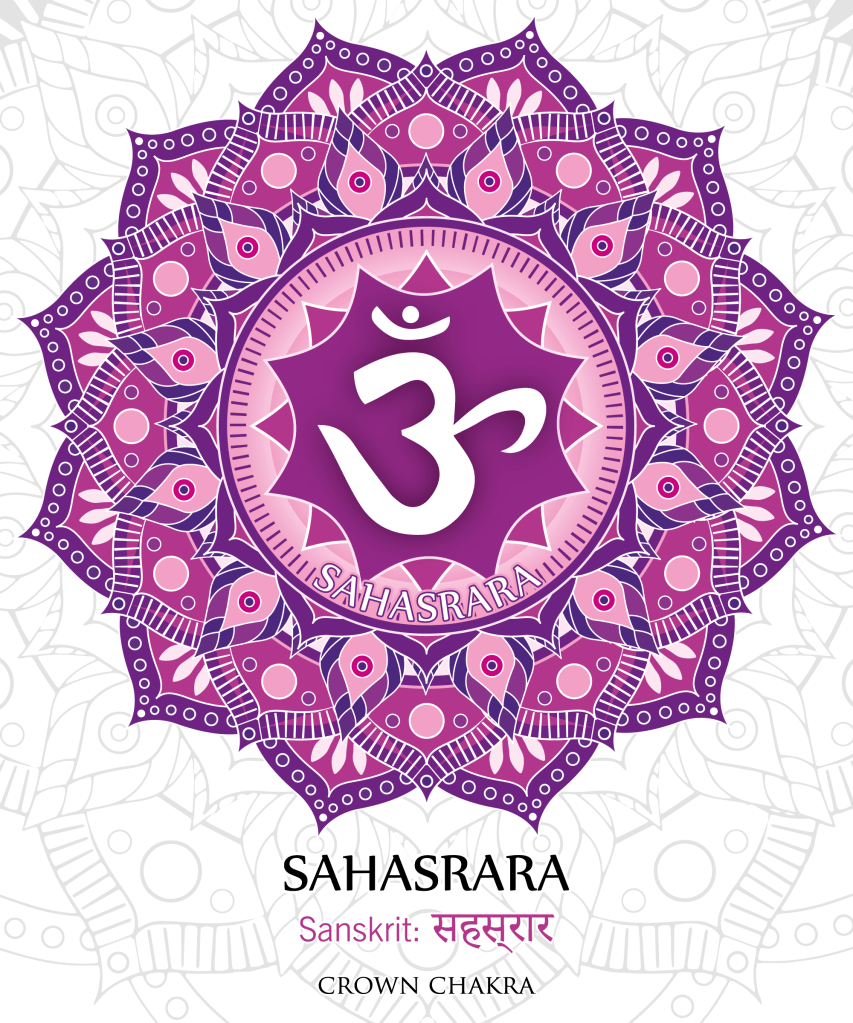
The crown chakra is called the Sahasrara Chakra in Sanskrit, which means the thousand-fold chakra. The lotus symbol for this chakra also has 1000 petals (though my drawing may have slightly fewer). One of the best methods of balancing this spiritual crown chakra is silence. Allowing yourself time and space to think and be really helps the crown chakra. For this reason, meditation is very effective for healing and balancing the crown chakra.

Location of Crown Chakra:

Crown Chakra is located at the crown of the head. The gift of this chakra is experiencing unity and the selfless realization that everything is connected at a fundamental level. The energy of crown chakra allows us to experience mystical oneness with everyone and everything in nature.

The most commonly accepted location for the crown chakra is at the top of the head or slightly above the head. It sits like a crown, radiating upwards, hence its name. The Crown chakra is primarily associated with the pituitary gland, and secondarily to the pineal and the hypothalamus. The hypothalamus and pituitary gland work in pairs to regulate the endocrine system. Because of its location, the crown chakra is closely associated with the brain and the whole nervous system.

People must not mistake the personal spiritual connection of the seventh chakra with religion. Religion is rooted in group followings, suggesting in numbers we are safe. Spirituality is an individual experience directed towards releasing fears of the physical world and relating to the divine and knowing the divine is in all of us.

Element Associated With Crown Chakra:

The element associated with Crown Chakra is thought. This energy center is associated with the element of thought, connection to spirit, universal consciousness, enlightenment, wisdom, unity, and self-knowledge.

Crown Chakra Color:

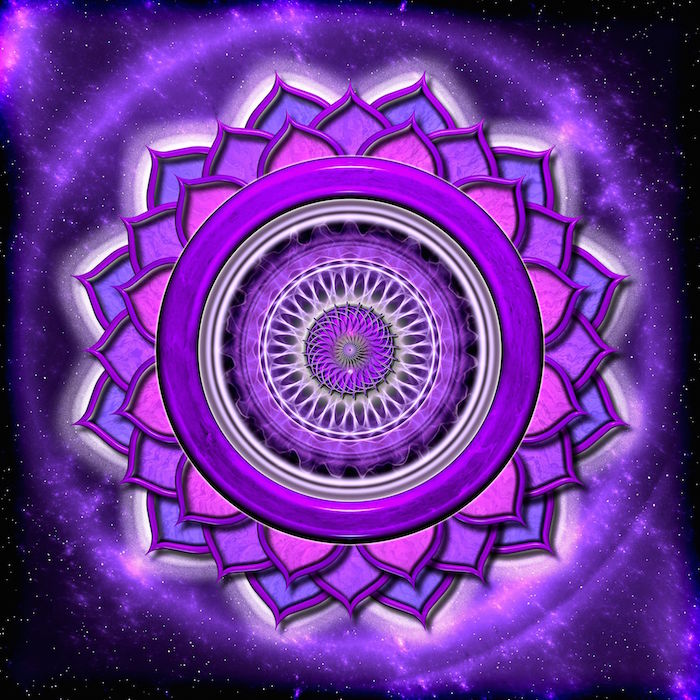
Purple Glowing Nanotechnology, computer generated abstract background

The crown chakra is most commonly represented with the color white, although it can also be depicted as deep purple. The auric color of crown chakra energy can also be seen as gold, white, or clear light.

No explanation of the crown chakra symbol meaning would be complete without an exploration of the colors used to depict it — violet and white. Violet is the traditional color associated with spiritualism and intuition, while white is commonly accepted as a hue of purity, forgiveness, and renewal. Taken together, these colors are a good marriage of hues for the energy center that governs your ability to forgive, awaken and hone your intuition, and also cleanse and renew yourself physically, emotionally, and spiritually.

Crown Chakra Symbol:

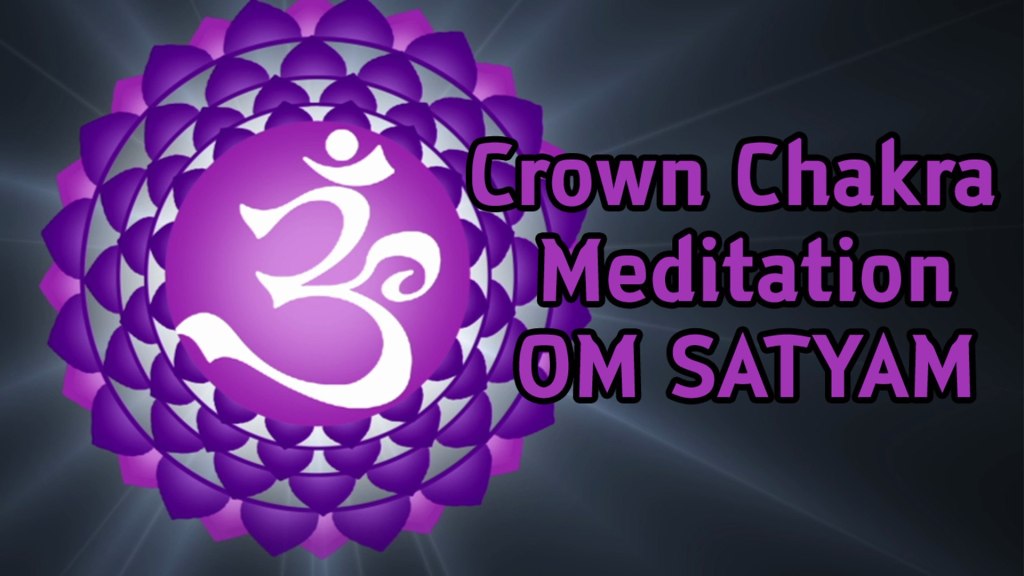
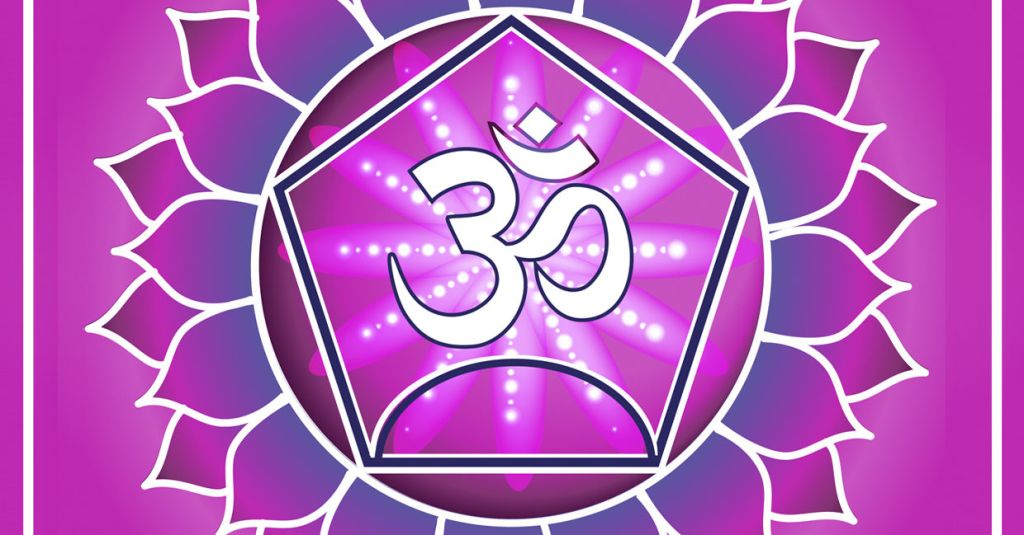
The symbol of the Crown chakra is composed of a circle, a thousand petals. The dominating color of the crown chakra symbol is white. Its petals are multicolor, like a rainbow. The circle is sometimes compared to the symbol of the full moon.

The 1,000-petaled lotus symbol associated with the crown chakra is one that possesses transcendental meaning. Also known as the Sahasrara chakra, the crown chakra is the energy center of spiritualism and universal knowledge that links you to the Divine.

Mudra of Crown Chakra:

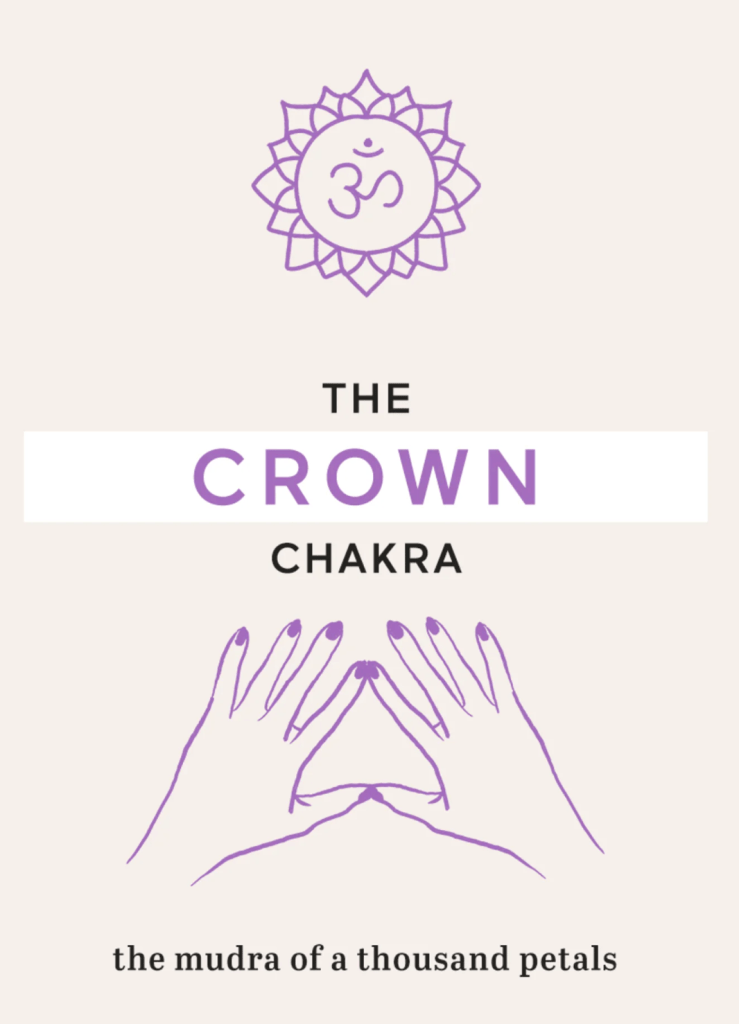
The Mudra of A Thousand Petals is the mudra to open crown chakra. Holding this mudra high above your head can open the gateway to the crown chakra’s domain of universal consciousness, divinity, and transcendence. Place the tips of your index fingers and thumbs together to touch, forming a pyramid shape.

Mantra For Crown Chakra:

The mantra associated with the crown chakra is the classic AUM, also sometimes written om. This sound is said to be the sound of the universe. It encompasses the beginning, middle, and end of everything in its three sounds (A-U-M).

My dear beautiful lovelies! Which chakra meditation do you like the best? Please leave your comment below.

In the meantime, please subscribe to this blog or follow me if you have a WordPress account.  Don’t forget to check out my Facebook Page and follow me on Instagram @forevernij. Are you on Bloglovin? Also please subscribe to my YouTube channel. Let’s support each other. Please follow me and comment below with your information so that I can follow you back.

Thank you2

———————————–   Happy Reading ———————————-

Follow my Instagram page on @forevernij

Follow my blog on Bloglovin

Follow my Facebook Page on @forevernij

Subscribe to my YouTube channel

Follow my Twitter account @allaboutme3181
Living Intentionally

Living Intentionally For a Better and Fulfilling Life


Hi there my beautiful lovelies! Today I will share will something that has helped me so much in every part of my life. It is called living intentionally.

Living Intentionally

What is living intentionally mean?

“Intentional living means understanding your fundamental beliefs and values, and then actively living your life in line with those values.” Intentional living isn’t a one-time choice. Literally, every decision you make should be made intentionally. You should always be searching out your goals, values, and passions.

What does living intentionally looks like in our daily life?

Intentional living is like taking charge of your finances and being responsible. In terms of everyday life, intentional living is taking charge of your finances and being responsible. You are living intentionally when you pick up good habits that will help you to live a life of meaning. It’s like changing your entire lifestyle. Finally, intentional living starts at the very basic. Since it is about making every decision based on our values, everyone’s intentional lives are unique to themselves.

How to live intentionally?

In order to start intentionally, you need to start at the very basics. Sit down with a pen and paper and write down your core values. Then on every step that you take, for every action make sure that you are upholding those values. Not sure what those core values are? That’s okay. Just be warned, intentional living requires a lot of deep thinking (especially when discovering your values). But if you can make it through that part, you’re off to a great start. Meditation can help you become self-aware.

According to Scott Jeffrey, a career and life coach, identifying core values begins by reflecting on meaningful moments, times of limitation, and necessities in your everyday life. He suggests asking yourself questions and zeroing in on peak experiences in your life, as well as the moments when you felt the need to suppress feelings, and the things which fill you up each day.

The Steps for living intentionally – Begin by Laying The Foundation:

Firstly, in order to live intentionally, remember that every morning is a new day full of decisions and opportunities. You get to pick your attitude and your decisions. You don’t have to let the circumstances of your past negatively determine the pattern of your life in the future. You have a choice in the matter. You do not need to be stuck in the same pattern of living that you have been for years. Just realize that every morning is a new opportunity.

Secondly, life is can’t be lived in a vacuum. It is lived surrounded by a culture that is moving somewhere. Living with intention will require you to take a step back and evaluate the flow of the stream to determine where it is headed, how it is affecting you, and if it is taking you in a direction you desire.

Finally, know who you are. Get a strong handle on your passions, talents, abilities, and weaknesses. Give precious time and energy to this endeavor. It is one of the most valuable things you can do.

Take Steps Towards a More Intentional Living:

The first to living intentionally, stope comparing your lives with others. You were not born to live their life. There is no sense in wasting yours being jealous of theirs. Instead, you were born to live your life – determine today to be good at it. After all, you only get one shot.

Next, identify what you want your life to communicate and contribute. Find a passion to live for that is bigger than yourself. Write it down. It will bring new meaning to your life. It will wake you from the slow death of only living for yourself.

Third, set goals for yourself. Goals move us and goals shape us. Set goals that are directly in line with your defined purpose and core values. By their very nature, they will introduce intentionality into your life.

Our values are our “North Star,” the guiding light in our lives. We can easily become overwhelmed by the pressures of society, the comparison trap, and other forms of shame—this is when we have to identify our values. When we’re able to unpack what really makes us tick, versus what we think should be motivating us, we discover that we don’t need to play by anyone else’s rules.

Fourth, stay focused on your goals and core values. We live in a world of constant connectivity and distraction that is begging for our attention nearly every moment of the day. Learn to turn off the distraction and live your life instead. Turn off the tv and don’t read gossip magazines. Remove nonessential physical belongings that are robbing you of time and energy that could be better spent living with intention. Mine is living in the moment and I take each step keeping that in mind.

Finally, learn from others. Successful people are curious people. They possess the humility to learn from others. Identify people accomplishing your purpose and goals. Then, study them and learn from them.

My dear lovelies! What is your opinion about living intentionally? Do strive to live intentionally? What do you do in order to practice of living intentionally? Please comment below.

In the meantime, please subscribe to this blog or follow me if you have a WordPress account.  Don’t forget to check out my Facebook Page and follow me on Instagram @forevernij. Are you on Bloglovin? Also please subscribe to my YouTube channel. Let’s support each other. Please follow me and comment below with your information so that I can follow you back.

Thank you2

———————————–   Happy Reading ———————————-

Follow my Instagram page on @forevernij

Follow my blog on Bloglovin

Follow my Facebook Page on @forevernij

Subscribe to my YouTube channel

Follow my Twitter account @allaboutme3181
Part Six of Balancing Chakra Series Through Guided Meditation – Third Eye Chakra or Ajna


Hi there my beautiful lovelies! Hope you guys are doing well and staying safe. Today, I will share with you information about the Third Eye Chakra or Ajna.

Third Eye Chakra or Ajna

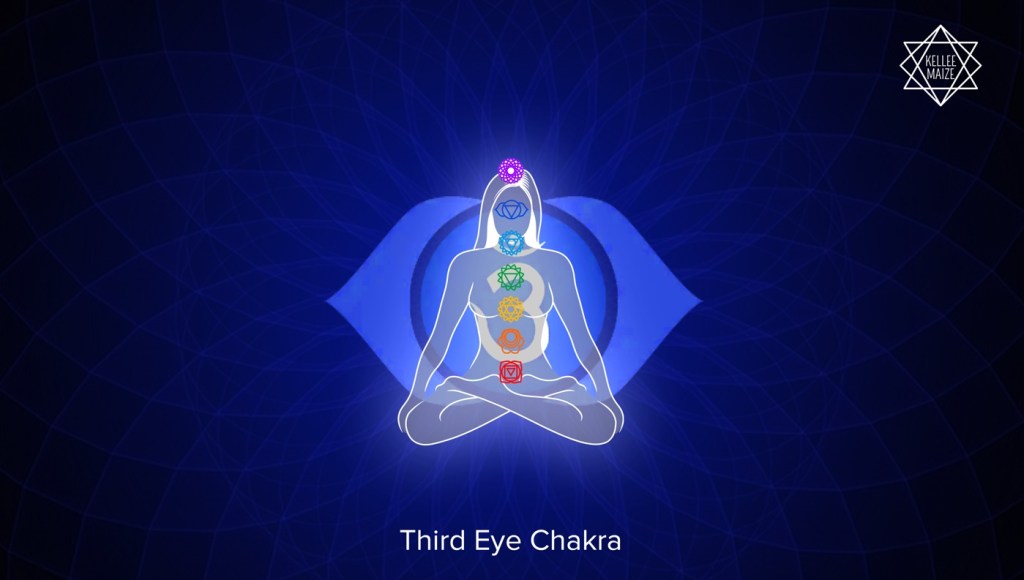
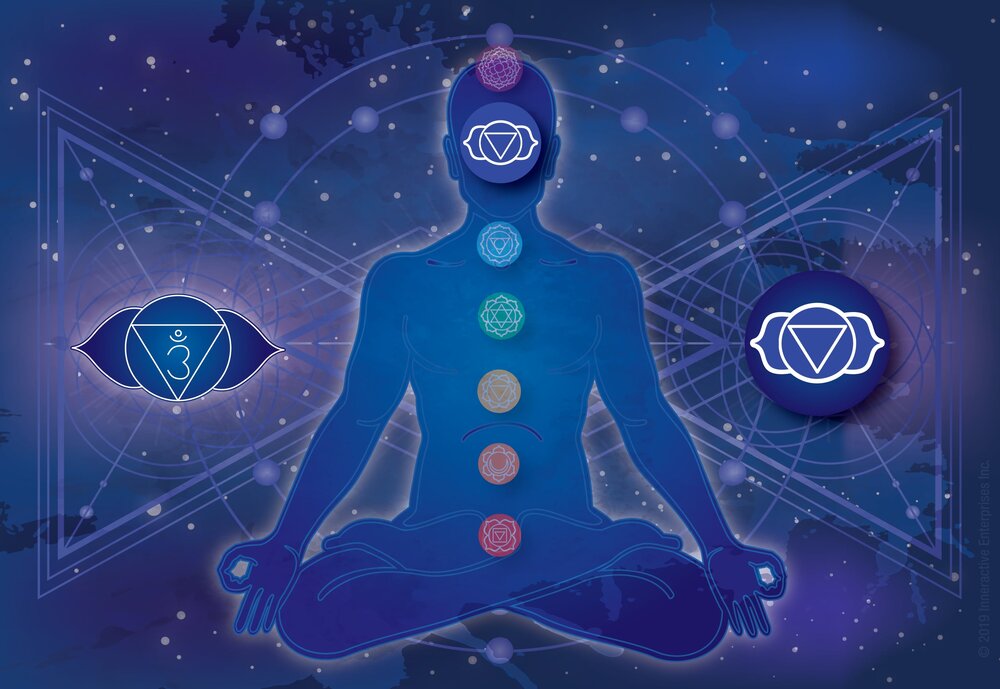
third eye chakra

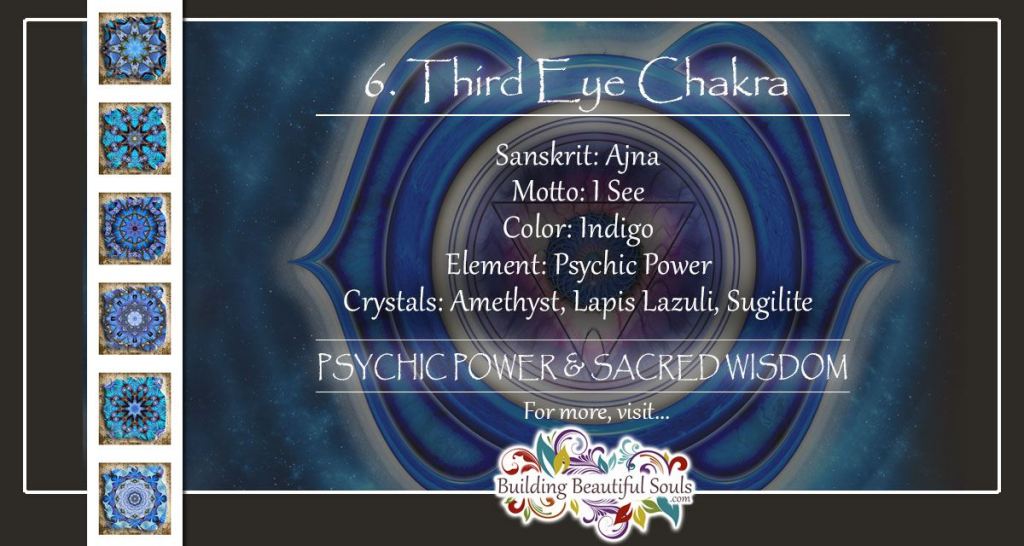
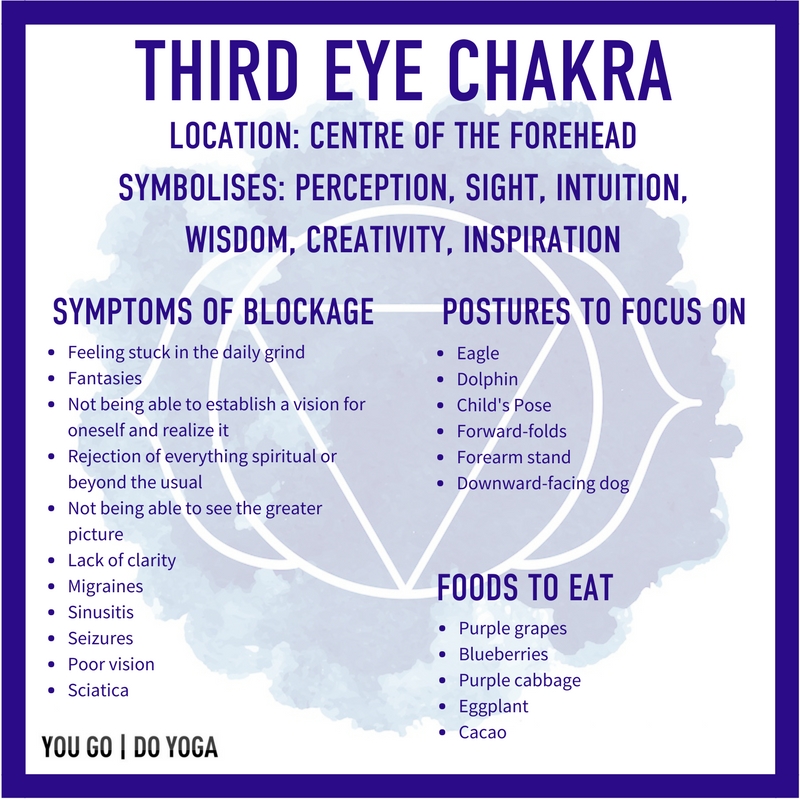
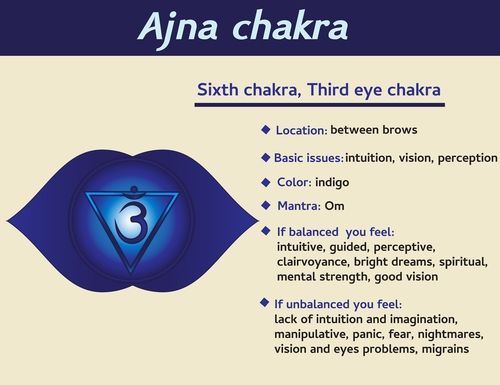
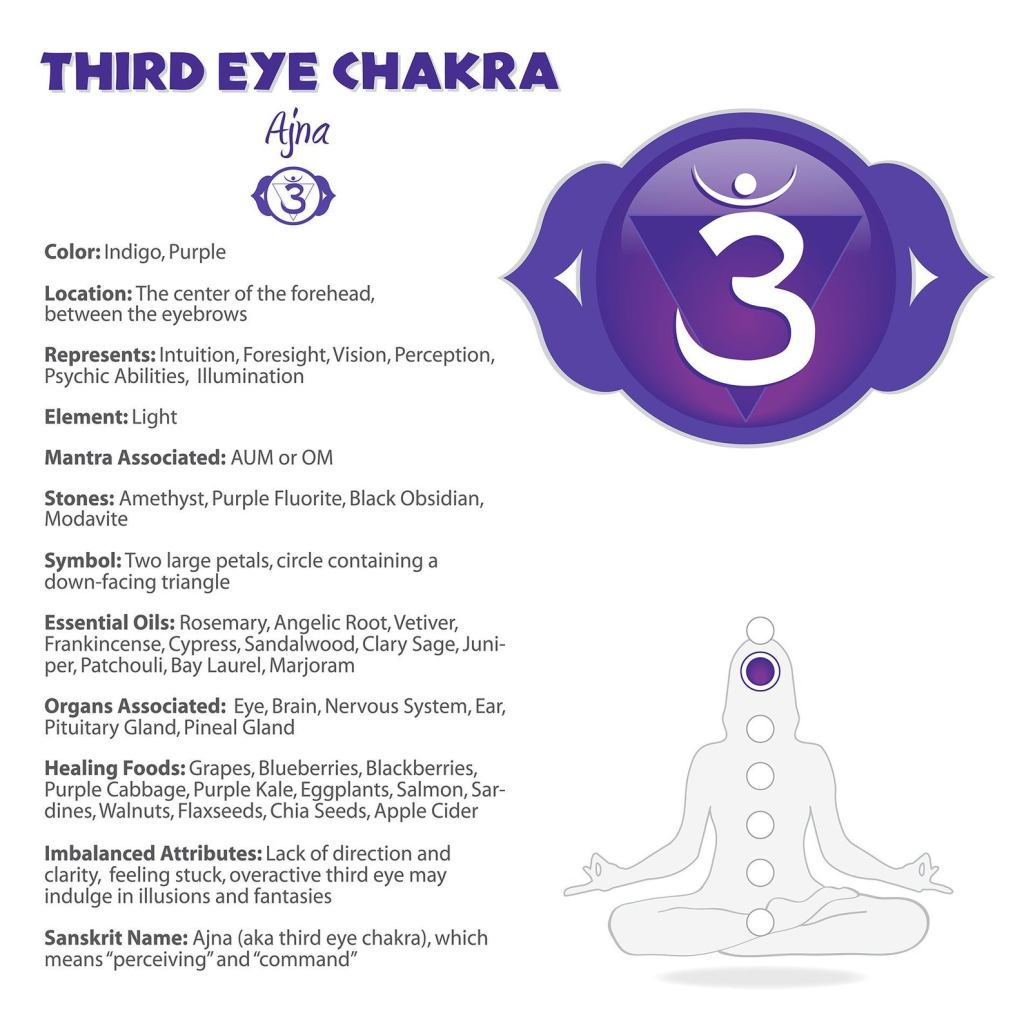
The third eye chakra is the sixth chakra. Located on the forehead, between the eyebrows, it is the center of intuition and foresight. The function of the third eye chakra is driven by the principle of openness and imagination. Most of us have energetic blocks and imbalances as well as energy-sabotaging habits that prevent us from accessing our full vitality, which leads us to feel exhausted, scattered, dull, even ill.

The Third eye chakra is associated with the pineal gland in charge of regulating biorhythms, including sleep and wake time. It’s a gland located in the brain that is a center of attention because of its relationship with the perception and effect of light and altered or “mystical” states of consciousness. It’s positioned close to the optical nerves, and as such, sensitive to visual stimulations and changes in lighting.

Imbalance of this chakra can lead to the feeling of being stuck in the daily grind without being able to look beyond your problems and set a guiding vision for yourself. Overactive third chakra without support from the rest of the chakra system may manifest as fantasies that appear more real than reality, indulgence in psychic fantasies and illusions

The Sanskrit Name of The Third Eye Chakra:

The most common Sanskrit name for the Third eye chakra is “Ajna”, which means “command” and “perceiving”. The third eye or Ajna chakra, is the center where we transcend duality – the duality of a personal “I” separate from the rest of the world, of a personality that exists independently from everything else. Because it connects us with a different way of seeing and perceiving, the third eye chakra’s images are often hard to describe verbally. It puts us in touch with the ineffable and the intangible more closely.

Third Eye Chakra Location:

The most commonly accepted location for the sixth chakra is between the eyebrows, slightly above at the bridge of your nose. Contrary to a common misconception, it is not located in the middle of the forehead, but between the eyes where the eyebrows would meet. It can also be described as being located behind the eyes in the middle of the head.

Third Eye Chakra Color:

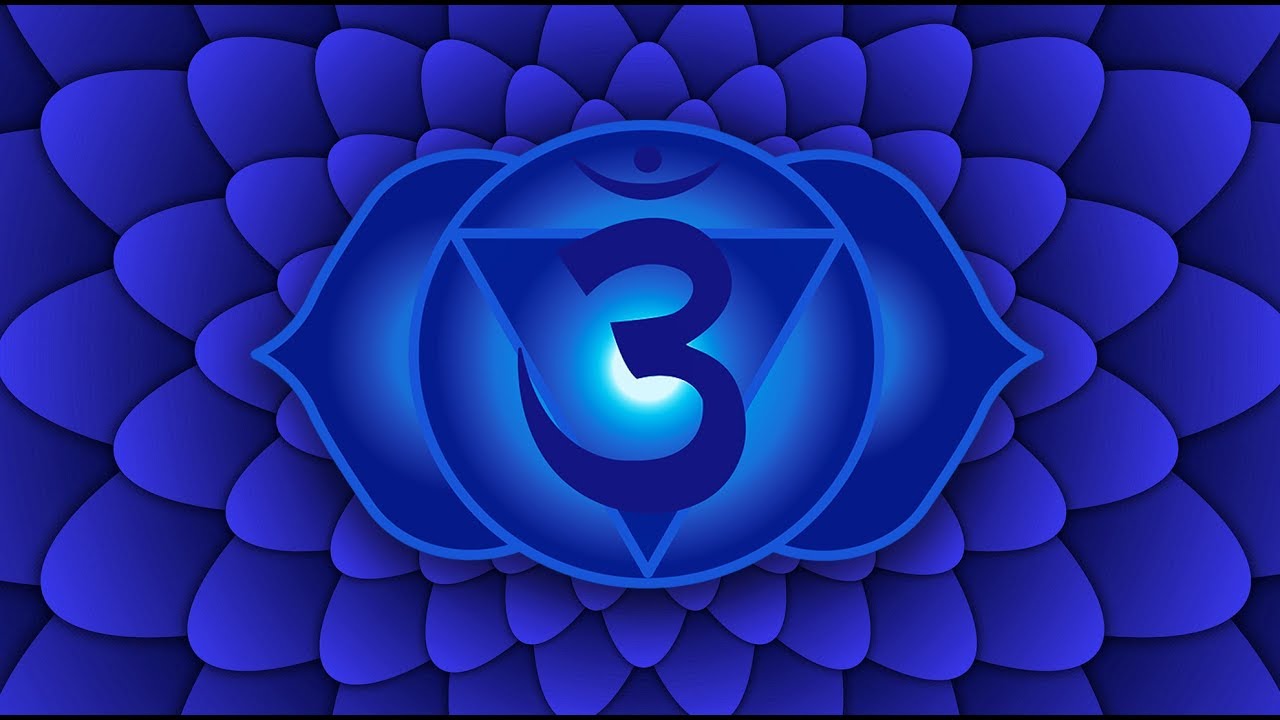
The third eye chakra is most commonly represented with the color purple or bluish purple. The auric color of third eye chakra energy can also be seen as translucent purple or bluish-white. The third eye chakra is our connection to the spiritual world. Indigo, also called royal blue, is the color of night — there is a depth of awakening and change in this color that connects us to space and time. Blue color represents freedom, purity, loyalty, imagination, clarity, confidence, and trust.

Blue is regarded to be a color of the spirit and it is believed to have a beneficial impact on the body and mind. The blue color is also cooling in nature, therefore it will allow you to feel calmer, more peaceful, and balanced whenever you express yourself. The third eye chakra vibrates with the esoteric, spiritual phenomena that can become available to you once all of the lower chakras are clear and activated. Ajna brings a deeper understanding of things; insights and connections that are always there but not always sensed.

Third Eye Chakra Symbol:

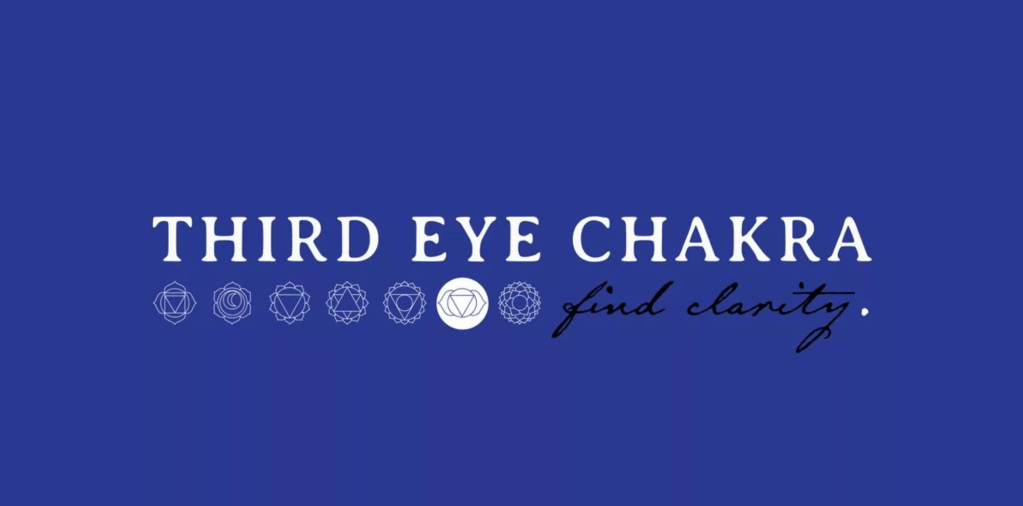
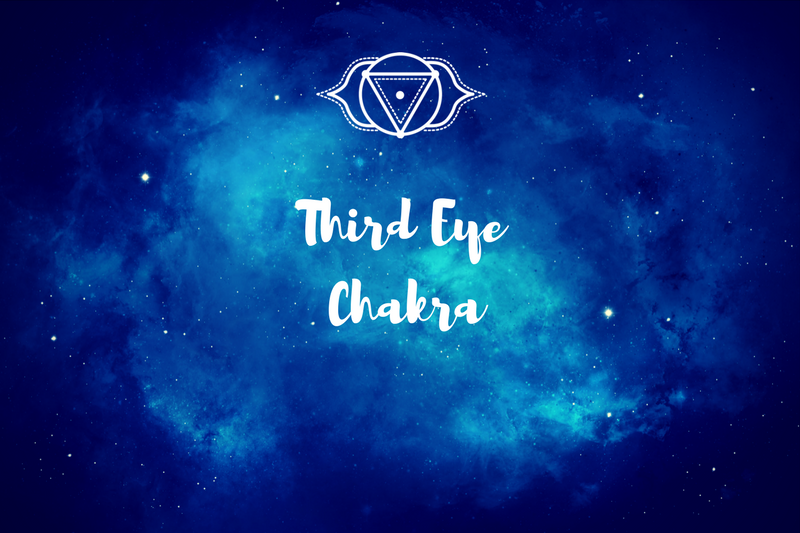
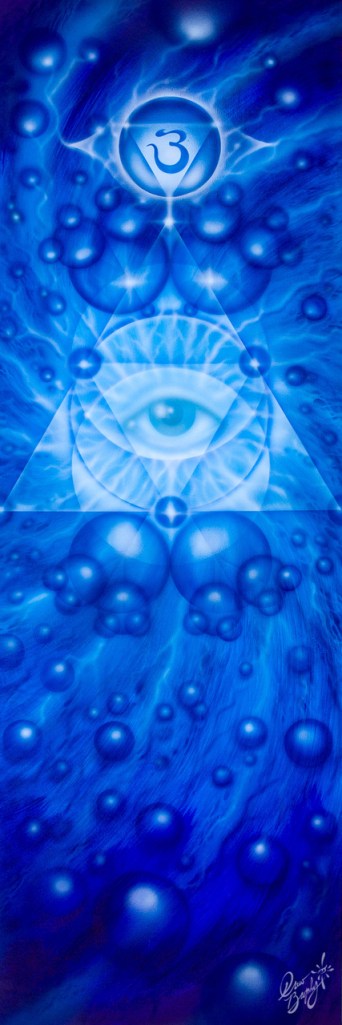
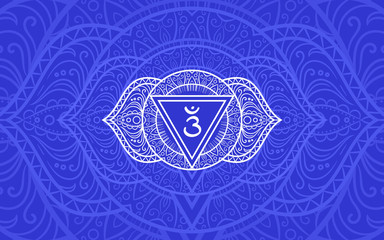
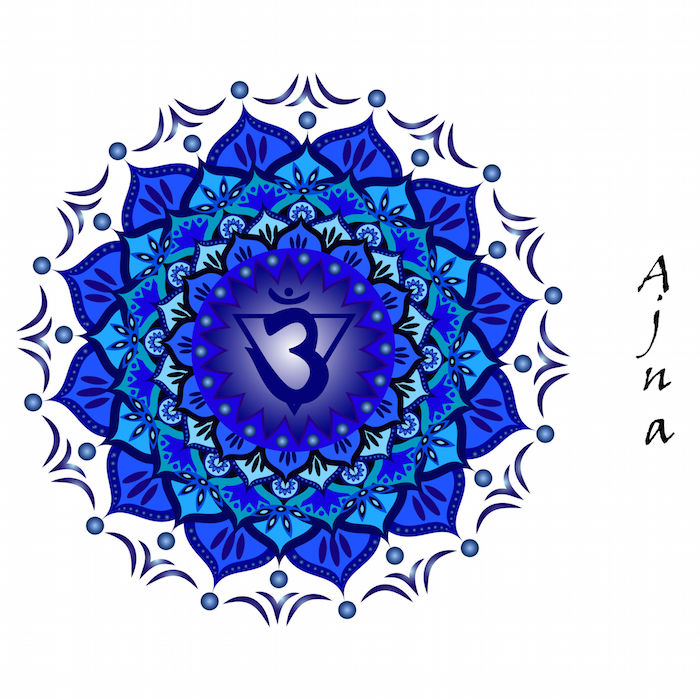
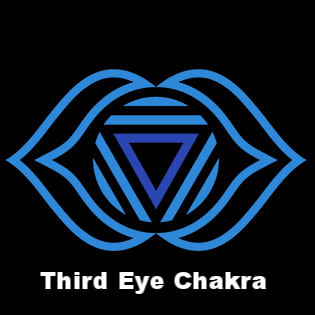
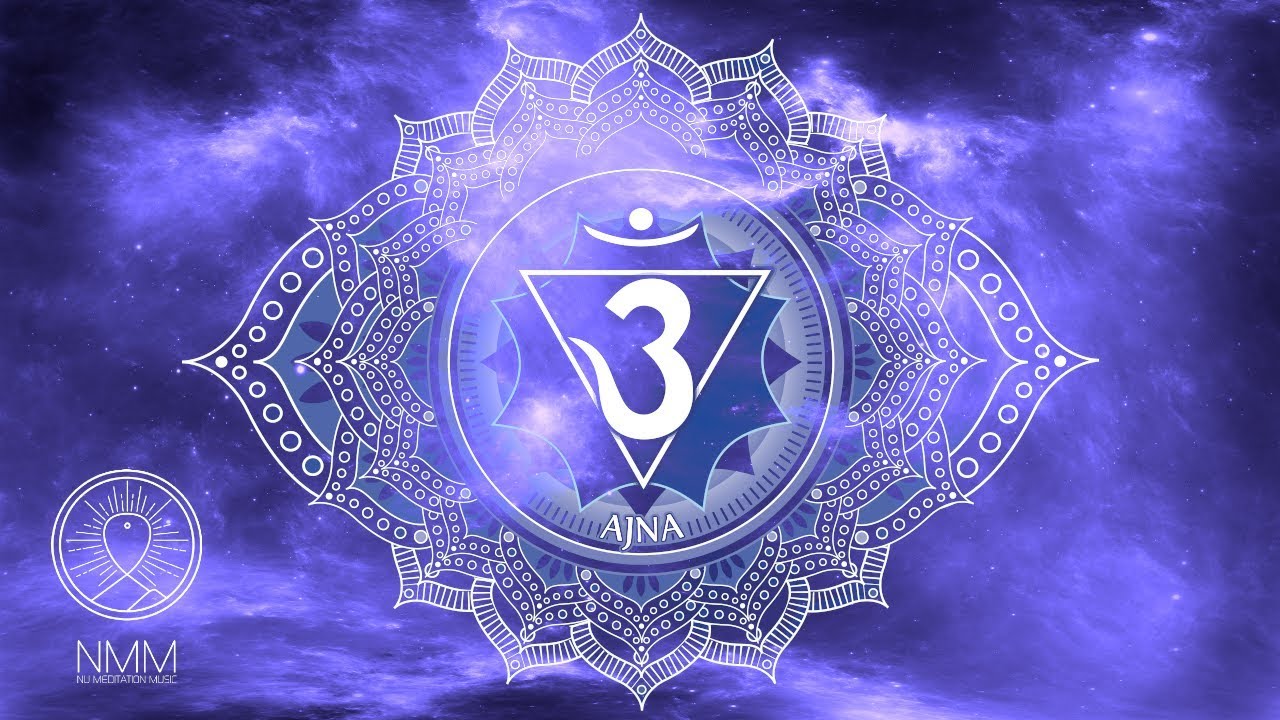
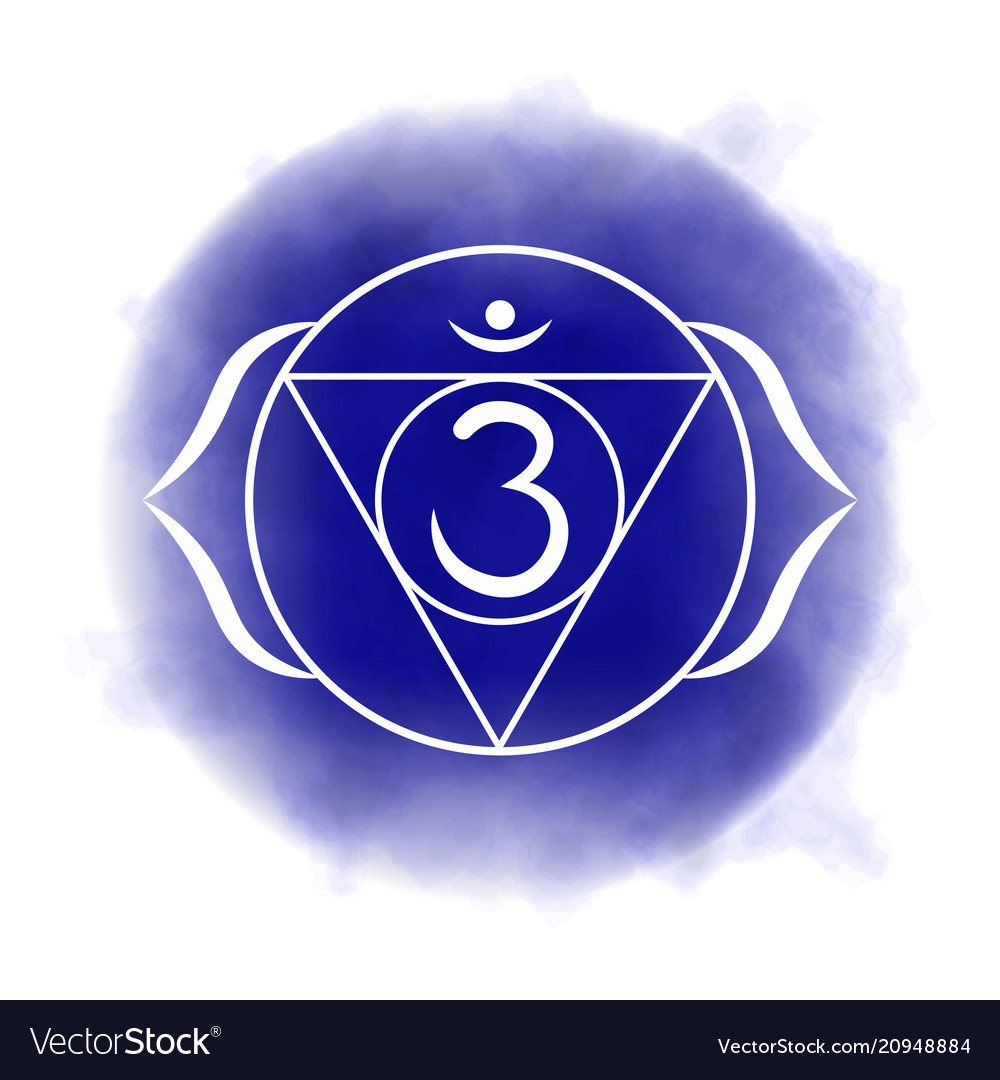
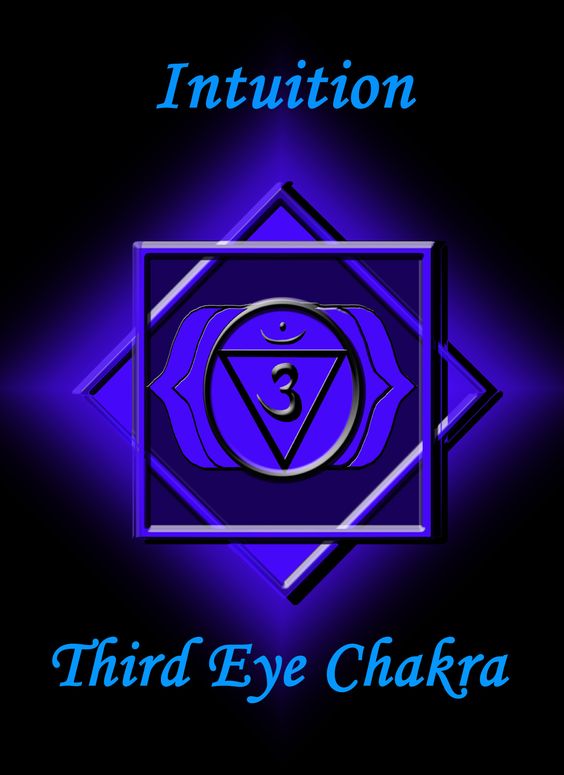
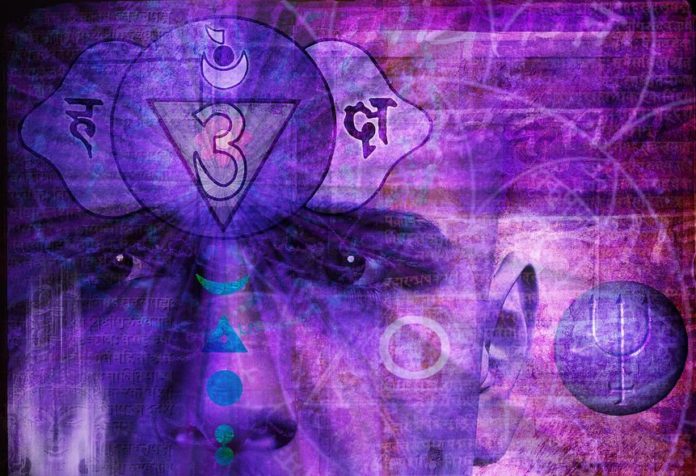
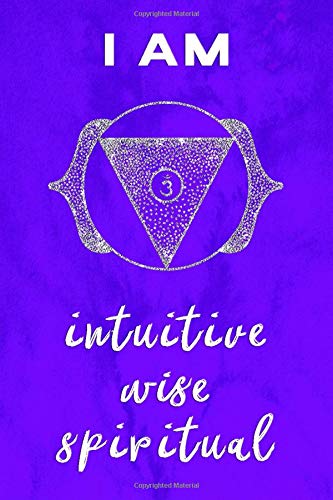
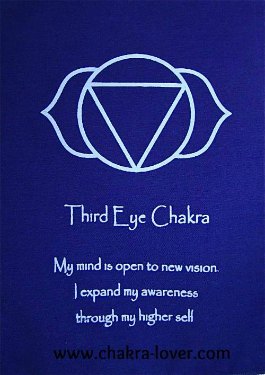
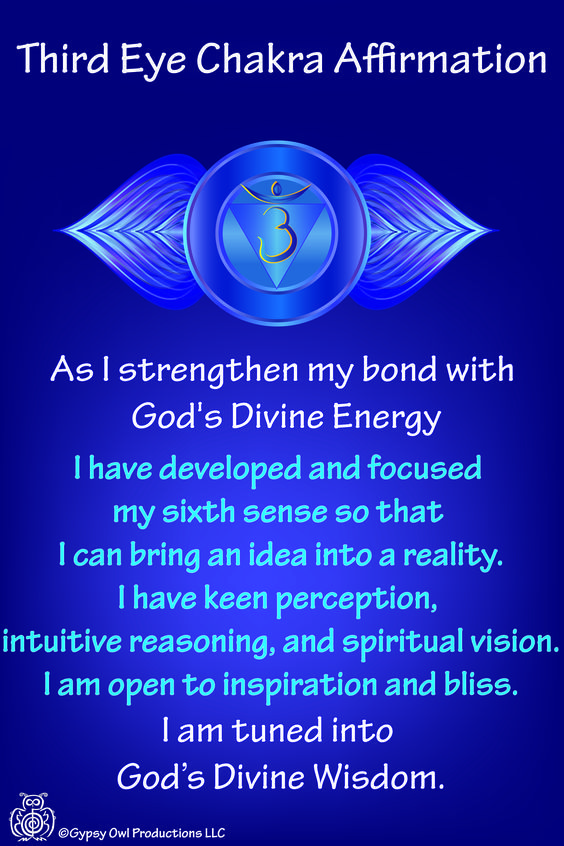
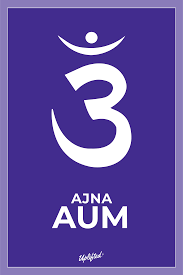
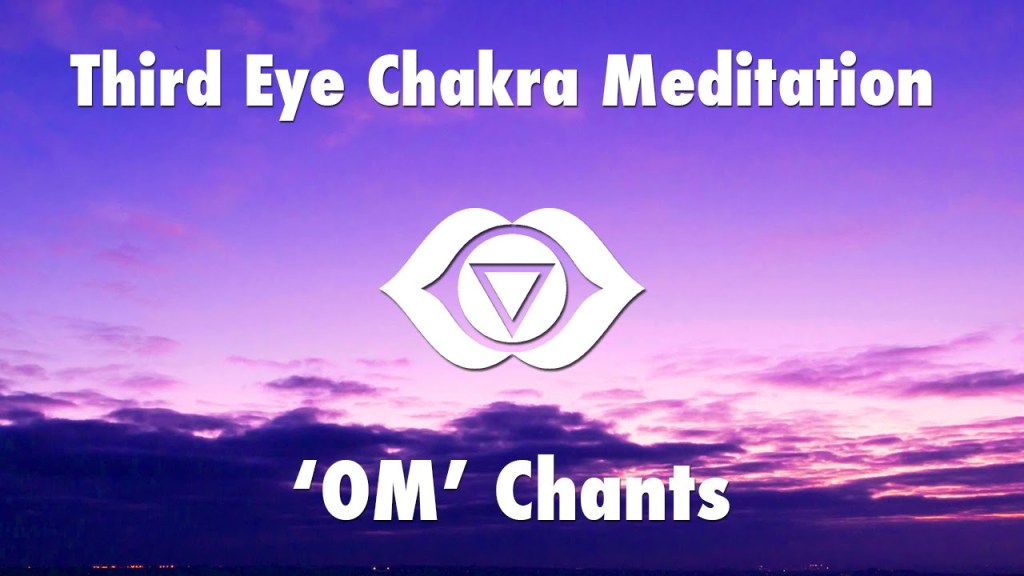
The image of the third eye chakra symbol contains two elements frequently associated with wisdom: the upside-down triangle and the lotus flower. The symbol of the third eye chakra shown with a white moon, six faces, and six arms holding a book, a skull, a drum, and a rosary while making the gestures associated with granting boons and dispelling fears. The downward-pointing triangle above her contains a white lingam. This triangle, along with the lotus flower, can represent wisdom.

Third Eye Chakra Mudra:

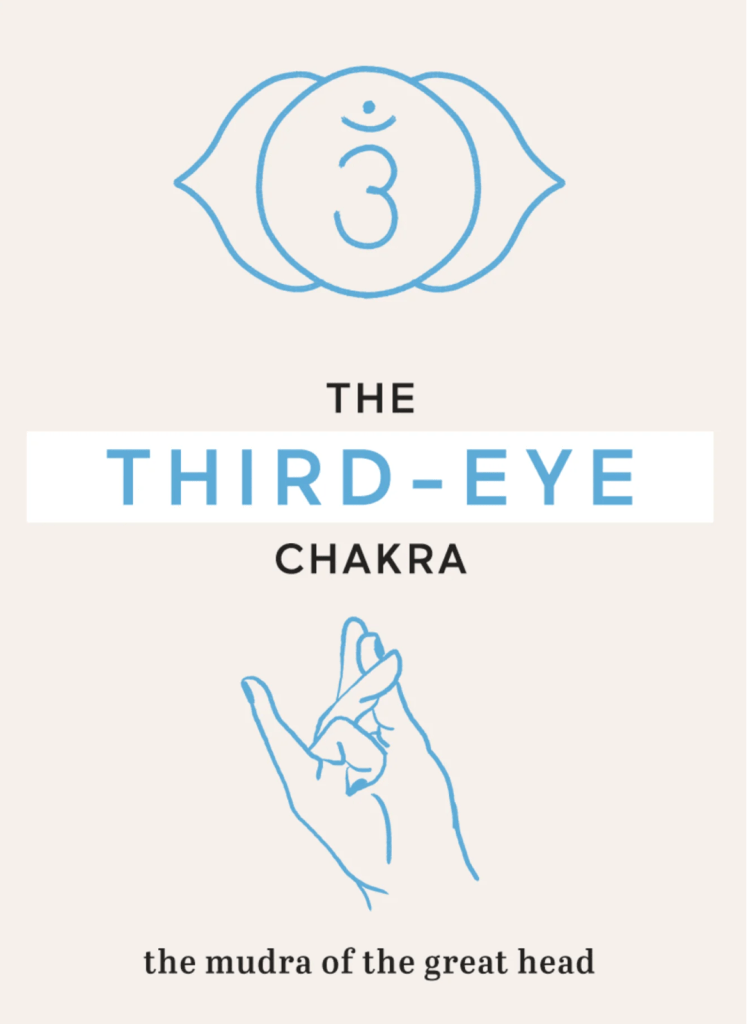
To tap into the wisdom and power of your intuition, use the mudra of the great head to channel deep into your third-eye chakra. Take your right hand just in front of the space between your eyebrows and curl the ring finger into your palm. Bring the tips of the thumb, middle finger, and index finger to touch, and keep the pinky finger extended long. Place the tips of the three fingers that are touching to your third-eye focal point. The left hand can remain on top of the left thigh, palm face-up, or in Gyan mudra.

Another key mudra that works to activate and open the third eye chakra is Gyan mudra, the mudra of wisdom and knowledge that cultivates a sense of clarity and insight and works to open and balance this chakra. To form this mudra, bring the tips of the thumb and first finger to touch. Gyan or Gyana is a Sanskrit word that refers to ‘Knowledge’ or ‘Wisdom’ & mudra means ‘Gesture’ or ‘Symbol’.

Third Eye Chakra Mantra:

The mantra associated with the third eye chakra is a classic: aum (or om). This is the sound of the universe. Affirmations in English include. I trust my intuition. I care for my spirit. Om or Aum is a sacred sound and a spiritual symbol in Indian religions. It signifies the essence of the ultimate reality, consciousness, or Atman. More broadly, it is a syllable that is chanted either independently or before a spiritual recitation in Hinduism, Buddhism, and Jainism.

My dear lovelies! I would love to hear your impression on this chakra and what are you doing to balance your throat chakra? Please comment below at the end of this page.

In the meantime, please subscribe to this blog or follow me if you have a WordPress account. Check out the first to fourth chakras: Root ChakraSacral ChakraSolar Plexus Chakra, and Heart Chakra. Don’t forget to check out my Facebook Page and follow me on Instagram @forevernij. Are you on Bloglovin? Also please subscribe to my YouTube channel. Let’s support each other. Please follow me and comment below with your information so that I can follow you back.

Thank you2

———————————–   Happy Reading ———————————-

Follow my Instagram page on @forevernij

Follow my blog on Bloglovin

Follow my Facebook Page on @forevernij

Subscribe to my YouTube channel

Follow my Twitter account @allaboutme3181
Part 5 of The Balancing Chakra Series Through Guided Meditation – Throat Chakra or Vishuddha


Throat Chakra or Vishuddha:

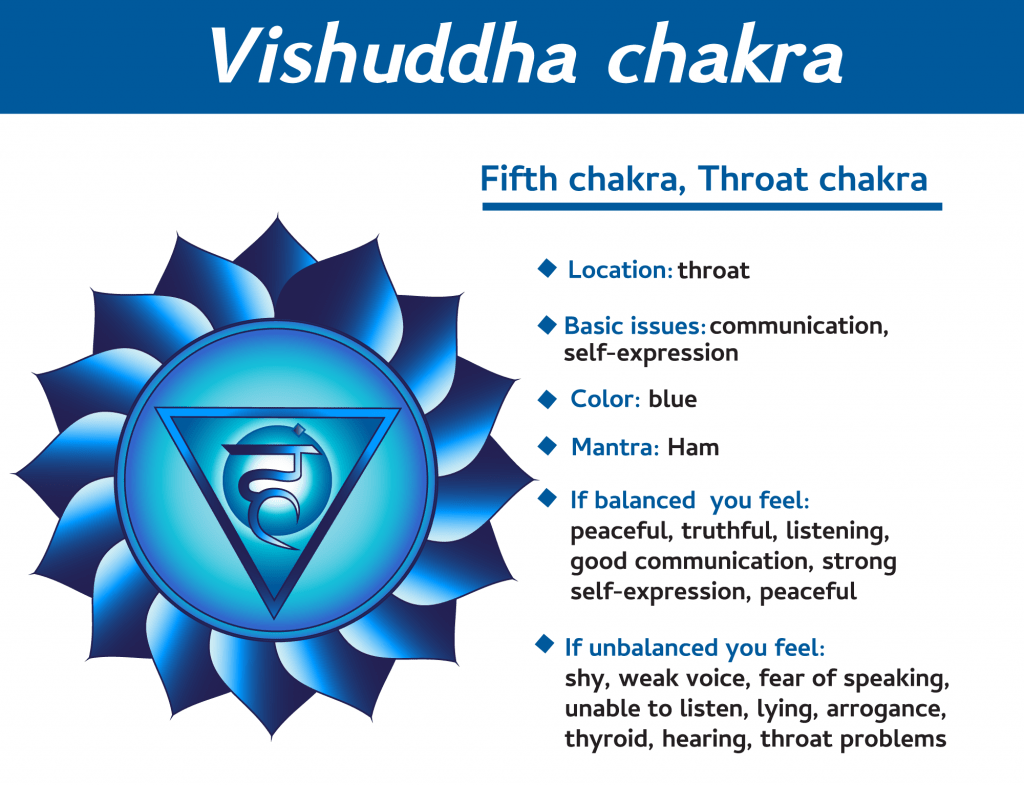
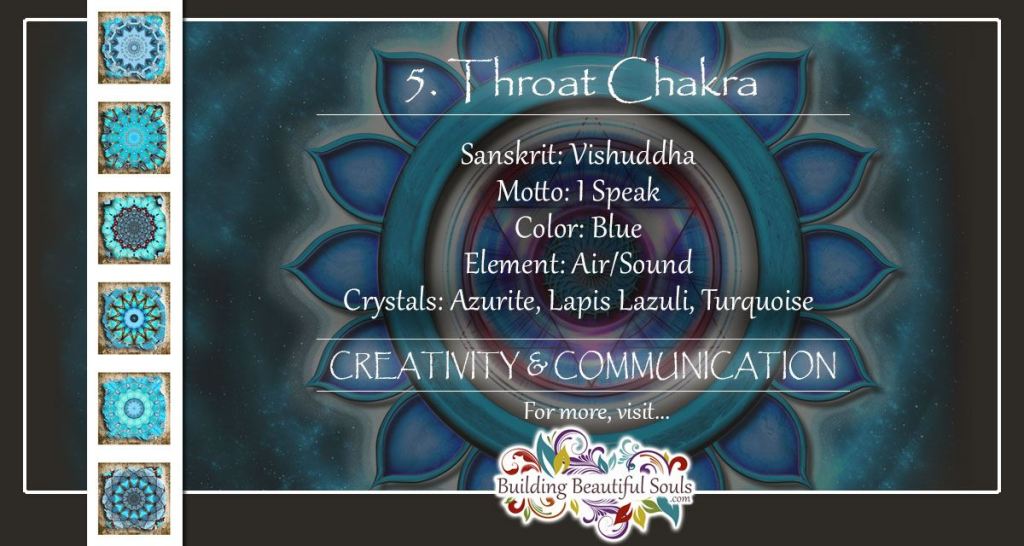
Hi there my lovelies! Hope you all are doing well and staying safe. Today we will try to balance the fifth chakra, Throat Chakra or Vishuddha through guided meditation. In the series of 7 majors chakras in our body, the throat chakra is titled as the fifth chakra when counting in ascending order from the base of the spine to the crown of the head.

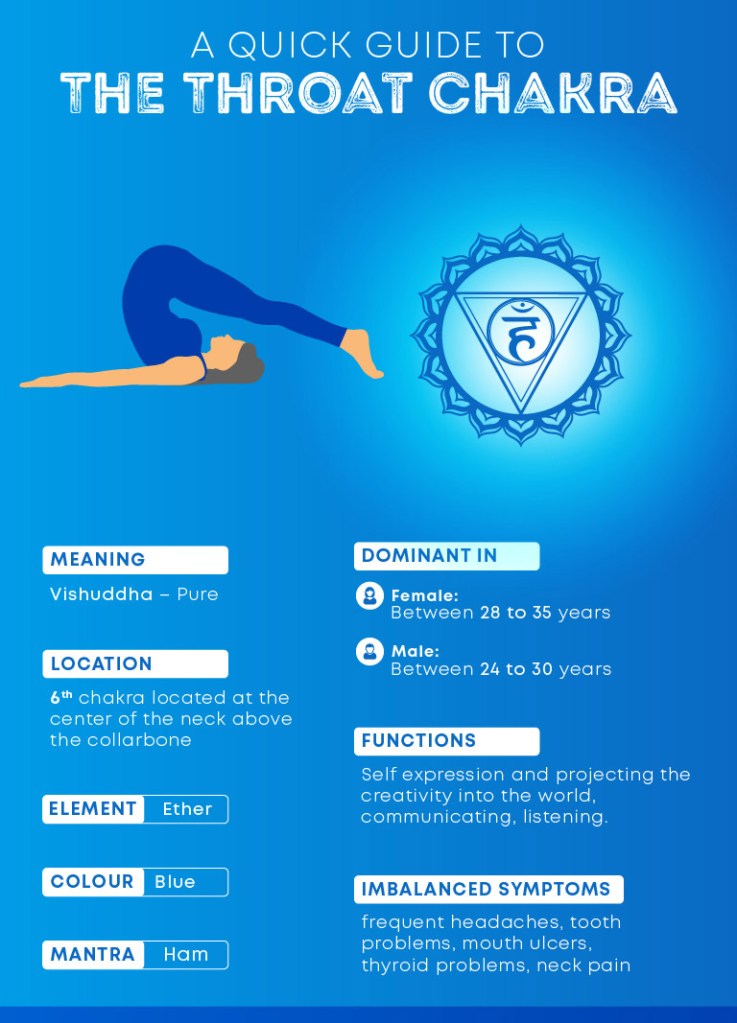
Throat Chakra or Vishuddha is positioned in the throat region. The most common Sanskrit name for the Throat chakra is “Vishudda”, which means “pure” or “purification”. The Throat chakra is about the expression of yourself: Your truth, purpose in life, creativity. Note that this chakra has a natural connection with the second chakra or sacral chakra, center of emotions, and creativity as well. The throat chakra’s emphasis is on expressing and projecting the creativity into the world according to its perfect form or authenticity.

Location:

The Throat chakra is the fifth chakra. Located at the center of the neck at the level of the throat, it is the passage of the energy between the lower parts of the body and the head. The most commonly accepted location for the fifth chakra is at the level of the throat. It’s important to remember that this chakra is multidimensional and is often represented as going out of the front of the throat and going in the back at a slight upward angle. Additionally, this chakra acts as the passage of the energy between the lower parts of the body and the head, and is mainly driven by the principle of expression and communication.

Element:

throat chakra

This chakra is related to the element of sound. Through the throat, the sound is propagated into the air and its vibration can be felt not just in our ears, but also in our whole body. It is an important instrument of communication and expression. Through the throat, the sound is propagated into the air and its vibration can be felt not just in our ears, but also in our whole body.

Function:

The function of the Throat chakra is driven by the principle of expression and communication. It is associated with higher discrimination and is associated with creativity, self-expression, and to express your truth, to speak out. It is associated with the thyroid gland in the endocrine system. This gland is in the neck and produces hormones essential for growth and maturation.

Opening this chakra greatly help align one’s vision with reality and release the pressure that may affect the heart chakra that is located just below. Each being is born with unique talents & has a unique life purpose. This marks it necessary to clearly analyze true desires and not be influenced and enchanted by others. When your voice is rhythmic and resonant, clear with precise expression, it symbolizes your balanced stage of the fifth chakra, defining your ability to take decisions & hence to follow your dreams.

A blocked throat chakra can contribute to feelings of insecurity, timidity, and introversion. On the other end of the spectrum, an overactive throat chakra may also lead to gossiping, nonstop talking, and being verbally aggressive or mean. Rather than speaking up fully from open-heart, one speaks half-truths and untruths to repress the inner dissatisfaction.

In addition, creative impulses get suppressed by blockage of the fifth chakra as ideas do not move through to the lower chakras where they are made into reality, with other features like, fear of speaking, difficulty putting feelings into words, shy, quiet and withdrawn. Other communication features affected by blocked throat chakra include talking too much, dominating voice, inability to listen, and have to appear strong at all costs.

The over-reactive phase of this chakra makes the person yell and dominate others in a conversation, not allowing them to speak or listen to them, with a loud and shrill voice, and become judgmental by overanalyzing things. Underactive chakra makes one whisper and speaks in a timid voice with stammering. These people find it hard to initiate conversations or find the right words when speaking.

Do you know know of anyone with the above features of blocked chakra? Please comment below at the bottom of the page. People with ADHD do exhibits some of these features, such as talking too much (actually out of turn), inability to listen. I know it because I have ADHD.

Symbol:

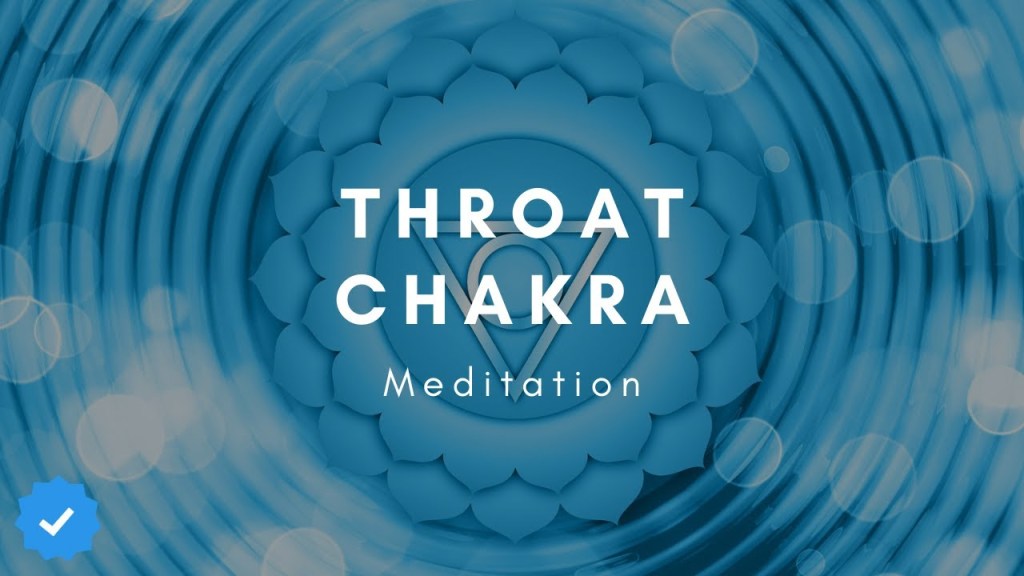
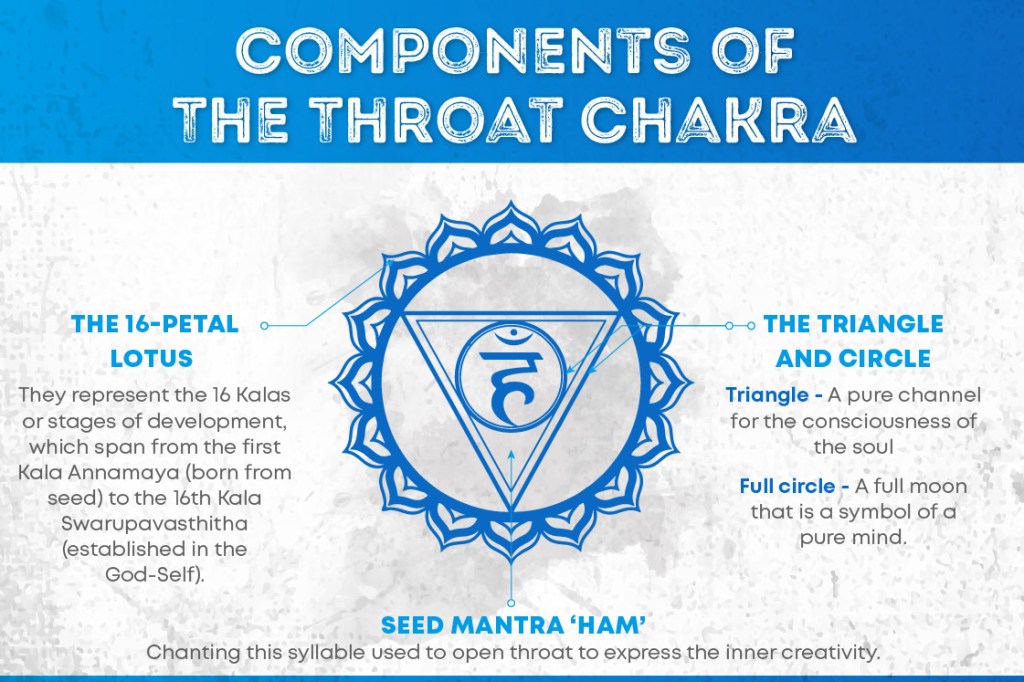
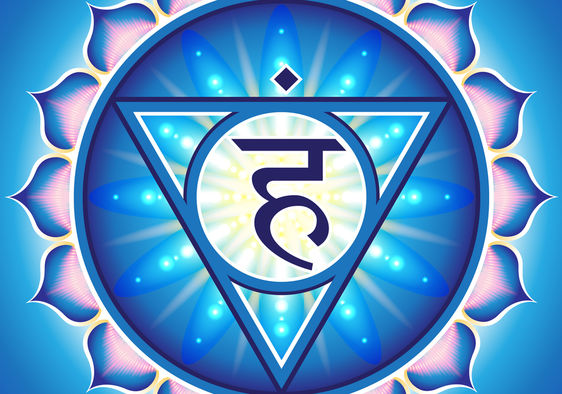
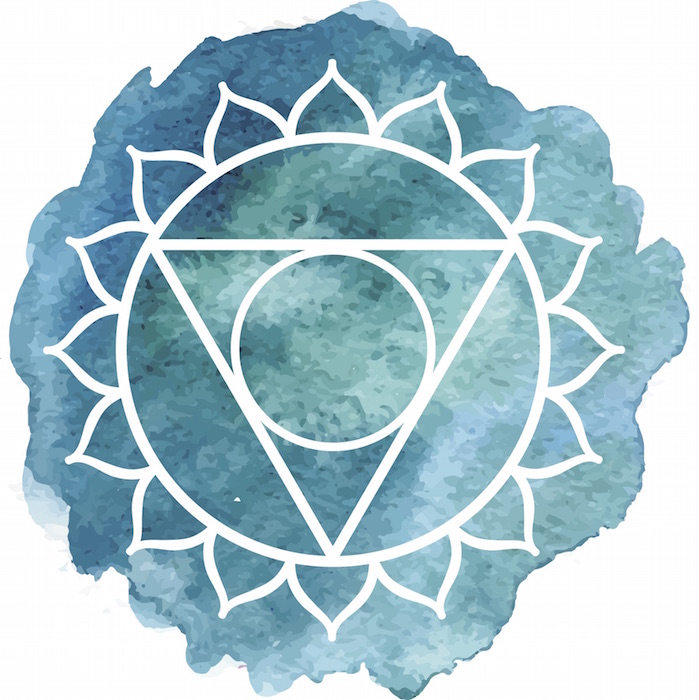
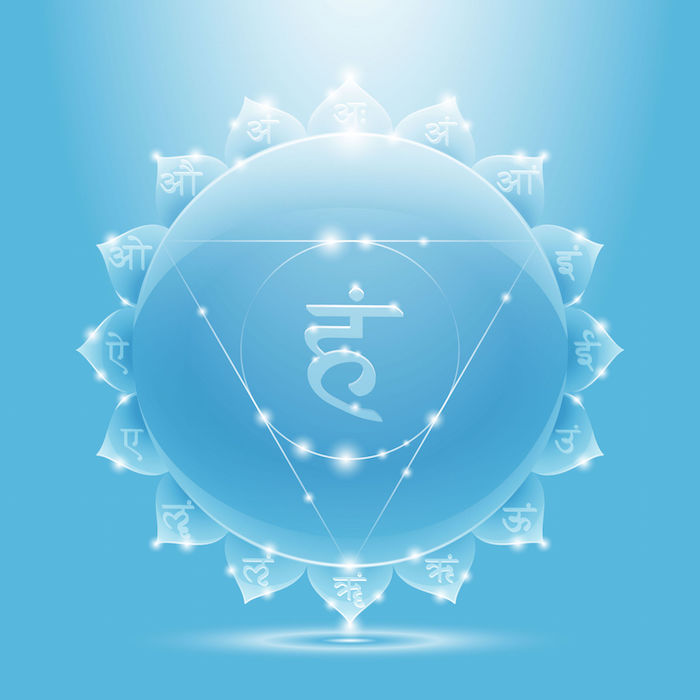
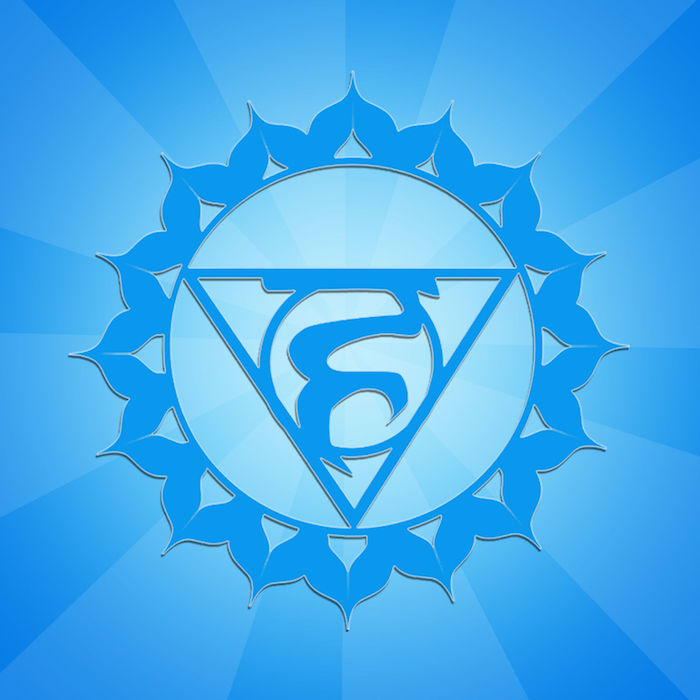
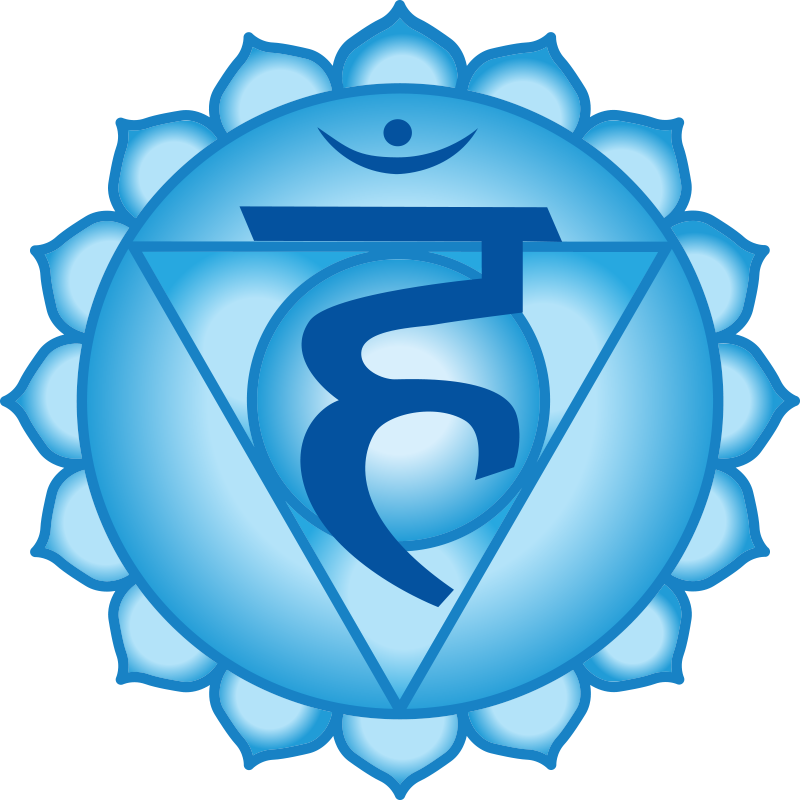
The crescent-shaped throat chakra image, imbedded in a white (or sometimes light blue) circle, is inspired by the moon, purity, and cosmic sound and is surrounded by lotus petals. One explanation of the significance of these elements is their relationship to the ultimate goal of meditation — to blend with Akasha to achieve higher consciousness. The transcendence of human consciousness is itself an act of purification. In order to achieve that level of purification, the throat chakra must be open and balanced.

The sixteen lotus petals surrounding the throat chakra symbol are often inscribed with Sanskrit letters; namely, the vowels. Why vowels? They represent the breathy, airy elements of words — just like ether is the airy element of space. The inverted triangle of the throat chakra symbol is also symbolic of spiritual growth. The downward position is affiliated with the gathering of information, while the widening upward sides represent the blossoming knowledge leading to Enlightenment.

Color:

The Throat chakra is most commonly represented with the color blue turquoise or aquamarine blue. The auric color of Throat chakra energy can also be seen as a smoky purple or turquoise. In our color spectrum, Blue is the first of the three primary colors, connecting us with the Divine and it is also the color associated with Heaven. Blue energy is pure, soothing, healing & is also at the cooler end of the spectrum, allowing us to take time to be still.

Mantra:

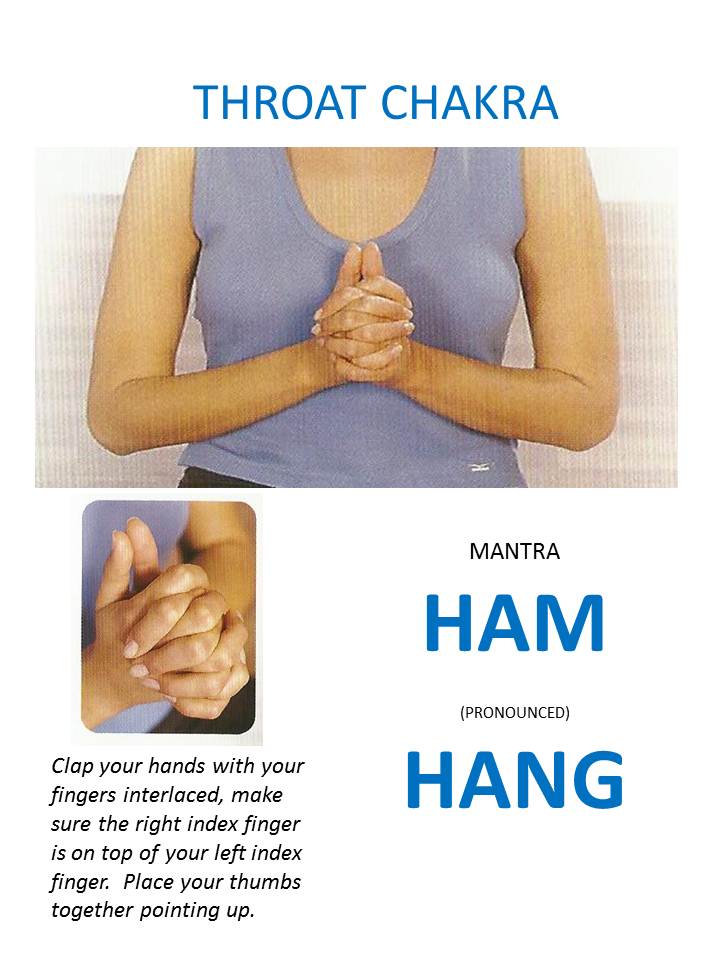
The Bija Mantra is the syllable हं haṃ and is written in white upon the chakra. Ham is the mantra to unblock the Throat Chakra defining our physical and spiritual voice viz the means of communicating of “who you are” and “what you need and want” from yourself and the universe.

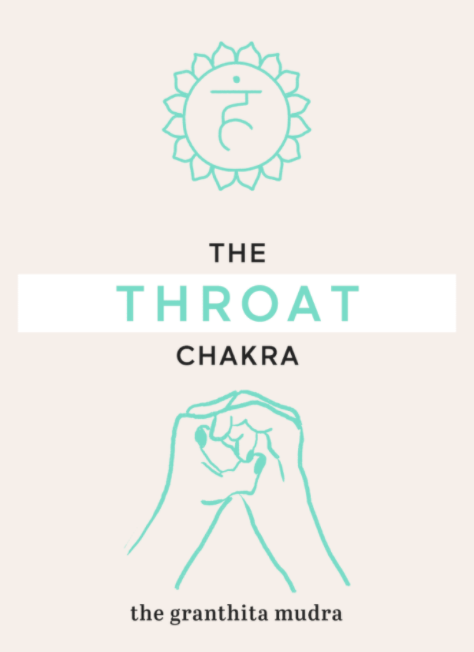
The Granthita Mudra:

Interlace your last three fingers (middle, ring, and pinky) together inside of your hands. Interlock the index fingertips and thumbs to form two rings, and hold this mudra in front of the base of your throat. Concentrate on the Throat Chakra at the base of the throat. Chant the mantra HAM. Do it for 10 minutes and feel the sensation of the awakening of the Vishuddha Chakra.

My dear lovelies! I would love to hear your impression on this chakra and what are you doing to balance your throat chakra? Please comment below at the end of this page.

In the meantime, please subscribe to this blog or follow me if you have a WordPress account. Check out the first to fourth chakras: Root Chakra, Sacral Chakra, Solar Plexus Chakra, and Heart Chakra. Don’t forget to check out my Facebook Page and follow me on Instagram @forevernij. Are you on Bloglovin? Also please subscribe to my YouTube channel. Let’s support each other. Please follow me and comment below with your information so that I can follow you back.

Thank you2

———————————–   Happy Reading ———————————-

Follow my Instagram page on @forevernij

Follow my blog on Bloglovin

Follow my Facebook Page on @forevernij

Subscribe to my YouTube channel

Follow my Twitter account @allaboutme3181
Part 4 of Balancing Chakra Series Through Guided Meditation – Heart Chakra or Anahata


Part 4 of Balancing Chakra Series Through Guided Meditation – Heart Chakra or Anahata

Hi there my beautiful lovelies! Hope you guys are doing well and staying safe. Today, we will work to activate or balance the fourth chakra of the 7 chakra series.

Heart Chakra or Anahata:

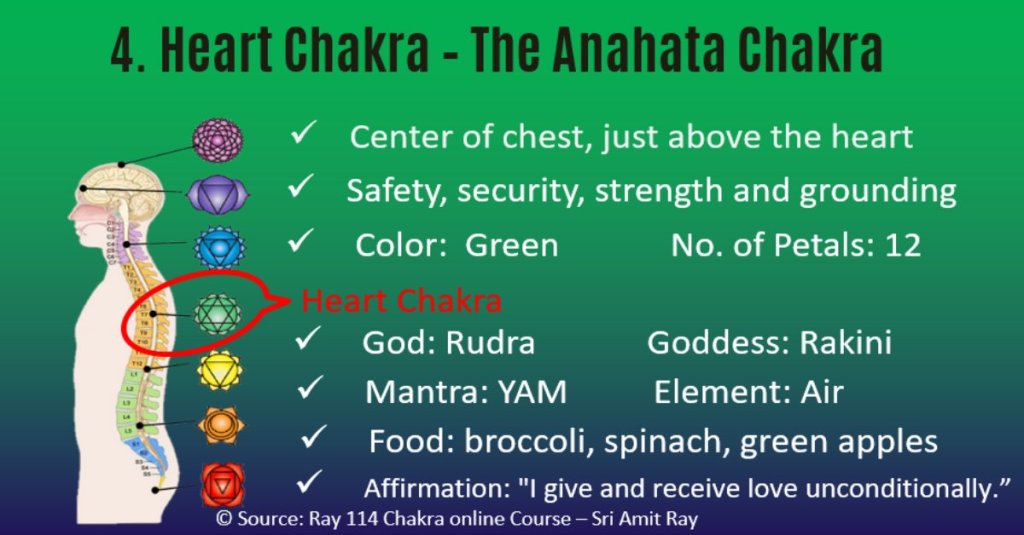
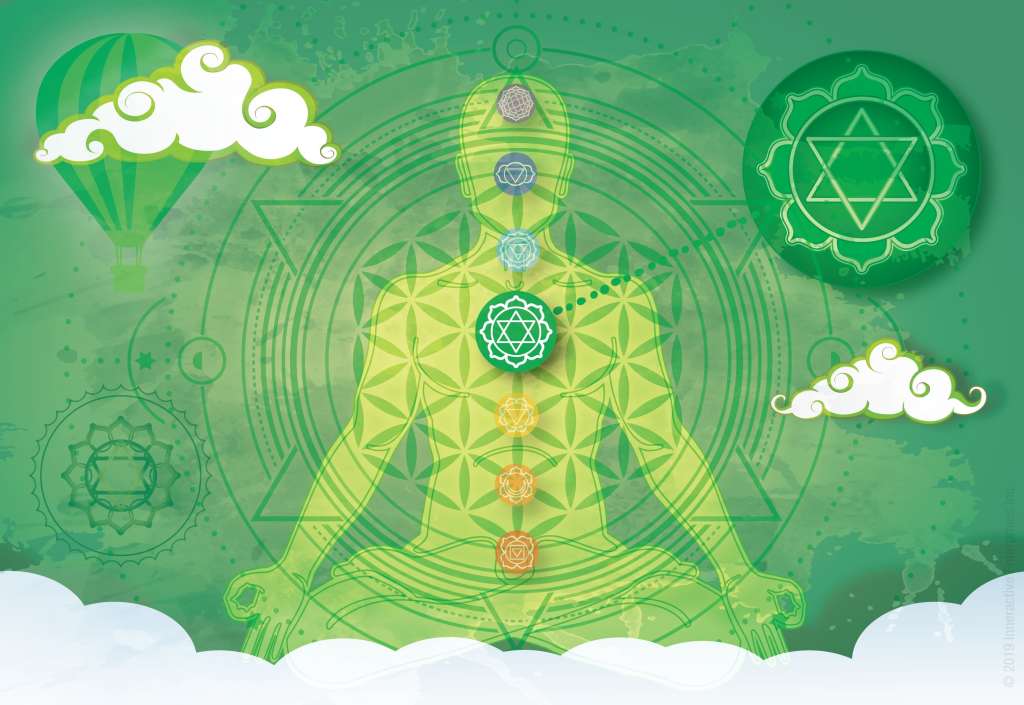
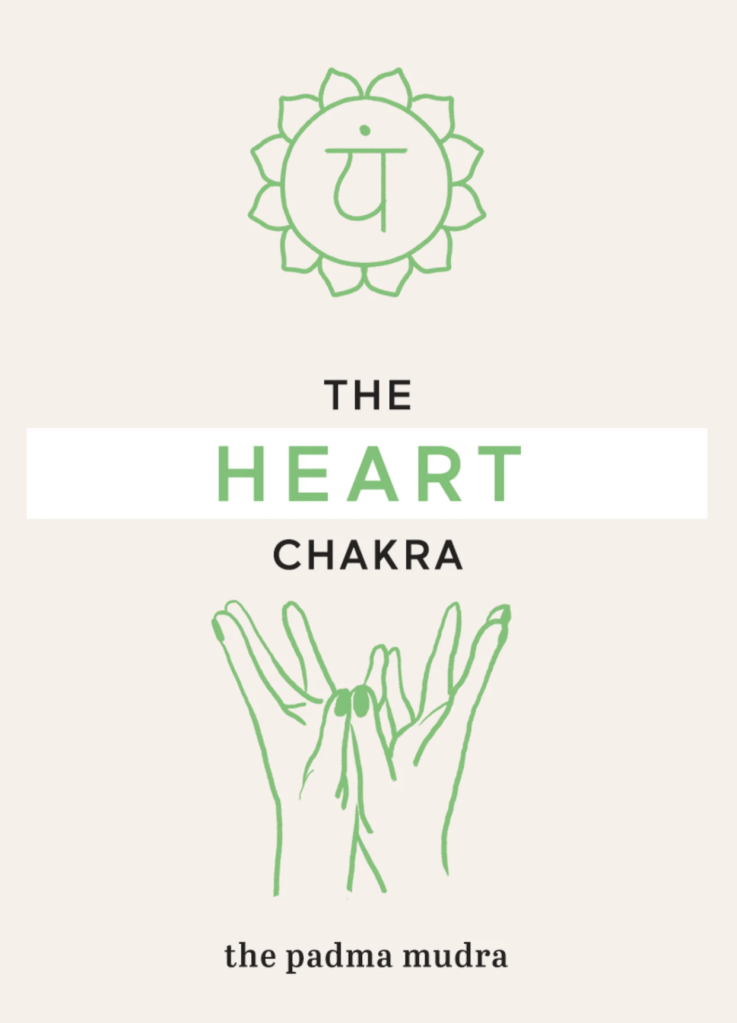
The heart chakra, or Anahata in its original Sanskrit name, colors our life with compassion, love, and beauty. Driven by the principles of transformation and integration, the fourth energy center is said to bridge earthly and spiritual aspirations. Explore what makes the essence of this chakra and how to unravel its powerful energy to enrich your life.

The anahata chakra is associated with unconditional love, compassion, and joy. It is the source of deep and profound truths that cannot be expressed in words. Anahata is a bridge between the lower and upper chakras integrating the manifest with the spiritual. The heart chakra directly affects the heart, lungs, chest, arms, and hands. When misaligned, poor circulation, high or low blood pressure, and other heart and lung conditions can result.

Heart Chakra or Anahata Location:

Heart Chakra or Anahata

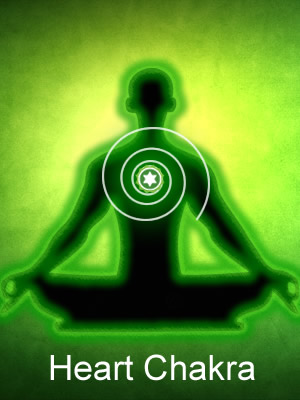
In the center of the chest (the energy center is not located where our actual heart organ lies; rather, the heart chakra is in the center of the chest area); it is the 4th chakra counting from the bottom of the spine in the traditional 7 chakra system.

The Element of Heart Chakra or Anahata:

Anahata is associated with air. If you’ve worked with the other chakras, you can integrate all of the elements to support this work. The first chakra is earth, steady and grounded; the second chakra, water, brings fertile creativity; the third chakra is the “fire in the belly” required to transform that grounded creativity into positive action. And now you have air dispersing and integrating the spiritual understanding of love, compassion, and connection to everything you encounter. Air, like love, is within and all around.

Color of Heart Chakra or Anahata:

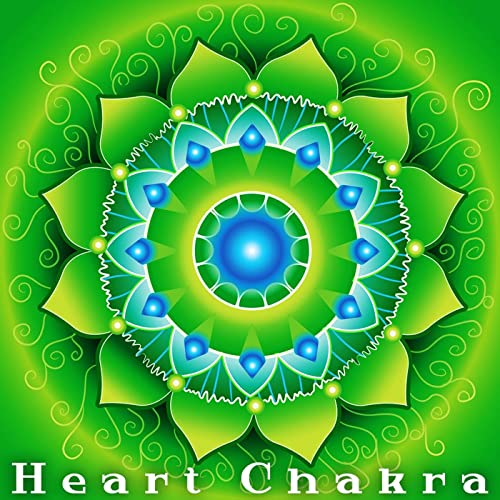
Green (higher energy frequencies can turn to pink). Even though most of us think about the pink color when thinking about the heart, this chakra is traditionally associated with the color green. The auric color of an active fourth chakra can also be seen as a pink or smoky pink, hence our popular representation of love as a pink heart.

Symbol of Heart Chakra or Anahata:

12931901 – the heart chakra

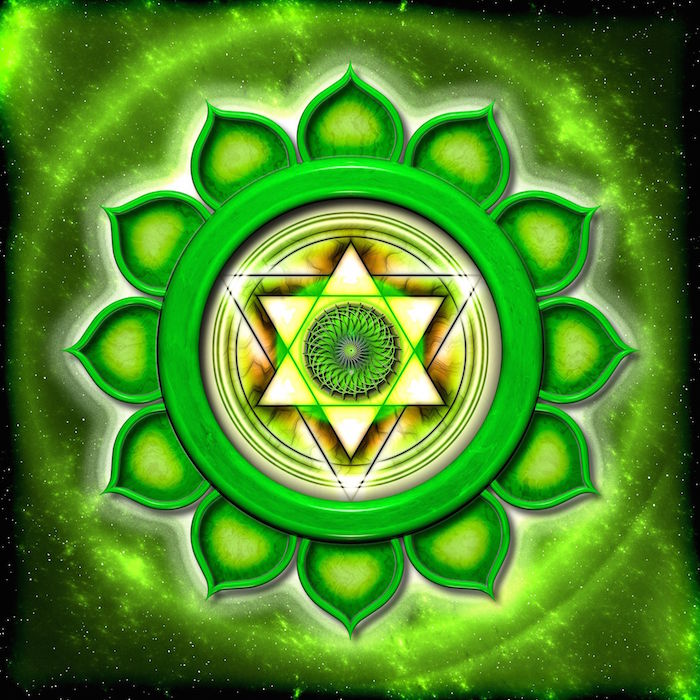
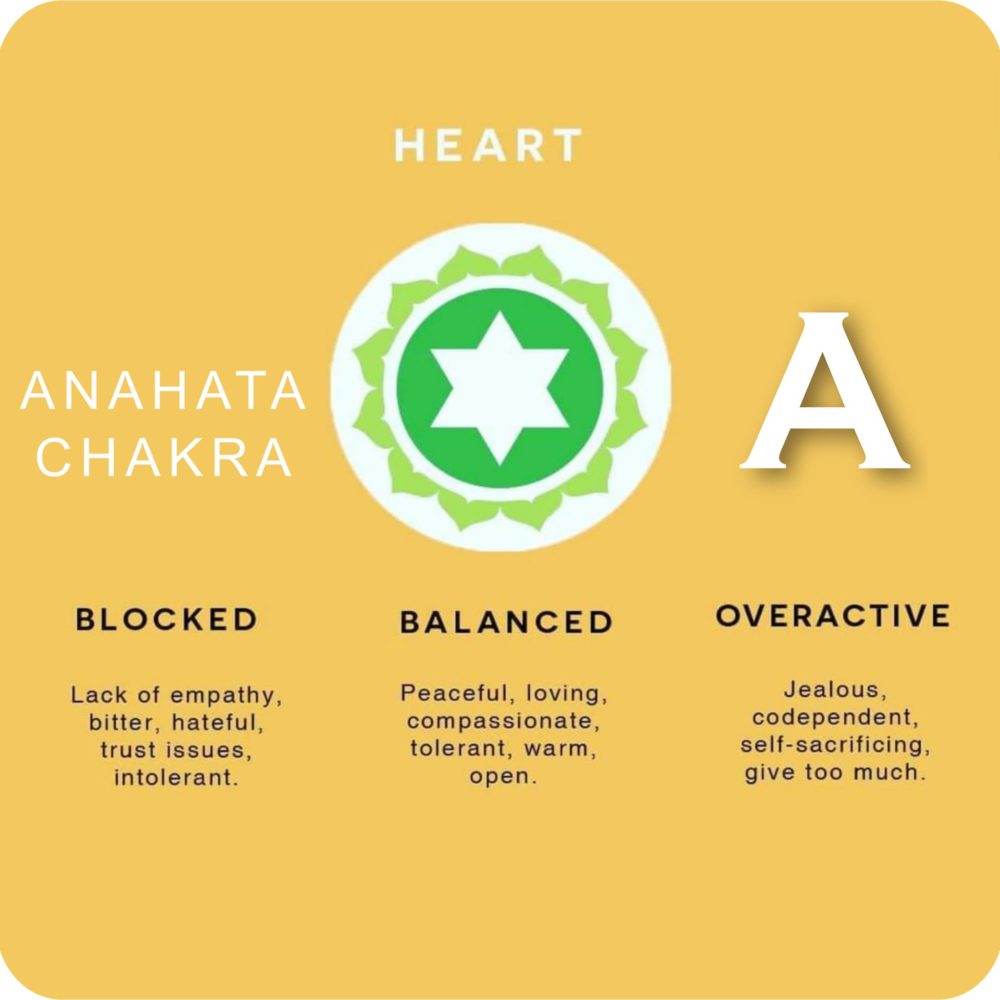
Two intersecting triangles forming a 6-pointed star in a circle with 12 petals. The intersecting triangles represent the air element and its all-encompassing quality. They also symbolize the union of seemingly opposite principles or types of energies, such as male and female, spirit and matter. The star that they form evokes the harmonious joining of forces and highlights the function of the heart chakra as a center of integration and connection. The twelve petals are often depicted with the color red. The

Padma Mudra:

This lotus-inspired mudra that calls forth new possibilities and invites in love is fitting for the heart chakra. Lotus symbolism and imagery is common throughout Hinduism, Sikhism, Jainism and Buddhism. A lotus flower takes root down in the muck and mud and rises up through the water to blossom unscathed at the water’s surface. You can think of the path of the lotus as the journey to enlightenment. It is the journey from the darkness to the light.

To practice padma mudra, bring your hands to anjali mudra, or prayer mudra, in front of your heart center with the palms of your hands touching. Keep the heels of your palms touching, your pinky fingers touching and your thumbs touching as you peel the palms of your hands, index, middle and ring fingers away from one another. The three middle fingers of each hand blossom away from one another like a lotus flower in bloom. Hold the mudra for five to ten minutes.

Mantra for Heart Chakra or Anahata:

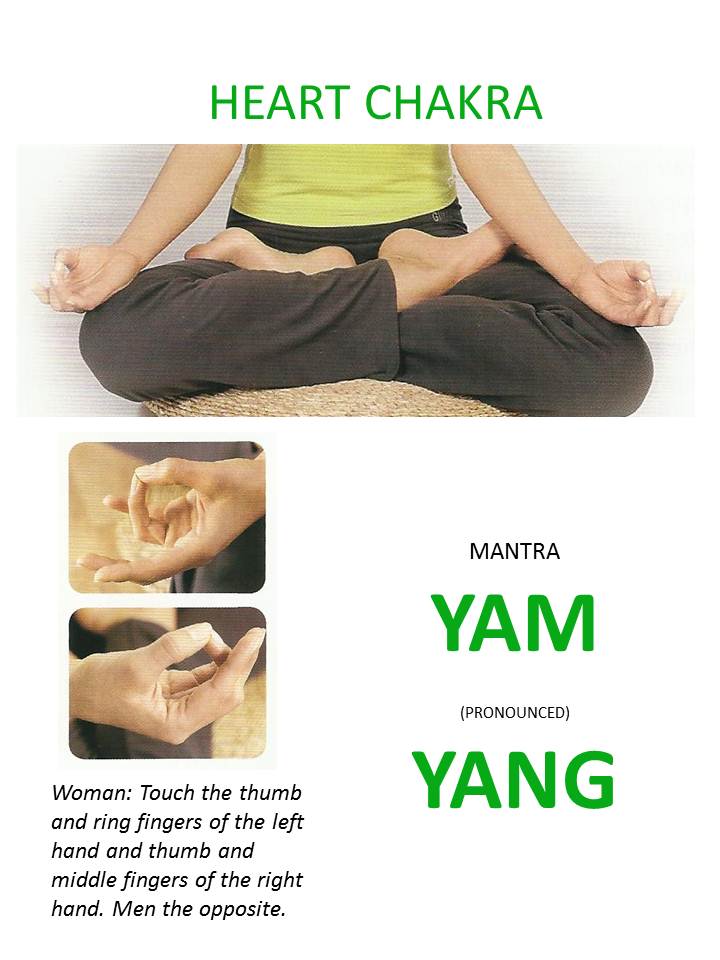
YAM With your palms at your heart, touch the outer edges of both pinky fingers and thumbs together. Keep the heels of the palms pressed together as you blossom open through your hands. Extend through the tips of all 10 fingers.

My dear lovelies! Hope this segment helps you find unconditional love, compassion, and joy. How do you heal and balance your heart chakra. Please live your responds in the comment below.

In the meantime, please subscribe to this blog or follow me if you have wordpress account. This way every time a new post is added you will be notified. Check out my other posts as well (Part 2 Of Balancing Chakra Series Through Guided Meditation – Sacral Chakra Or Svadhisthana; and Part One Of 7 Chakra Series – Root Chakra Or Muladhara). Don’t forget to check out my Facebook Page and follow me on Instagram @forevernij. Are you on Bloglovin? Also please subscribe to my YouTube channel. Let’s support each other. Please follow me and comment below with your information so that I can follow you back.

Thank you2

———————————–   Happy Reading ———————————-

Follow my Instagram page on @forevernij

Follow my blog on Bloglovin

Follow my Facebook Page on @forevernij

Subscribe to my YouTube channel

Follow my Twitter account @allaboutme3181
Part 3 of Balancing Chakra Series Through Guided Meditation – Solar Plexus Chakra or Manipura


Part 3 of Balancing Chakra Series Through Guided Meditation: 

Hi there my beautiful lovelies! Hope you guys are doing well and staying safe. Today, we will try to open up the solar plexus chakra.

Solar Plexus Chakra or Manipura:

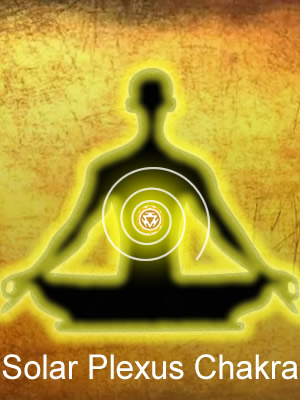
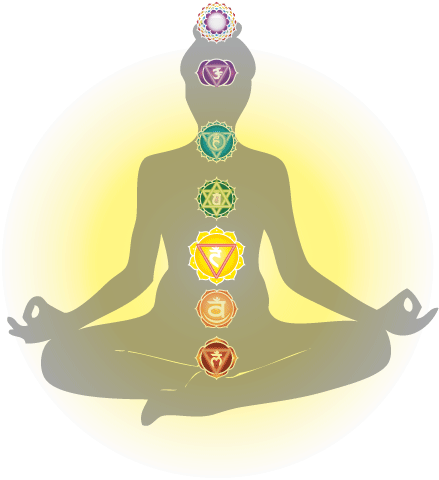
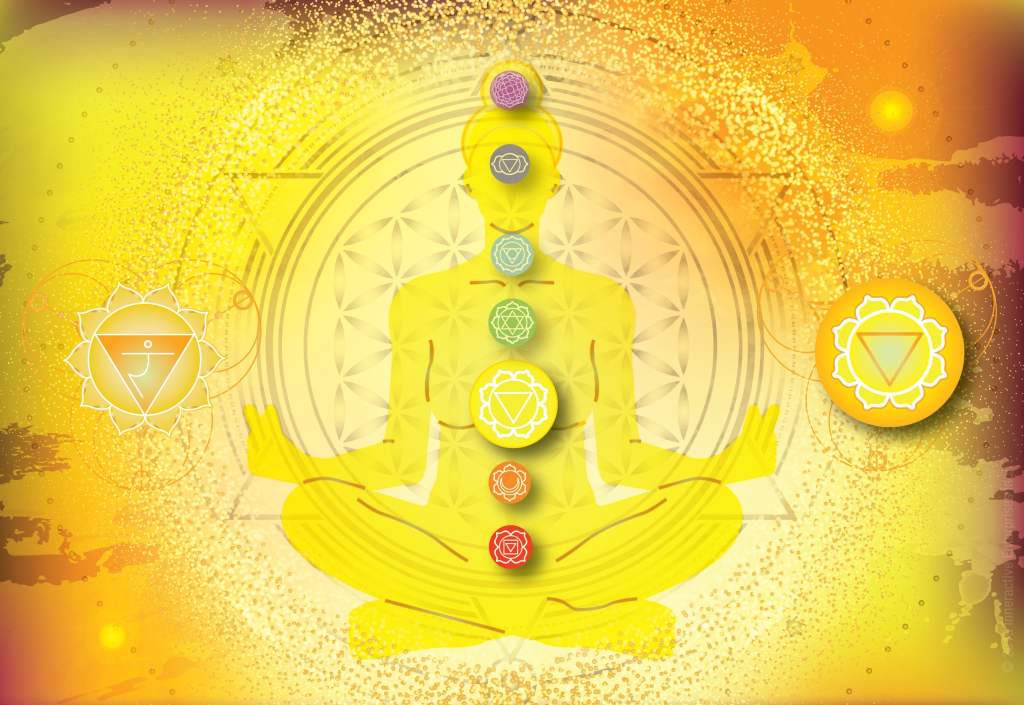
The Solar Plexus, or Manipura, refers to the third chakra. It spins in the area around the abdomen above the belly button up to the breastbone.  Meaning “lustrous gem” in Sanskrit, the Manipura chakra provides a source of personal power and relates to self-esteem, warrior energy, and the power of transformation. This third chakra is the center of willpower. While the Sacral chakra seeks pleasure and enjoyment, the third chakra is all about the perception of who you are. It is the center of your self-esteem, your willpower, self-discipline, as well as warmth in your personality.   When the Solar Plexus chakra or Manipura is open and the energy in this center is balanced, these functions naturally find a clear and effortless outlet. However, in case the flow of energy is disturbed, whether because the Manipura chakra is overactive or blocked, symptoms may range from energetic and emotional to physical.

Location:

The solar plexus chakra or Manipura is located in the solar plexus area (upper part of the belly, where your diaphragm rests); it is the third chakra from the bottom in the traditional system counting 7 chakras. Some traditions place it more loosely in the navel area. Closely connected to the digestive system, especially the gastric and hypogastric plexi, its main function is to help transform matter into energy to fuel your body. It governs metabolism and is commonly associated with the pancreas.

Element:

Solar plexus chakra or Manipura is associated with the element of fire. However, some contemporary healing movements connect it to the element of air. It has a connection with the sun, heat, the energy of light, all forms of power.

Color: 

Yellow is the color for this chakra, so use it in during your relaxation or meditation. A nice and powerful visualization is making your center radiate like the sun. Higher frequencies of this chakra can turn into golden yellow. Additionally, since it’s associated with the element of fire, it is also sometimes depicted with yellowish red.

Symbol:

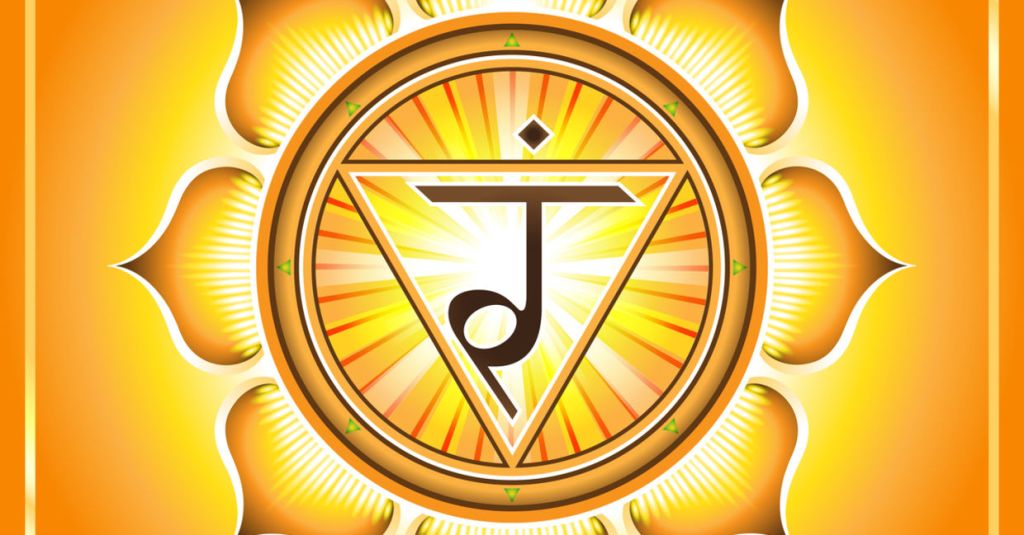
the solar plexus chakra

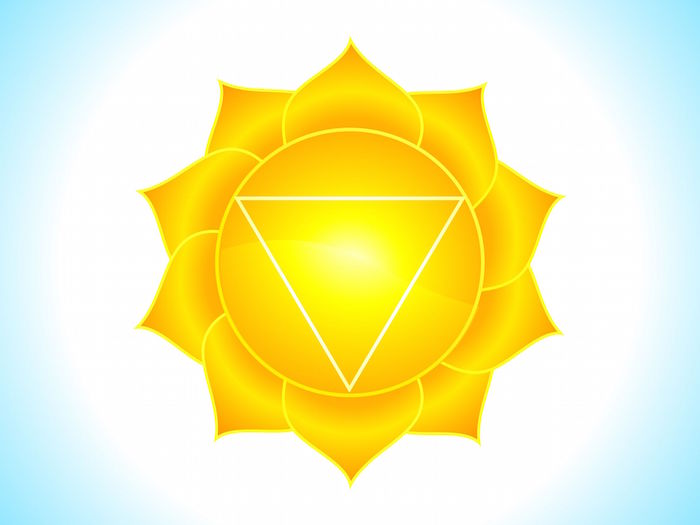
The symbol for the solar plexus or Manipura chakra is a circle with 10 petals in which is inscribed a downward-pointing triangle. The inverted triangle represents the fire element and the transformative power of this energy center. Fire turns matter into energy that can be used to propel, move forward. The ten petals are often represented with the color blue, like the blue color of the flame.

10037119 – detailed solar plexus chakra vector illustration

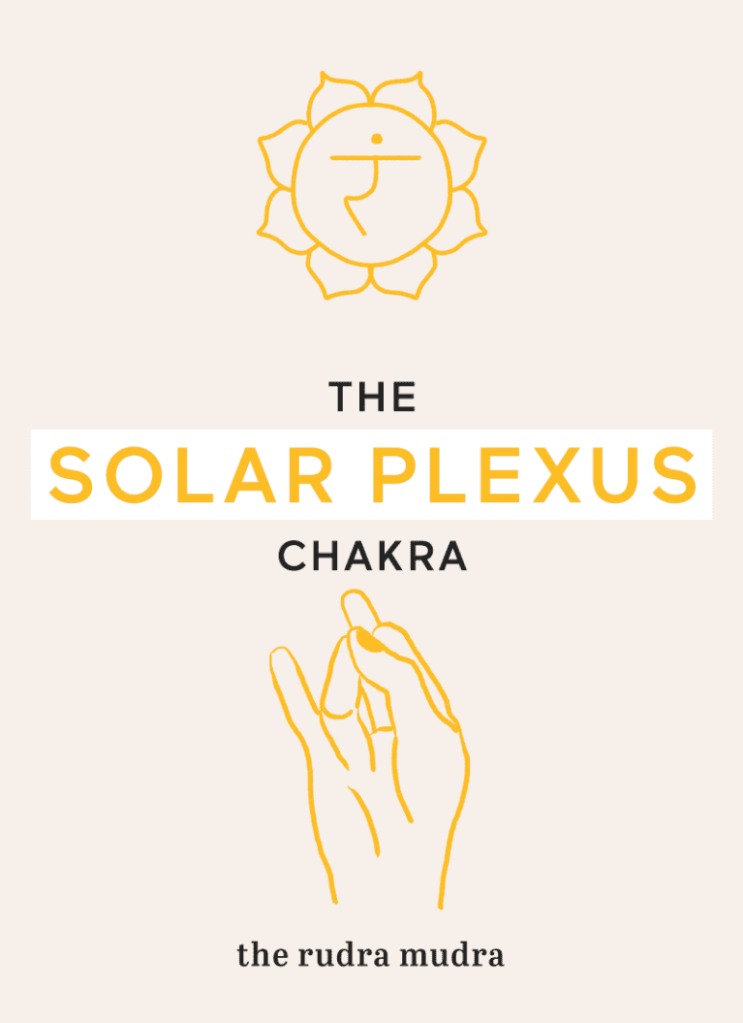
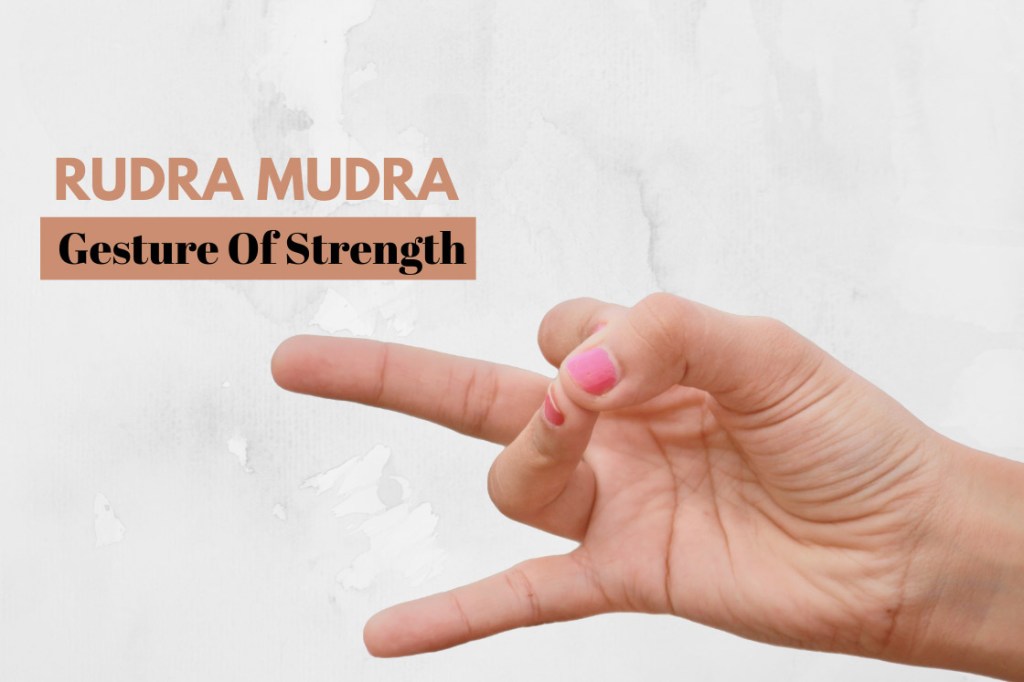
Mudra for Third Chakra – Rudra Mudra: 

Rudra Mudra is a powerful healing mudra that gives a lot of energy to the body. Rudra mudra constructs by a connection of the thumb (fire element) index finger (air element) and ring finger (earth element). This connection leads to the powerful combination of fire, air, and earth elements in our bodies. Thus, this mudra keeps us mentally fit and physically fit.   First, sit in any comfortable yoga asana, such as Padmasana (lotus position) or Vajrayana (thunderbolt pose). If you are not comfortable to sit, you can practice it standing. Now, close your eyes and focus on the ‘in and out’ movement of the breath. This will help you generate awareness. Next, fold your index and ring fingers towards the thumb. Now touch the tips of index fingers and ring fingers with the thumb. Leave the remaining two fingers extended as much as possible. Do this with both hands. Now, without disturbing the posture of fingers, place both your hands on upper thighs.

Yoga Poses for Solar Plexus Chakra or Manipura:

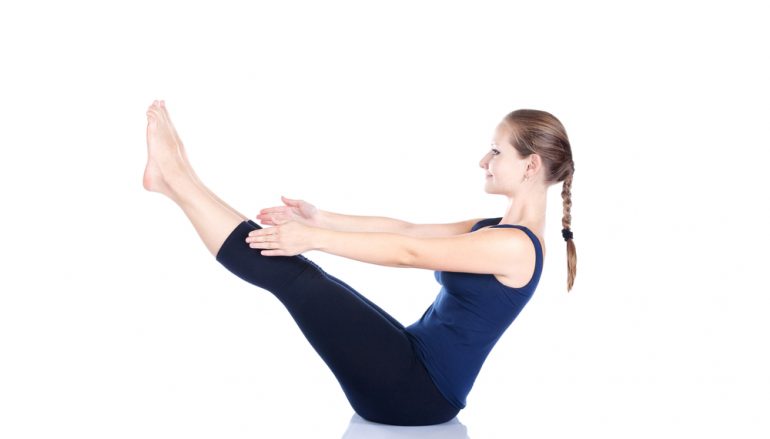
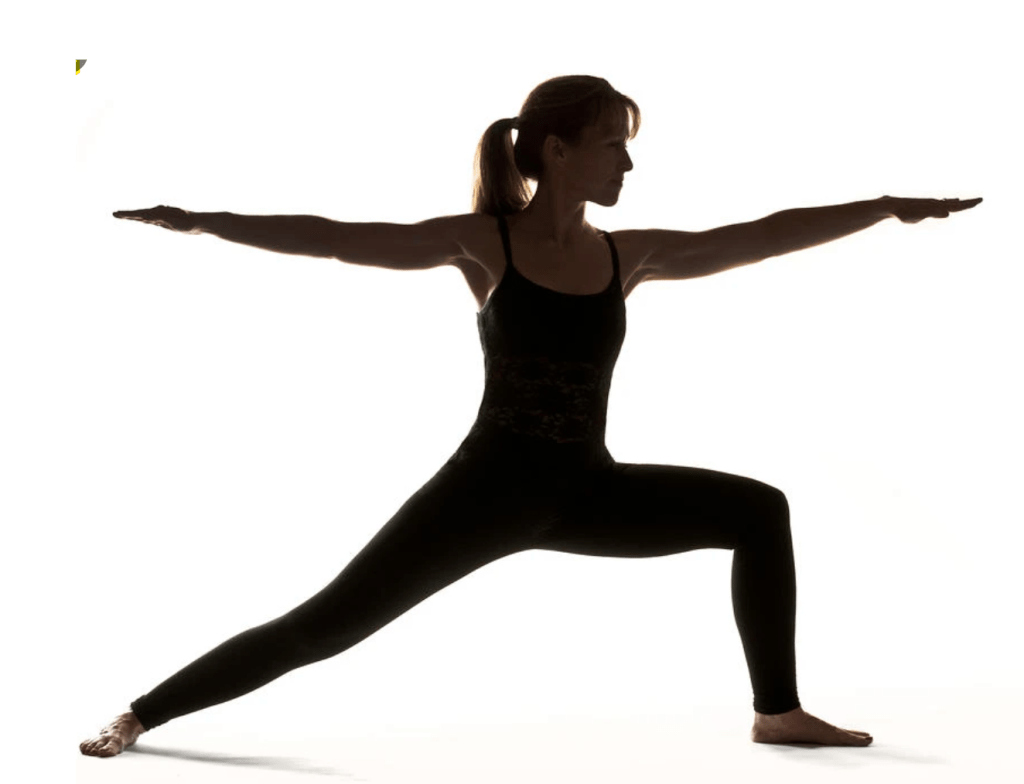
Practicing yoga postures with mindful breathing helps release tension in the solar plexus, physically, mentally, and emotionally. The warrior poses build confidence and align the third chakra. Sun salutations warm up the body and connect with the fiery energy of the sun. Boat pose is another excellent posture for strengthening the abdominal muscles, balancing digestion, and bringing a sense of personal empowerment.

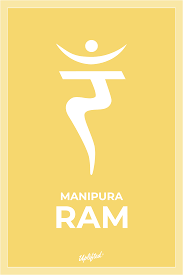
Mantra – RAM:

Singing mantras or sound vibrations to open solar plexus mantra is RAM. RAM is the vedic bija mantra. By chanting RAM like you would OM, but more continuously, works on the same vibrational frequency.

My dear lovelies! Hope this post helps you open up and activate your solar plexus chakra or Manipura. What do you do to find empowerment? Please leave your response and any suggestions in the comment below.

In the meantime, please subscribe to this blog or follow me if you have wordpress account. This way every time a new post is added you will be notified. Check out my other posts as well (Part 2 Of Balancing Chakra Series Through Guided Meditation – Sacral Chakra Or Svadhisthana; and Part One Of 7 Chakra Series – Root Chakra Or Muladhara). Don’t forget to check out my Facebook Page and follow me on Instagram @forevernij. Are you on Bloglovin? Also please subscribe to my YouTube channel. Let’s support each other. Please follow me and comment below with your information so that I can follow you back.

Thank you2

———————————–   Happy Reading ———————————-

Follow my Instagram page on @forevernij

Follow my blog on Bloglovin

Follow my Facebook Page on @forevernij

Subscribe to my YouTube channel

Follow my Twitter account @allaboutme3181
Part 2 of Balancing Chakra Series Through Guided Meditation – Sacral Chakra or Svadhisthana


Hi there my beautiful lovelies! Hope you guys are doing well and staying safe. Today, I want to share with you the second part of balancing the chakra series through guided meditation. Part Two of Balancing Chakra Series Through Guided Meditation – Sacral Chakra or Svadhisthana

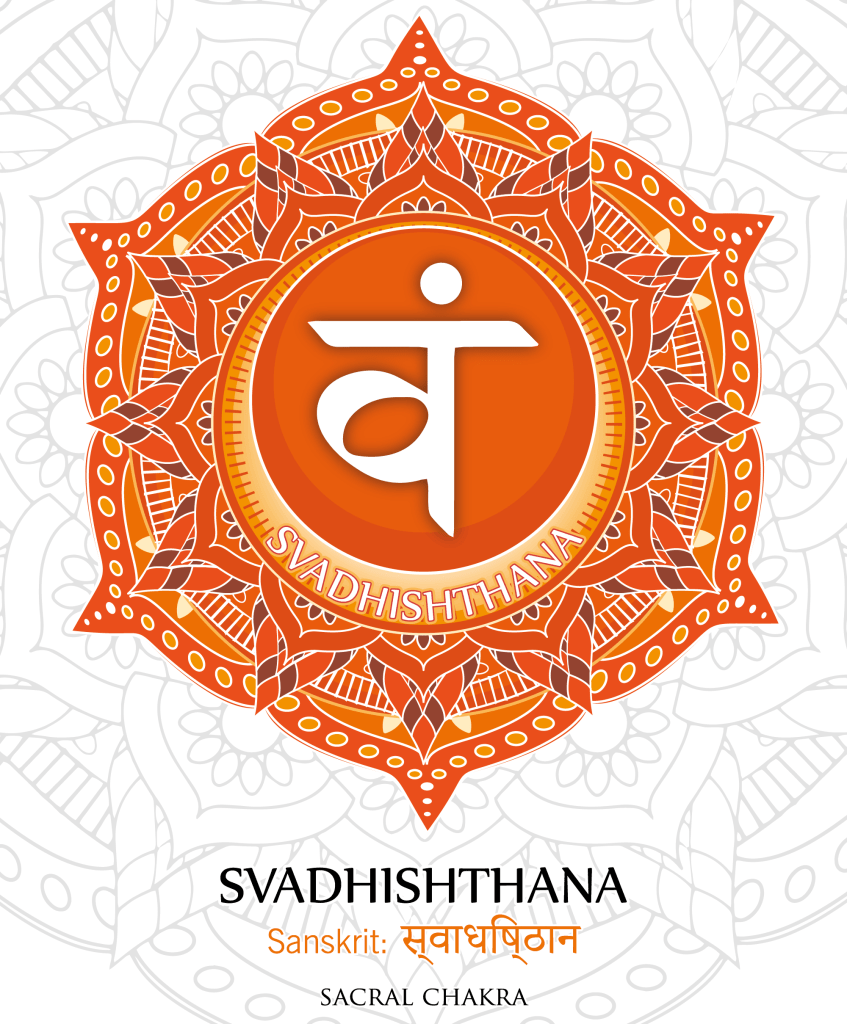
Sacral Chakra or Svadhisthana:

Part Two of Balancing Chakra Series Through Guided Meditation - Sacral Chakra or Svadhisthana

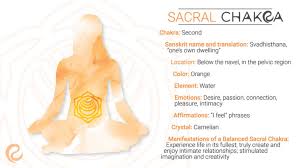
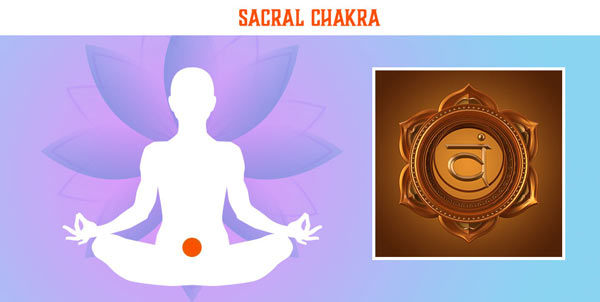
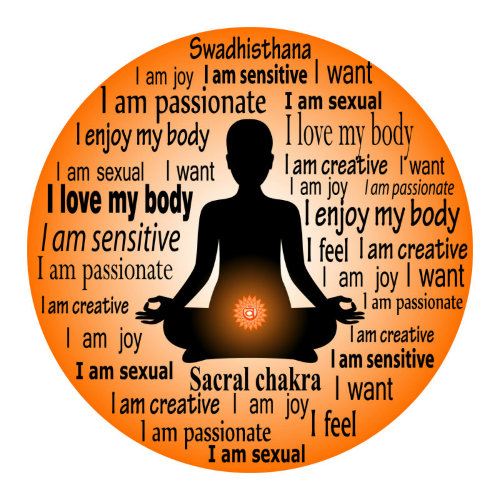
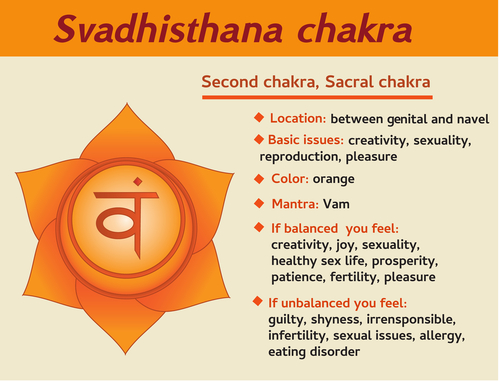
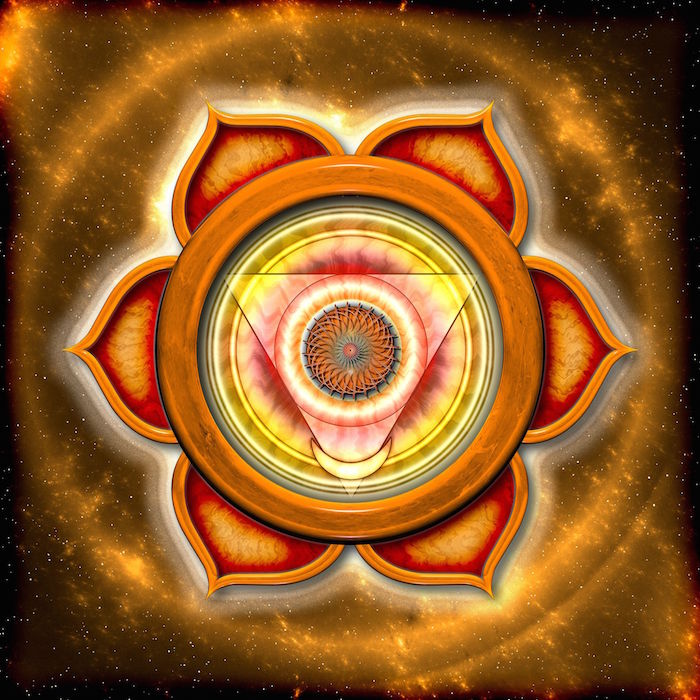
The second chakra or the Sacral Chakra is located just above the pubic bone and is responsible for passion, sexuality, intimacy, money, creativity, and joy. The balance of the Sacral Chakra allows us to improve our relationships with ourselves and others. It is associated with the water element and is characterized by movement and flow in our emotions and thoughts, flow, and flexibility. It also supports personal expansion and the formation of identity through relating to others and to the world. The function of the sacral chakra is directed by the principle of pleasure. It’s the center of our feelings and sensations. It’s particularly active in our sexuality and the expression of our sensual and sexual desires.

Location:

The most common location for the sacral chakra is about three inches below the navel, at the center of your lower belly. In the back, it’s located at the level of the lumbar vertebrae. Other noteworthy locations described in different systems, expand its location to the genital area, especially at the level of ovaries for women and the testicles for men.  It is associated with the lymphatic system.

Color of Sacral Chakra:

The sacral chakra is most commonly represented with the color orange. However, since it’s associated with the element of water, it could also take the color of very light blue or white on more rare occasions. The orange of the second chakra is translucent and has a transparent quality.

Symbol:

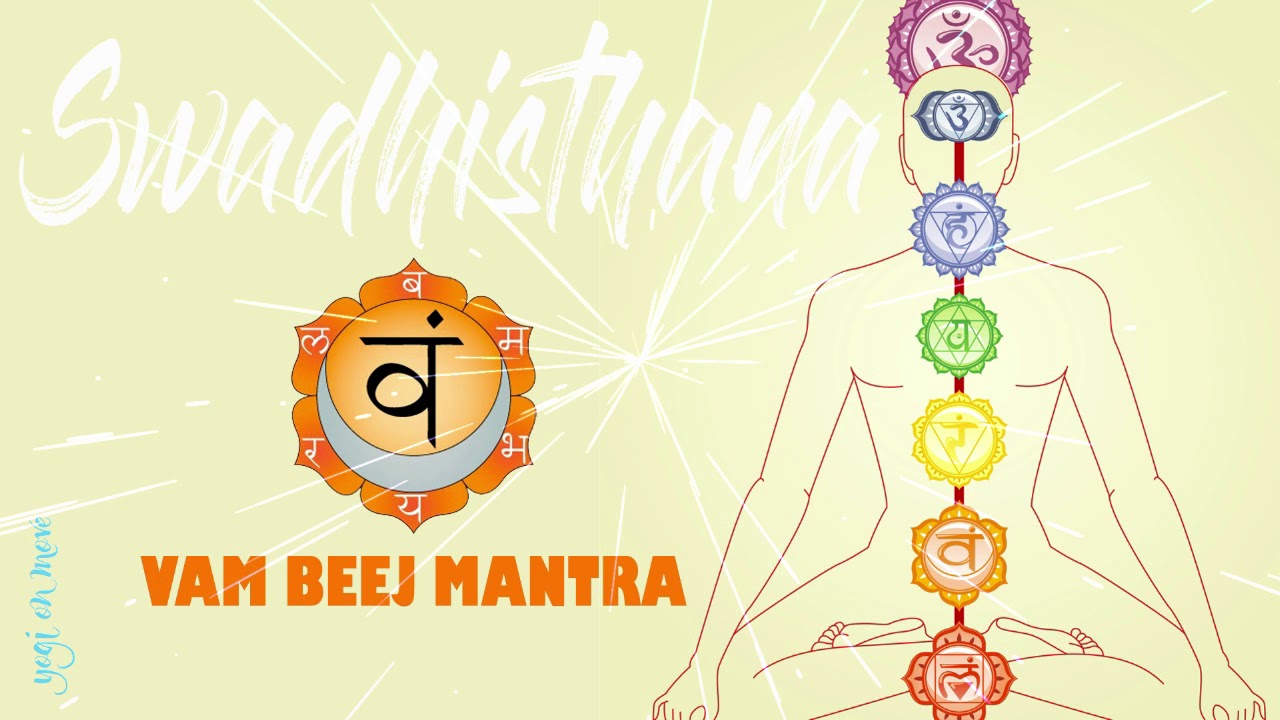
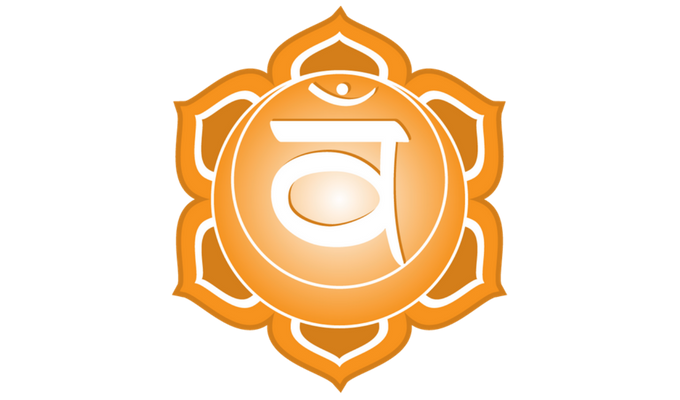
The circle in the symbol of Sacral Chakra represents the elements of water. Typically, the moon crescent is colored in silver and represents the connection of the energy of the moon with water. These symbols point to the close relationship between the phases of the moon and the fluctuations in the water and the emotions.

The Shakti Mudra:

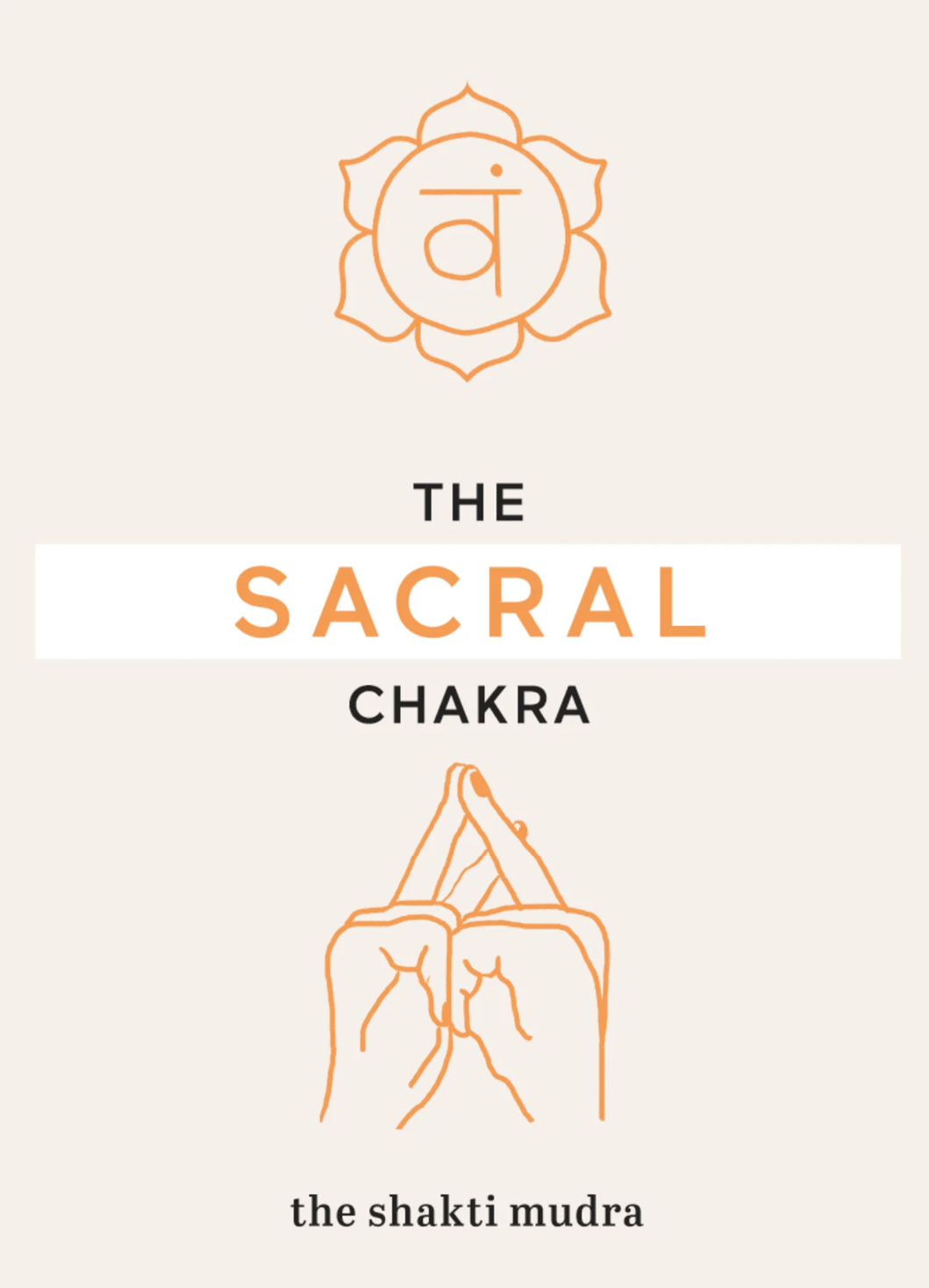
This feminine mudra for the sacral chakra works to harness sexuality and sensuality.  With your palms in front of your chest, press your pinky and ring fingertips together. Fold your thumbs into your palms, inside of your index and middle finger.

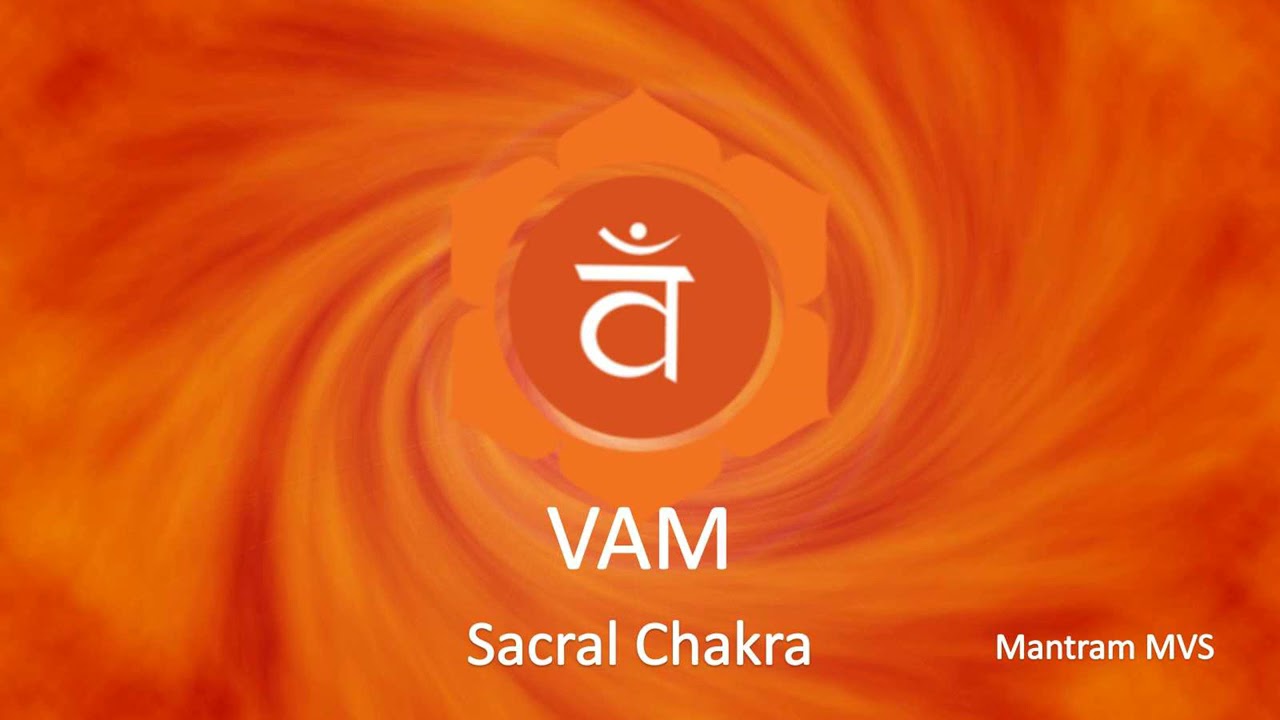
Mantra – VAM:

Vam is the bija, or seed, sound of the sacral chakra. When chanting the mantra, vam, the power of the sound vibrations is believed to cleanse this chakra, which is the energy center of creativity, pleasure, and sexuality. Yogis chant vam to heal the sacral center physically, emotionally, and spiritually. Mantras, particularly single-syllable bija mantras, are usually chanted for their healing sound vibrations, rather than any specific meaning. Chakra mantras like vam are thought to clear the subtle energy pathways in the body in order to create positive change.

My dear lovelies! Hope you enjoyed this post as much as I enjoyed sharing it.

In the meantime, don’t forget to check out my Facebook Page and follow me on Instagram @forevernij and Twitter page @allaboutme3181. Are you on Bloglovin?  Also please subscribe to my YouTube channel. Let’s support each other. Please follow me and comment below with your information so that I can follow you back.

Thank you2

———————————–   Happy Reading ———————————-

Follow my Instagram page on @forevernij

Follow my blog on Bloglovin

Follow my Facebook Page on @forevernij

Subscribe to my YouTube channel

Follow my Twitter account @allaboutme3181