Final Part of The Balancing Chakra Series Through Guided Meditation – Crown Chakra or Sahasrara


Crown Chakra or Sahasrara:
Hi, there my lovelies! Hope you all are doing well and staying safe. Today, I will share with you the final part of the balancing Chakra series through guided meditation. We will open up and balance the crown chakra or Sahasrara.

What is the crown sacra or Sahasrara?
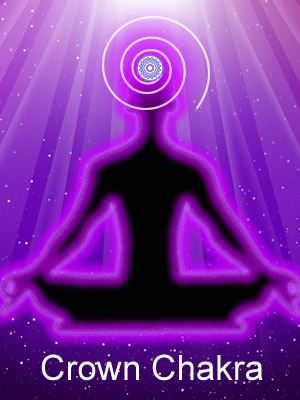
The Crown Chakra is the 7th and final chakra. It is located on the top of the head, an area called the crown. This point is said to be where energy enters the body. If the crown chakra is blocked, the energy can’t get to other chakras, the mind or the body, which sounds awful! The crown chakra pulls all of the other chakras together.
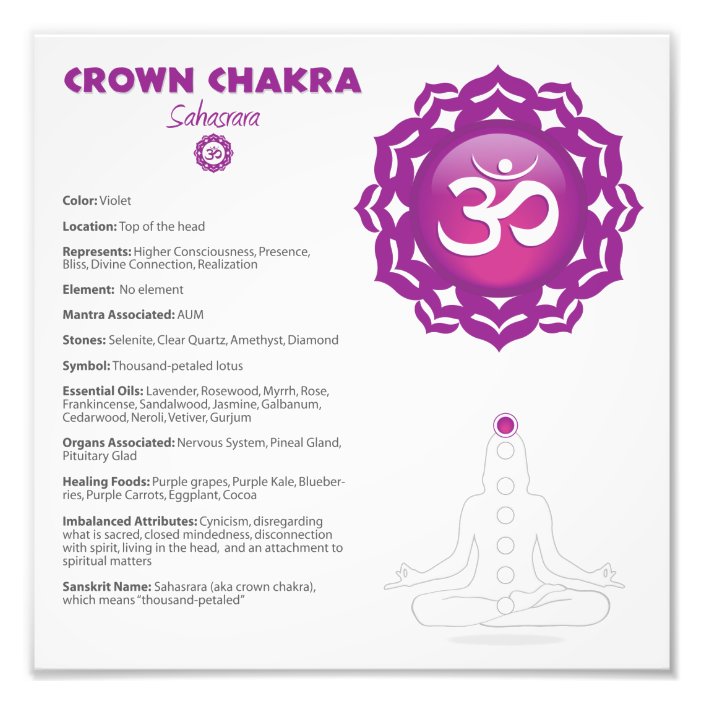
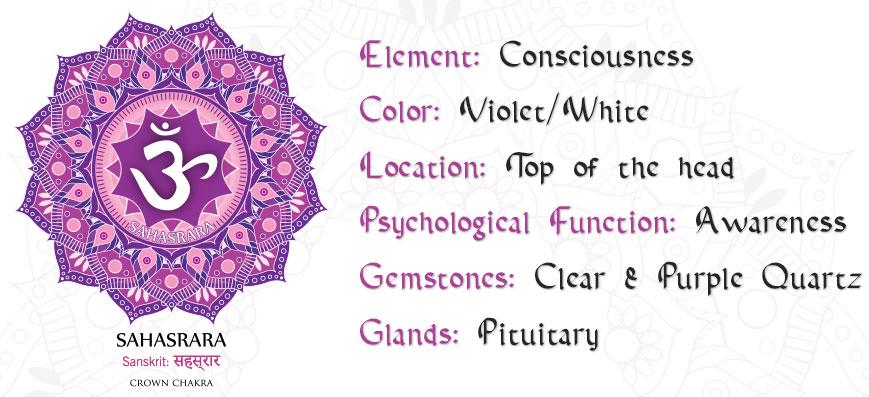
The crown chakra is called the Sahasrara Chakra in Sanskrit, which means the thousand-fold chakra. The lotus symbol for this chakra also has 1000 petals (though my drawing may have slightly fewer). One of the best methods of balancing this spiritual crown chakra is silence. Allowing yourself time and space to think and be really helps the crown chakra. For this reason, meditation is very effective for healing and balancing the crown chakra.

Location of Crown Chakra:
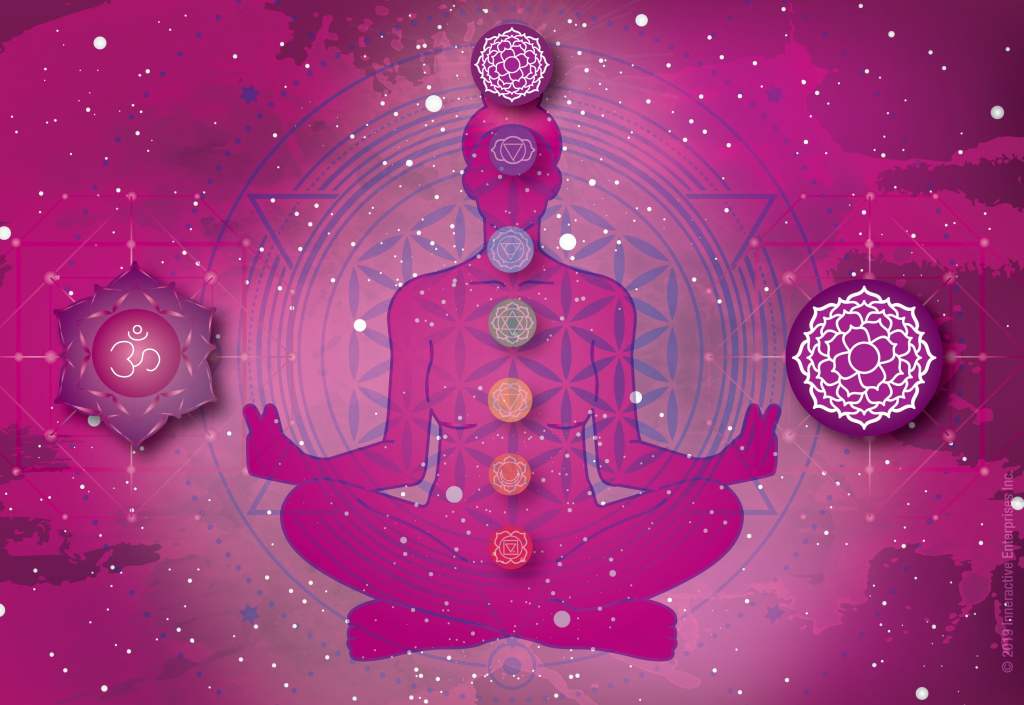
Crown Chakra is located at the crown of the head. The gift of this chakra is experiencing unity and the selfless realization that everything is connected at a fundamental level. The energy of crown chakra allows us to experience mystical oneness with everyone and everything in nature.
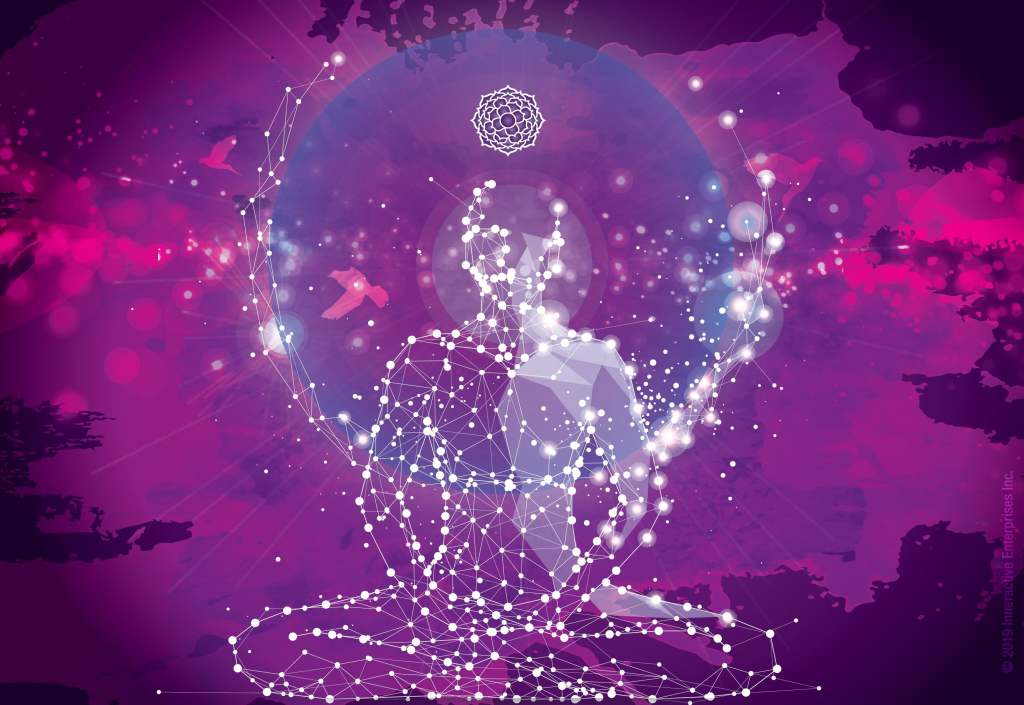
The most commonly accepted location for the crown chakra is at the top of the head or slightly above the head. It sits like a crown, radiating upwards, hence its name. The Crown chakra is primarily associated with the pituitary gland, and secondarily to the pineal and the hypothalamus. The hypothalamus and pituitary gland work in pairs to regulate the endocrine system. Because of its location, the crown chakra is closely associated with the brain and the whole nervous system.
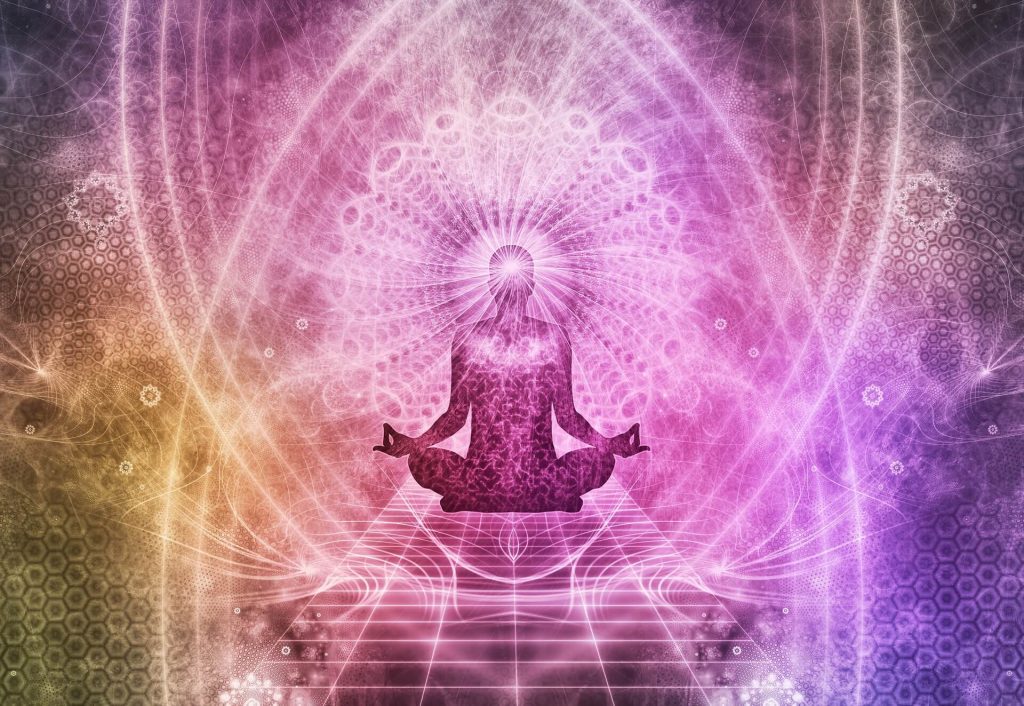
People must not mistake the personal spiritual connection of the seventh chakra with religion. Religion is rooted in group followings, suggesting in numbers we are safe. Spirituality is an individual experience directed towards releasing fears of the physical world and relating to the divine and knowing the divine is in all of us.

Element Associated With Crown Chakra:
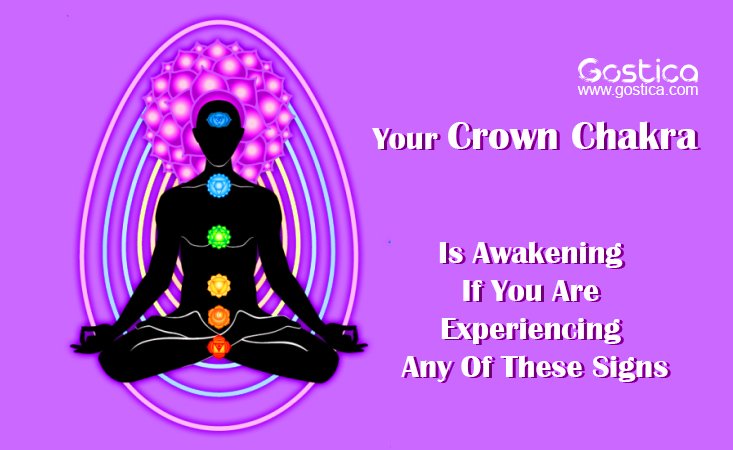
The element associated with Crown Chakra is thought. This energy center is associated with the element of thought, connection to spirit, universal consciousness, enlightenment, wisdom, unity, and self-knowledge.

Crown Chakra Color:
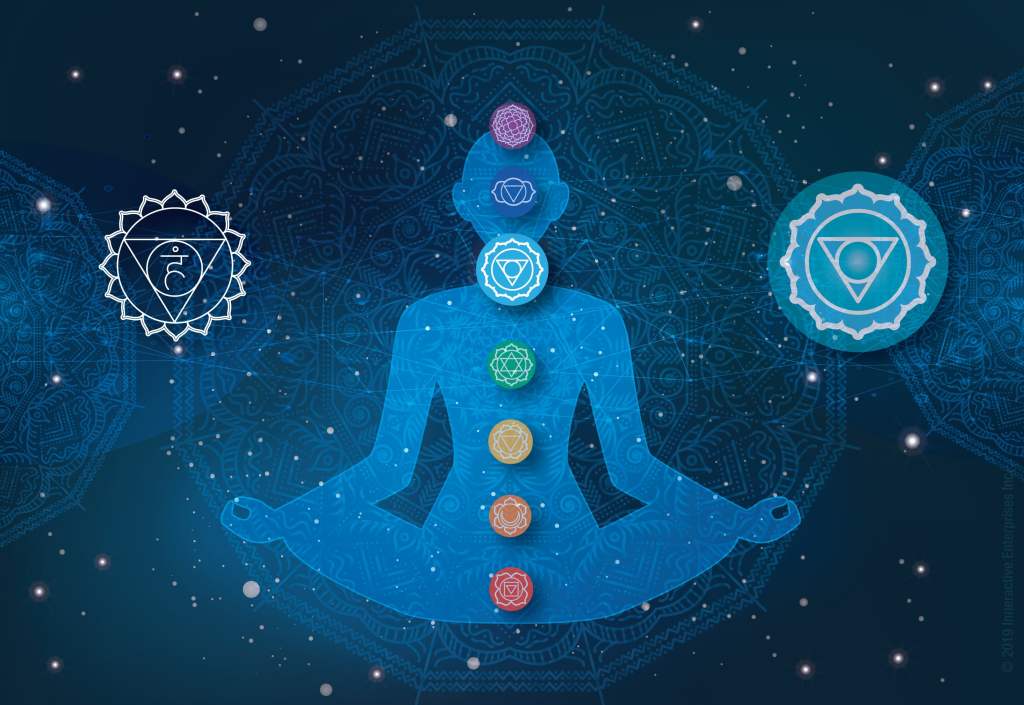
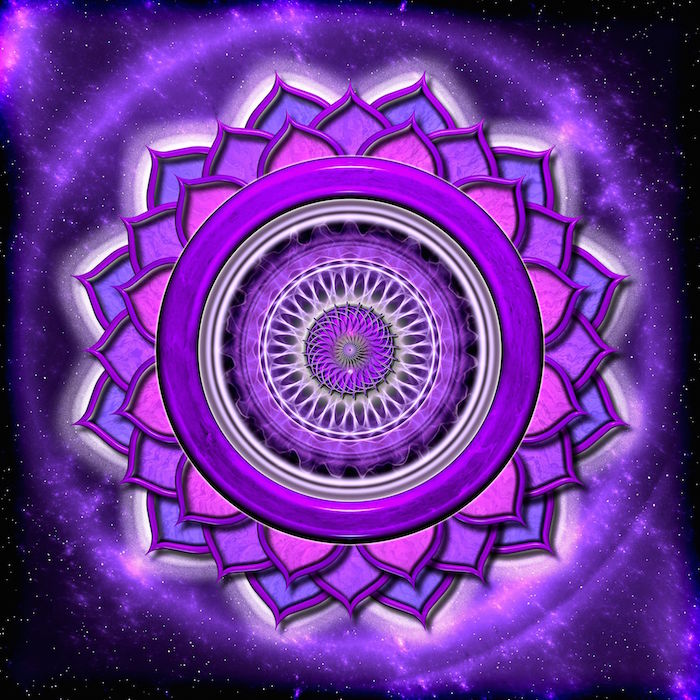
Purple Glowing Nanotechnology, computer generated abstract background

The crown chakra is most commonly represented with the color white, although it can also be depicted as deep purple. The auric color of crown chakra energy can also be seen as gold, white, or clear light.
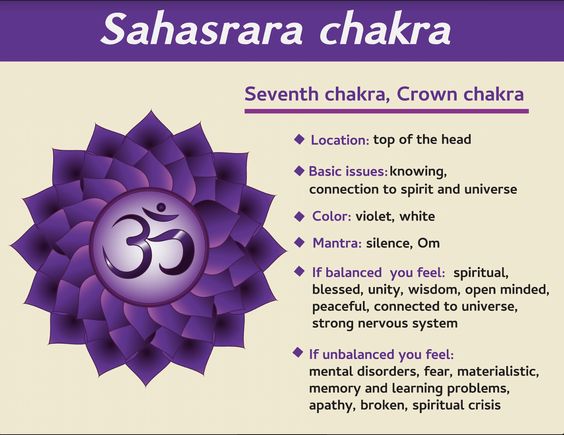
No explanation of the crown chakra symbol meaning would be complete without an exploration of the colors used to depict it — violet and white. Violet is the traditional color associated with spiritualism and intuition, while white is commonly accepted as a hue of purity, forgiveness, and renewal. Taken together, these colors are a good marriage of hues for the energy center that governs your ability to forgive, awaken and hone your intuition, and also cleanse and renew yourself physically, emotionally, and spiritually.

Crown Chakra Symbol:
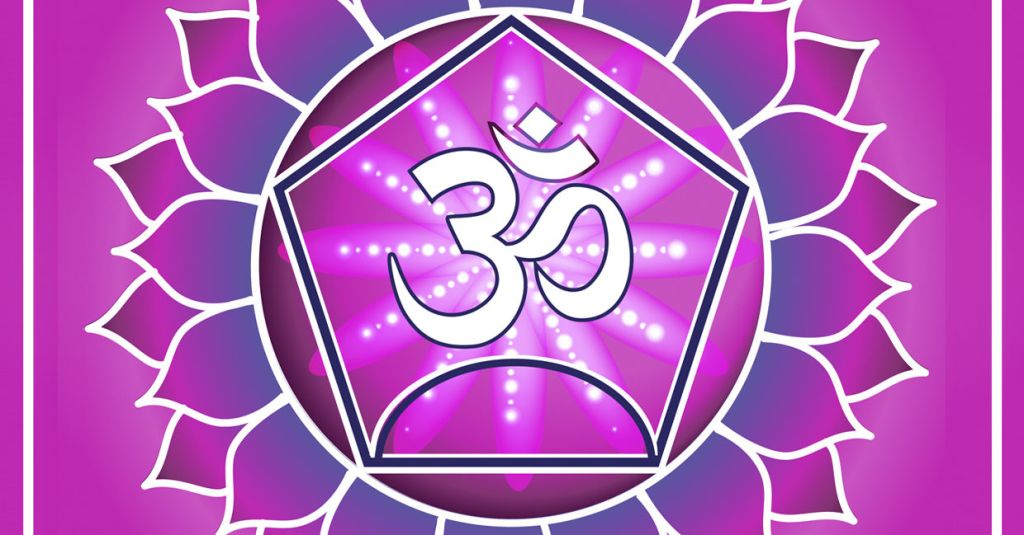
The symbol of the Crown chakra is composed of a circle, a thousand petals. The dominating color of the crown chakra symbol is white. Its petals are multicolor, like a rainbow. The circle is sometimes compared to the symbol of the full moon.
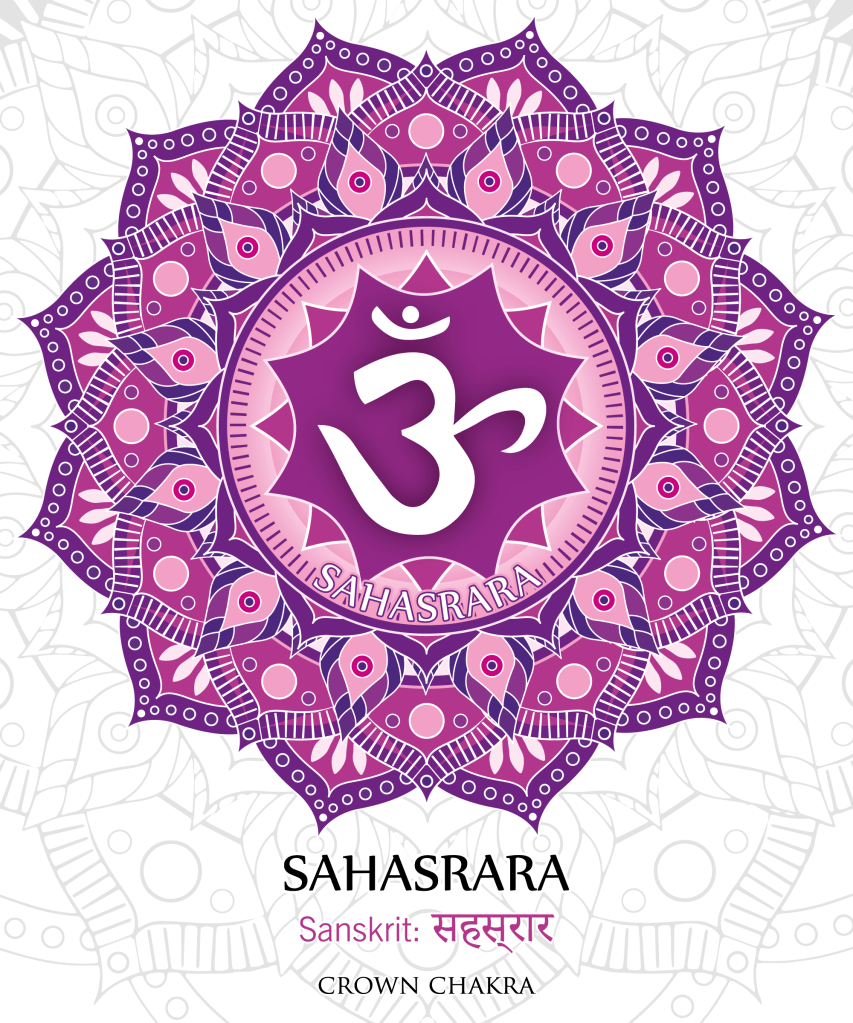
The 1,000-petaled lotus symbol associated with the crown chakra is one that possesses transcendental meaning. Also known as the Sahasrara chakra, the crown chakra is the energy center of spiritualism and universal knowledge that links you to the Divine.

Mudra of Crown Chakra:
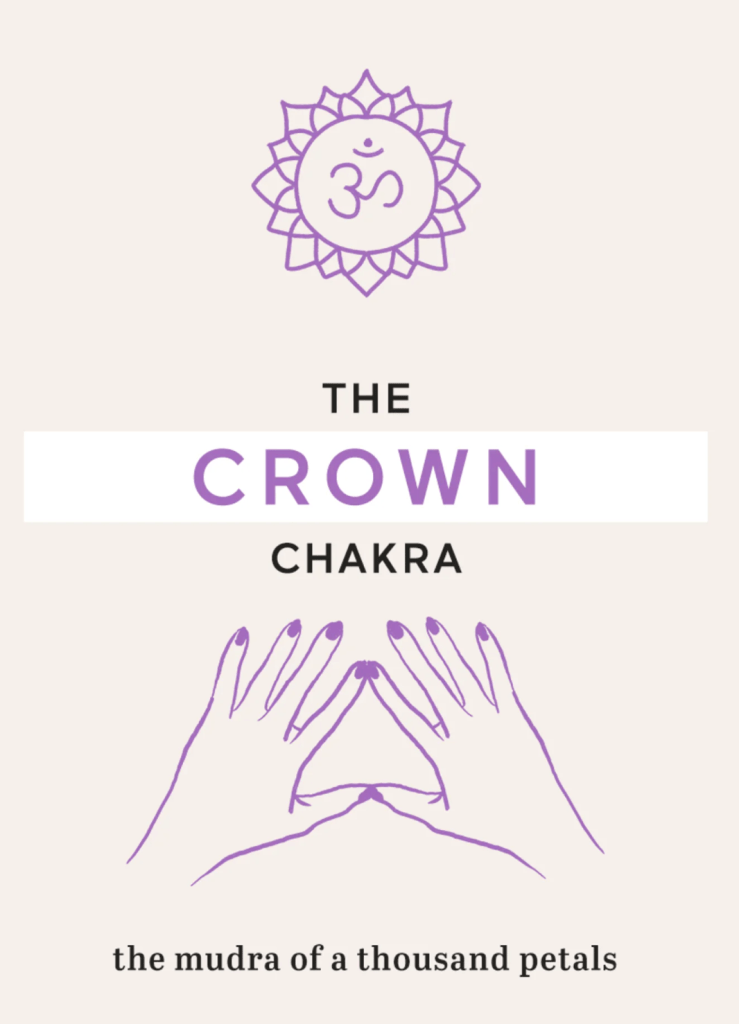
The Mudra of A Thousand Petals is the mudra to open crown chakra. Holding this mudra high above your head can open the gateway to the crown chakra’s domain of universal consciousness, divinity, and transcendence. Place the tips of your index fingers and thumbs together to touch, forming a pyramid shape.

Mantra For Crown Chakra:
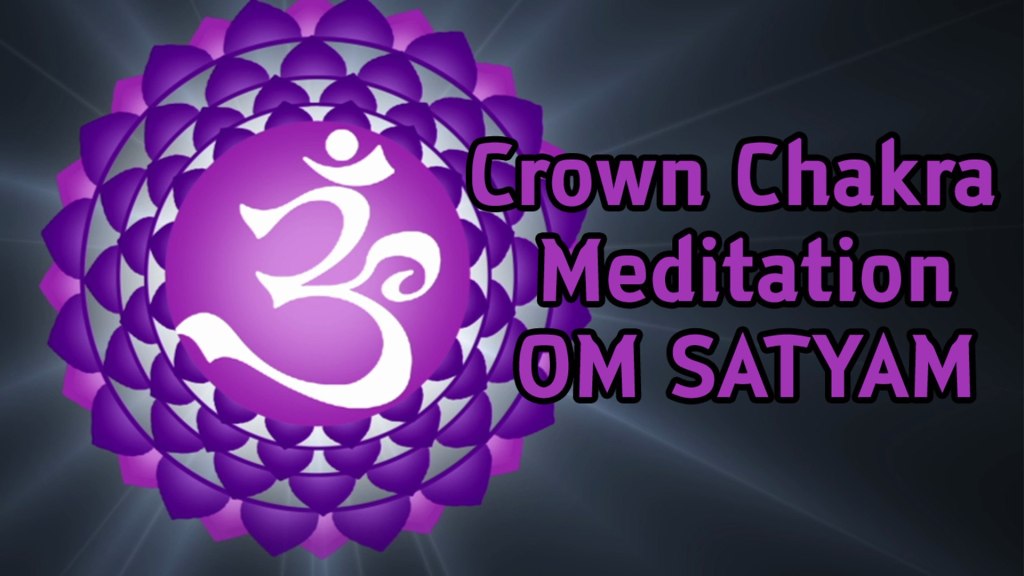
The mantra associated with the crown chakra is the classic AUM, also sometimes written om. This sound is said to be the sound of the universe. It encompasses the beginning, middle, and end of everything in its three sounds (A-U-M).
My dear beautiful lovelies! Which chakra meditation do you like the best? Please leave your comment below.

In the meantime, please subscribe to this blog or follow me if you have a WordPress account.  Don’t forget to check out my Facebook Page and follow me on Instagram @forevernij. Are you on Bloglovin? Also please subscribe to my YouTube channel. Let’s support each other. Please follow me and comment below with your information so that I can follow you back.

Thank you2

———————————–   Happy Reading ———————————-

Follow my Instagram page on @forevernij

Follow my blog on Bloglovin

Follow my Facebook Page on @forevernij

Subscribe to my YouTube channel

Follow my Twitter account @allaboutme3181
Part Six of Balancing Chakra Series Through Guided Meditation – Third Eye Chakra or Ajna


Hi there my beautiful lovelies! Hope you guys are doing well and staying safe. Today, I will share with you information about the Third Eye Chakra or Ajna.

Third Eye Chakra or Ajna

third eye chakra

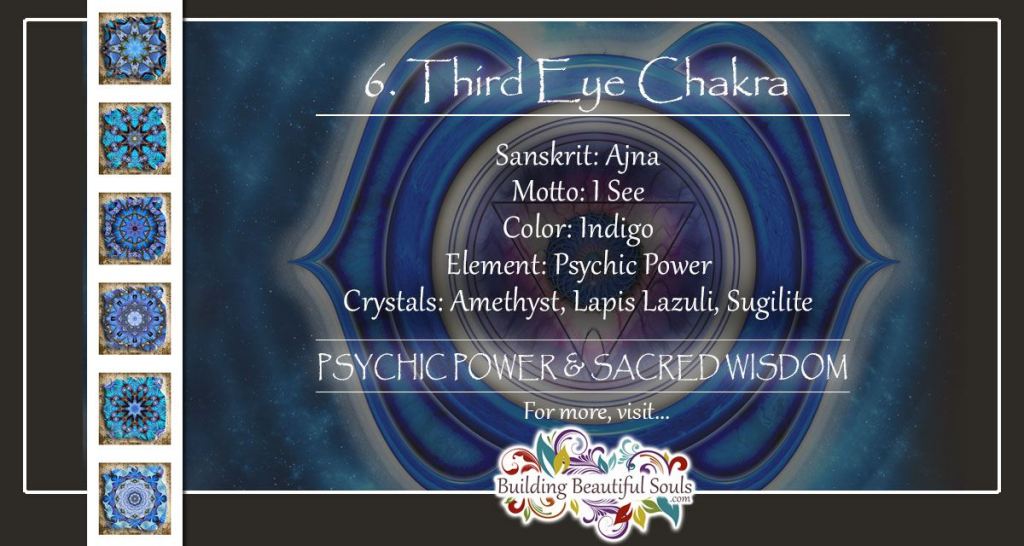
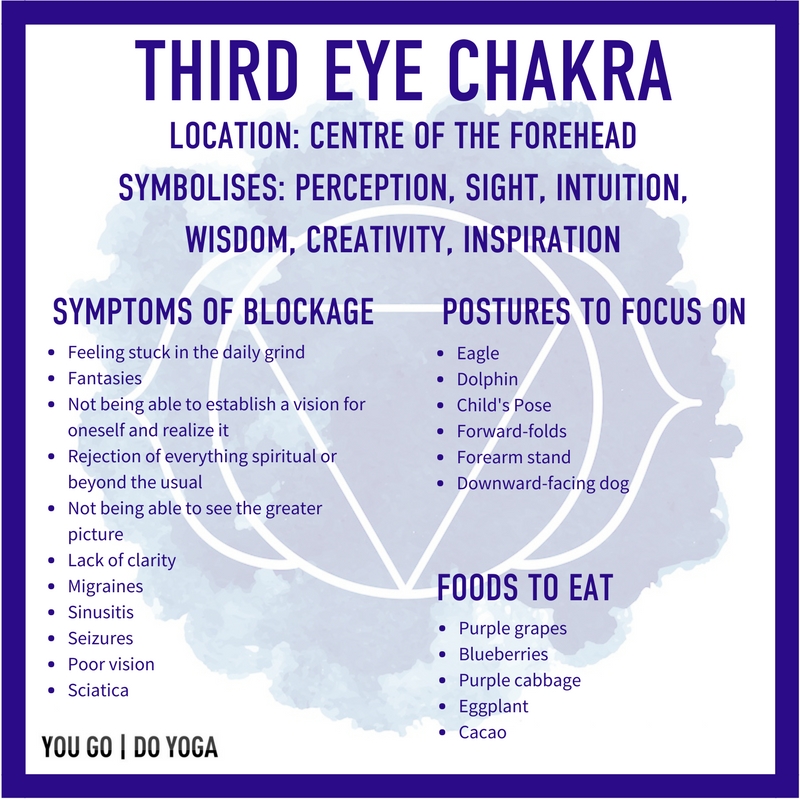
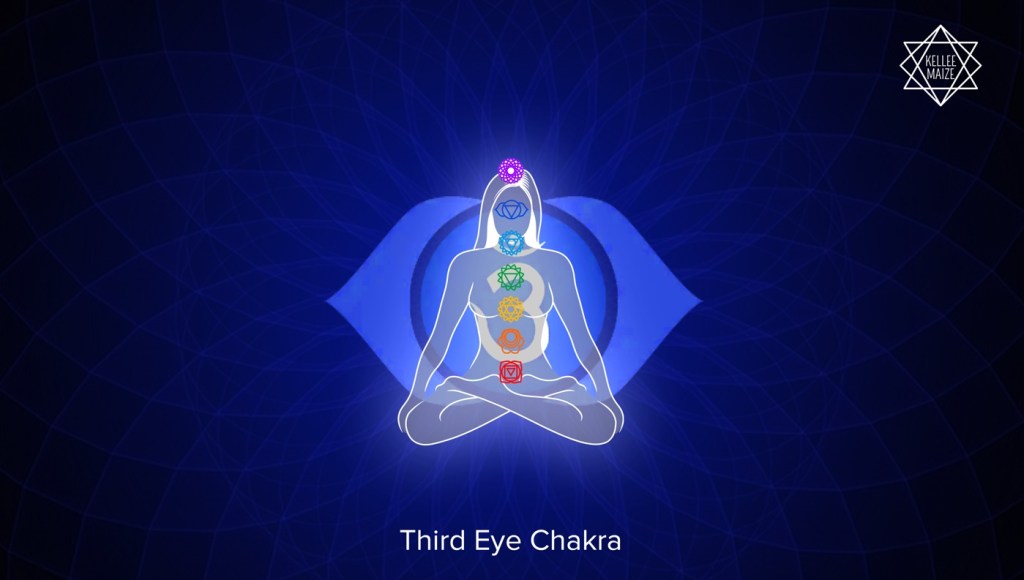
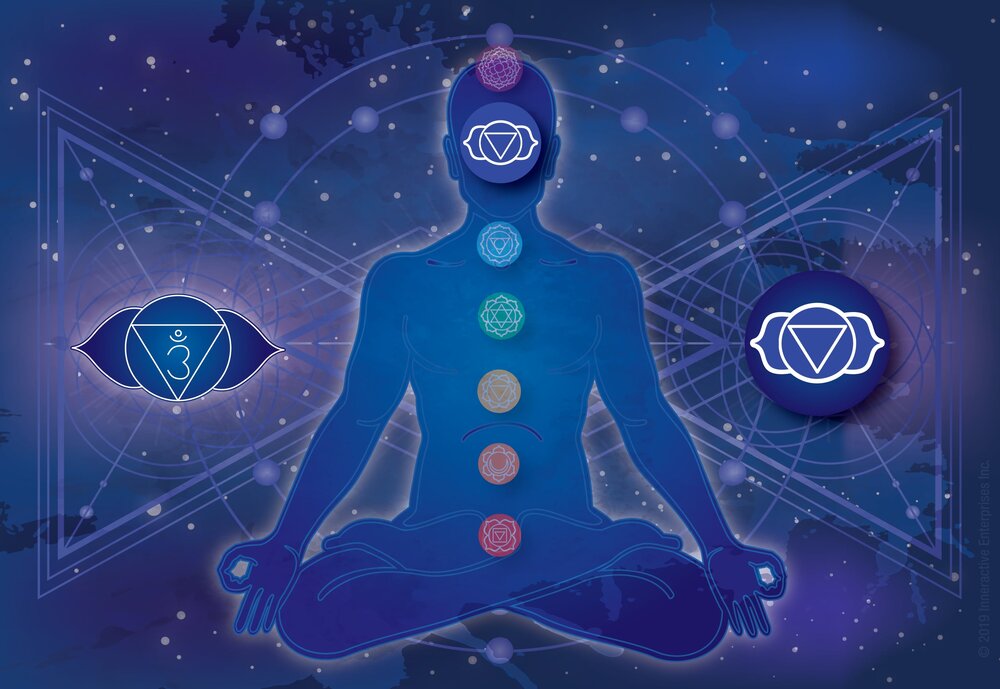
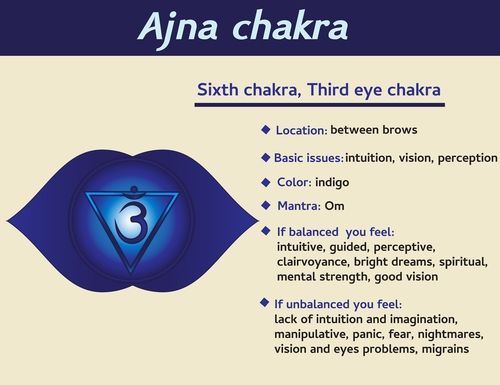
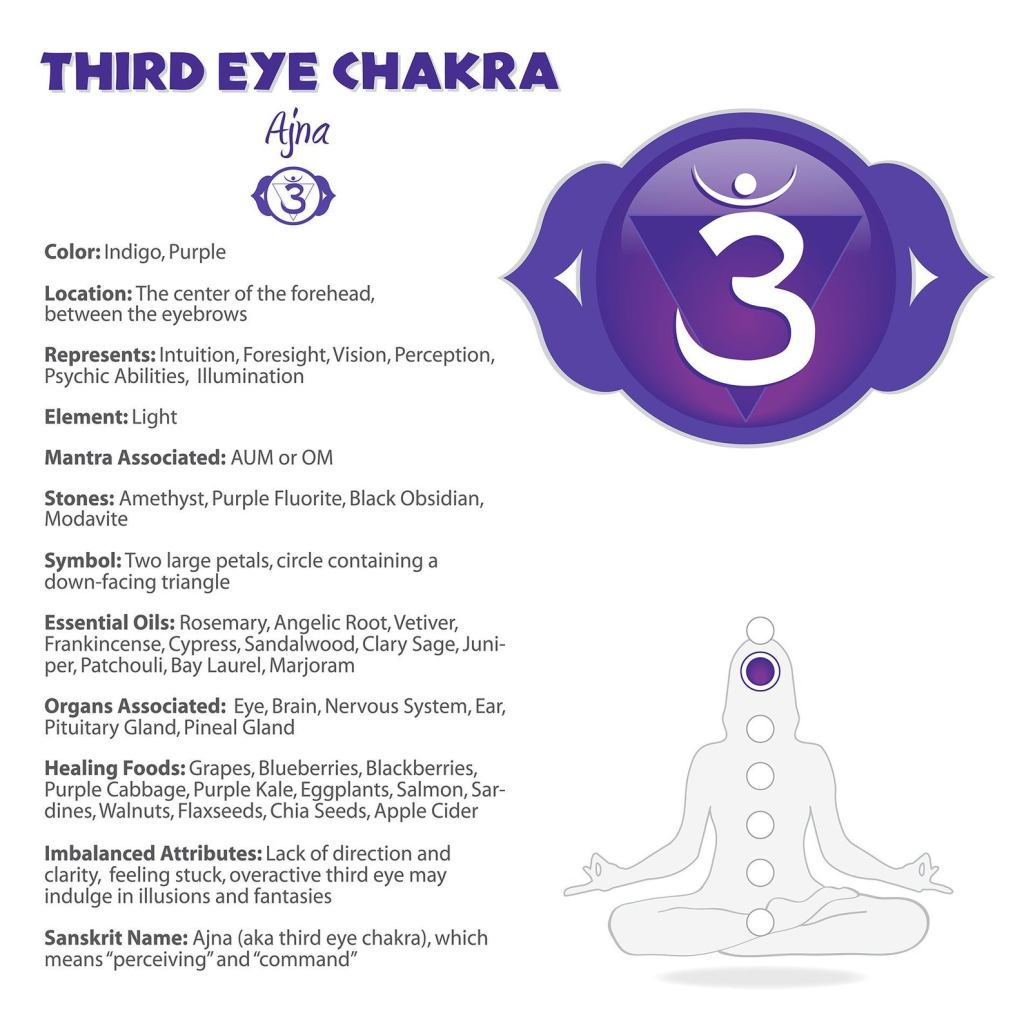
The third eye chakra is the sixth chakra. Located on the forehead, between the eyebrows, it is the center of intuition and foresight. The function of the third eye chakra is driven by the principle of openness and imagination. Most of us have energetic blocks and imbalances as well as energy-sabotaging habits that prevent us from accessing our full vitality, which leads us to feel exhausted, scattered, dull, even ill.

The Third eye chakra is associated with the pineal gland in charge of regulating biorhythms, including sleep and wake time. It’s a gland located in the brain that is a center of attention because of its relationship with the perception and effect of light and altered or “mystical” states of consciousness. It’s positioned close to the optical nerves, and as such, sensitive to visual stimulations and changes in lighting.

Imbalance of this chakra can lead to the feeling of being stuck in the daily grind without being able to look beyond your problems and set a guiding vision for yourself. Overactive third chakra without support from the rest of the chakra system may manifest as fantasies that appear more real than reality, indulgence in psychic fantasies and illusions

The Sanskrit Name of The Third Eye Chakra:

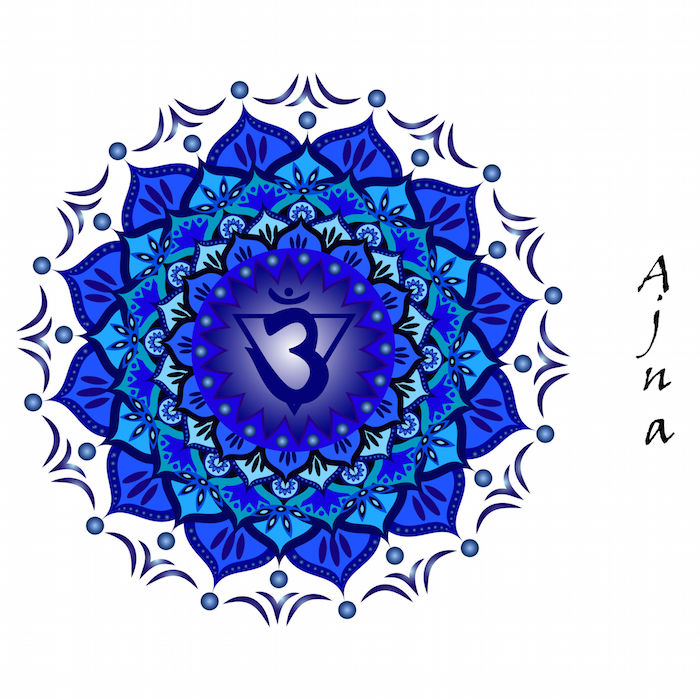
The most common Sanskrit name for the Third eye chakra is “Ajna”, which means “command” and “perceiving”. The third eye or Ajna chakra, is the center where we transcend duality – the duality of a personal “I” separate from the rest of the world, of a personality that exists independently from everything else. Because it connects us with a different way of seeing and perceiving, the third eye chakra’s images are often hard to describe verbally. It puts us in touch with the ineffable and the intangible more closely.

Third Eye Chakra Location:

The most commonly accepted location for the sixth chakra is between the eyebrows, slightly above at the bridge of your nose. Contrary to a common misconception, it is not located in the middle of the forehead, but between the eyes where the eyebrows would meet. It can also be described as being located behind the eyes in the middle of the head.

Third Eye Chakra Color:

The third eye chakra is most commonly represented with the color purple or bluish purple. The auric color of third eye chakra energy can also be seen as translucent purple or bluish-white. The third eye chakra is our connection to the spiritual world. Indigo, also called royal blue, is the color of night — there is a depth of awakening and change in this color that connects us to space and time. Blue color represents freedom, purity, loyalty, imagination, clarity, confidence, and trust.

Blue is regarded to be a color of the spirit and it is believed to have a beneficial impact on the body and mind. The blue color is also cooling in nature, therefore it will allow you to feel calmer, more peaceful, and balanced whenever you express yourself. The third eye chakra vibrates with the esoteric, spiritual phenomena that can become available to you once all of the lower chakras are clear and activated. Ajna brings a deeper understanding of things; insights and connections that are always there but not always sensed.

Third Eye Chakra Symbol:

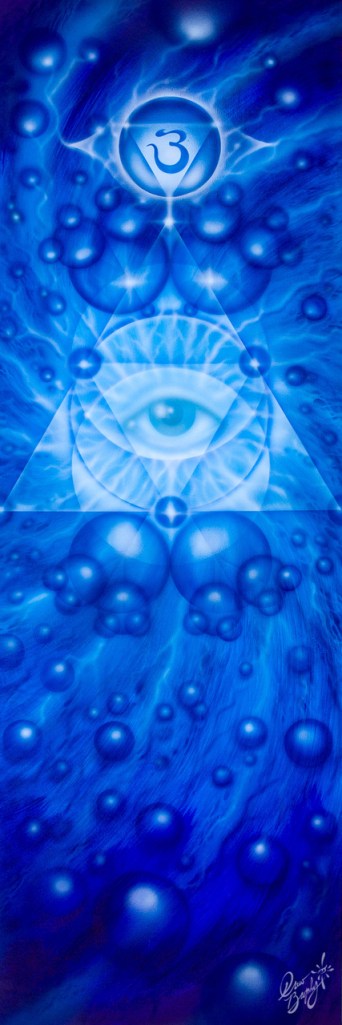
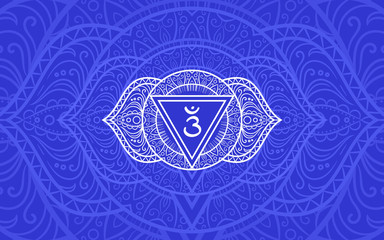
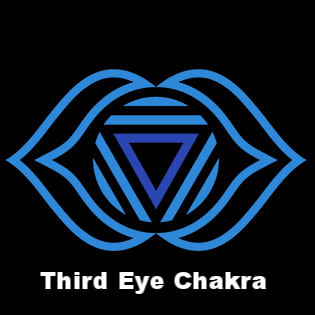
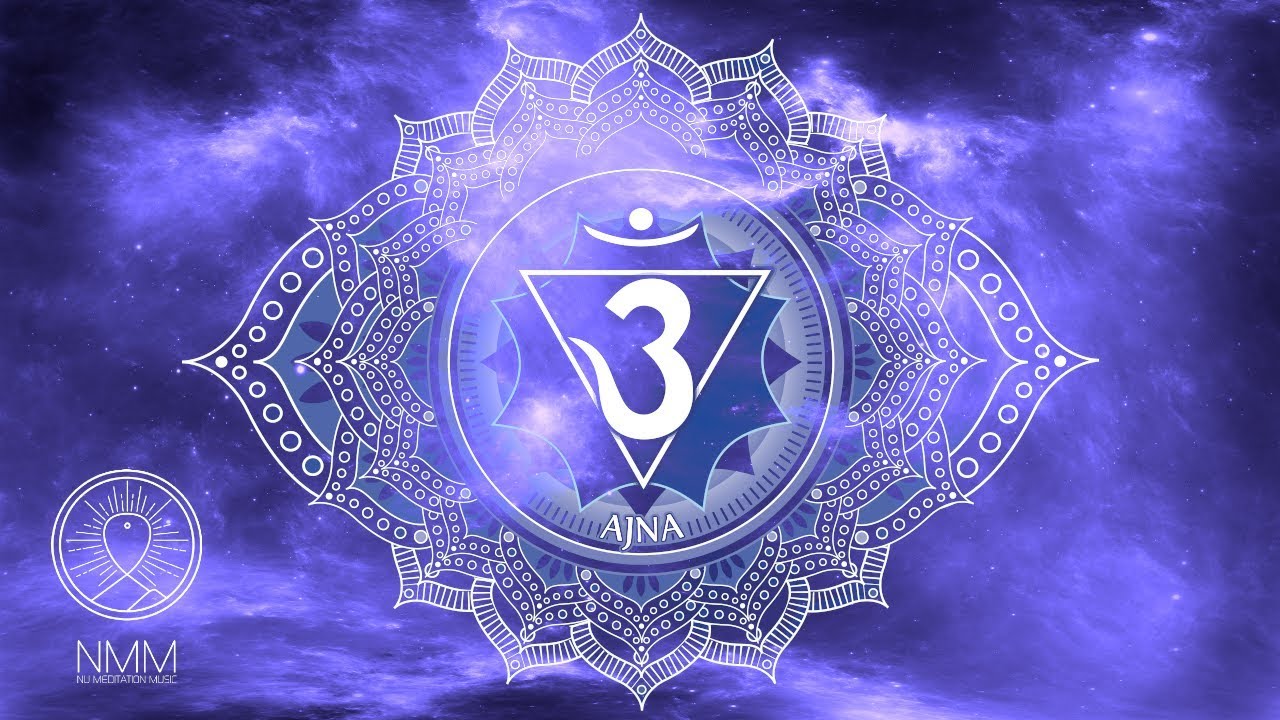
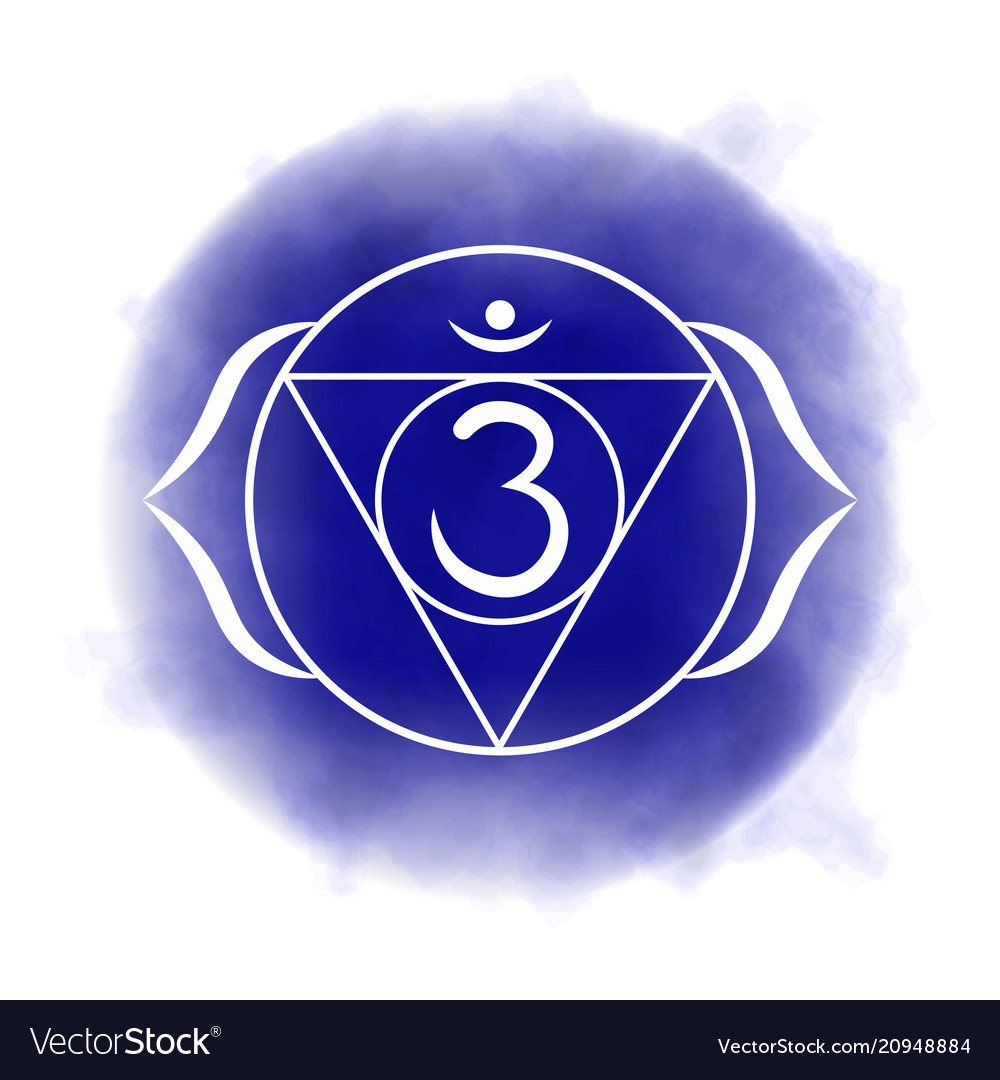
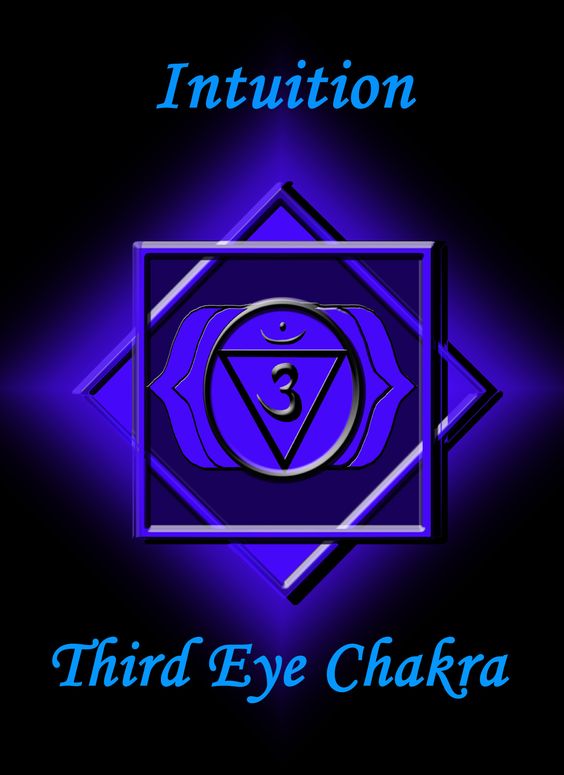
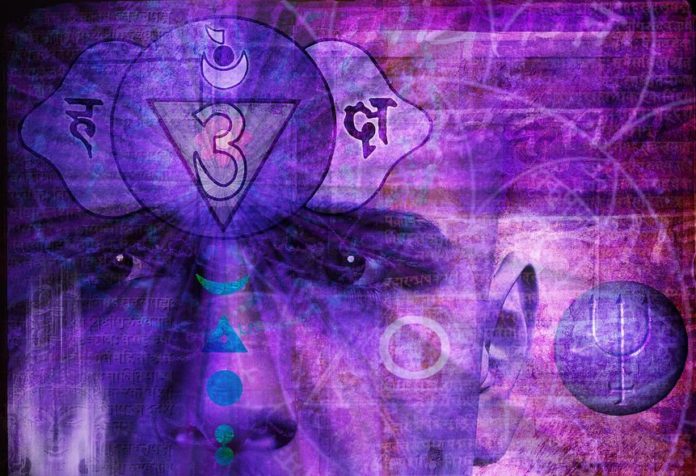
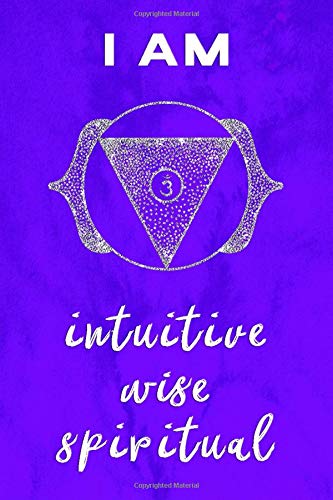
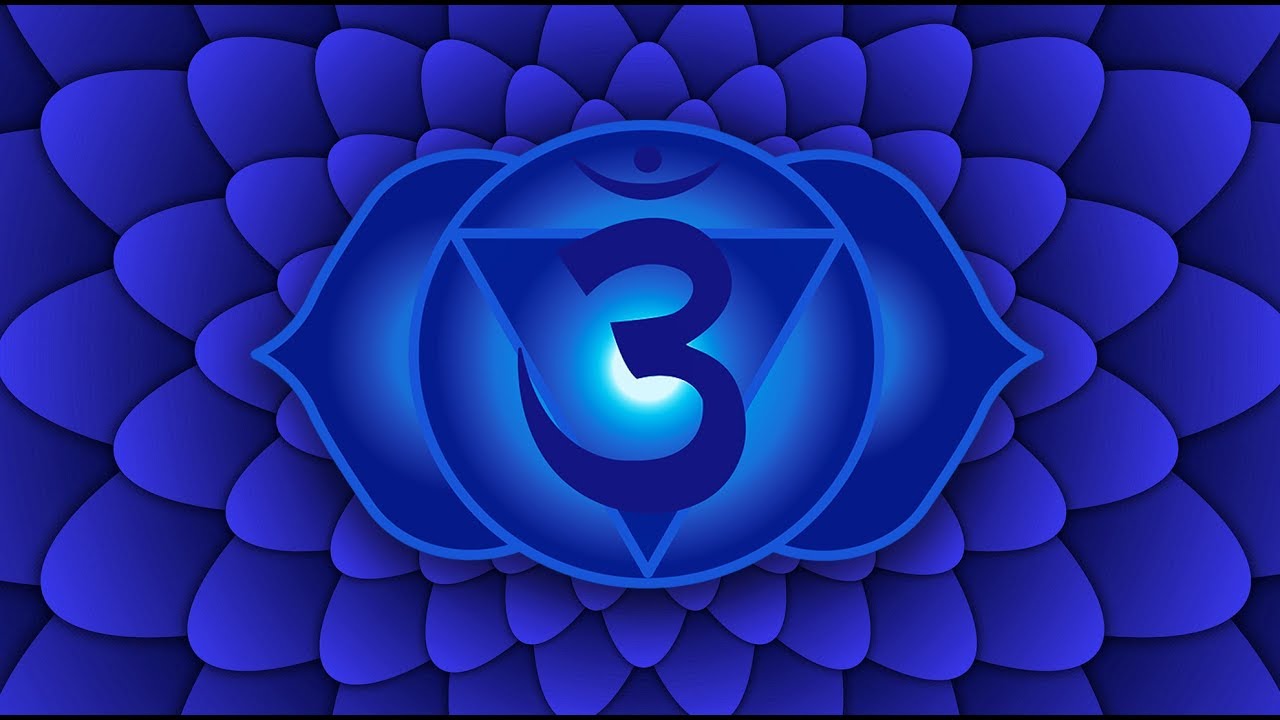
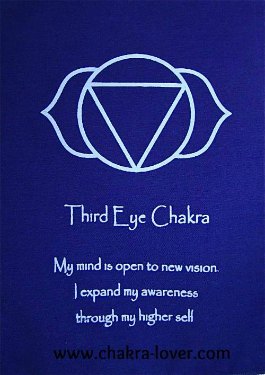
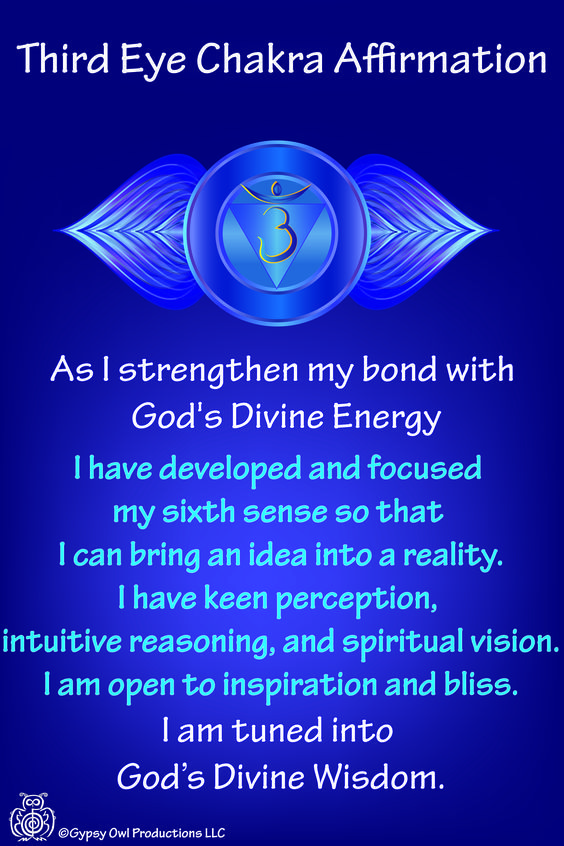
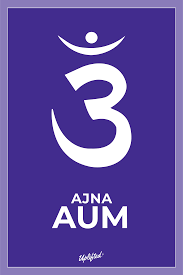
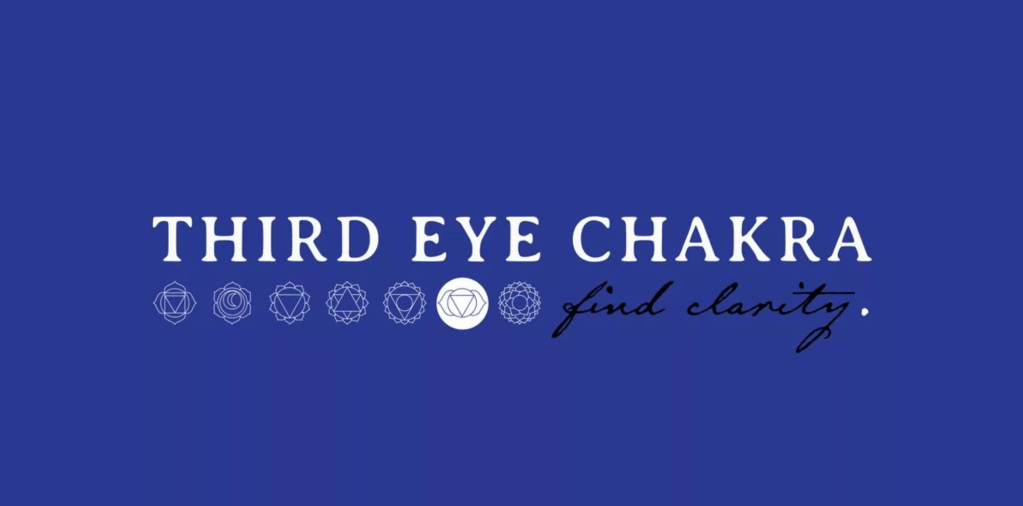
The image of the third eye chakra symbol contains two elements frequently associated with wisdom: the upside-down triangle and the lotus flower. The symbol of the third eye chakra shown with a white moon, six faces, and six arms holding a book, a skull, a drum, and a rosary while making the gestures associated with granting boons and dispelling fears. The downward-pointing triangle above her contains a white lingam. This triangle, along with the lotus flower, can represent wisdom.

Third Eye Chakra Mudra:

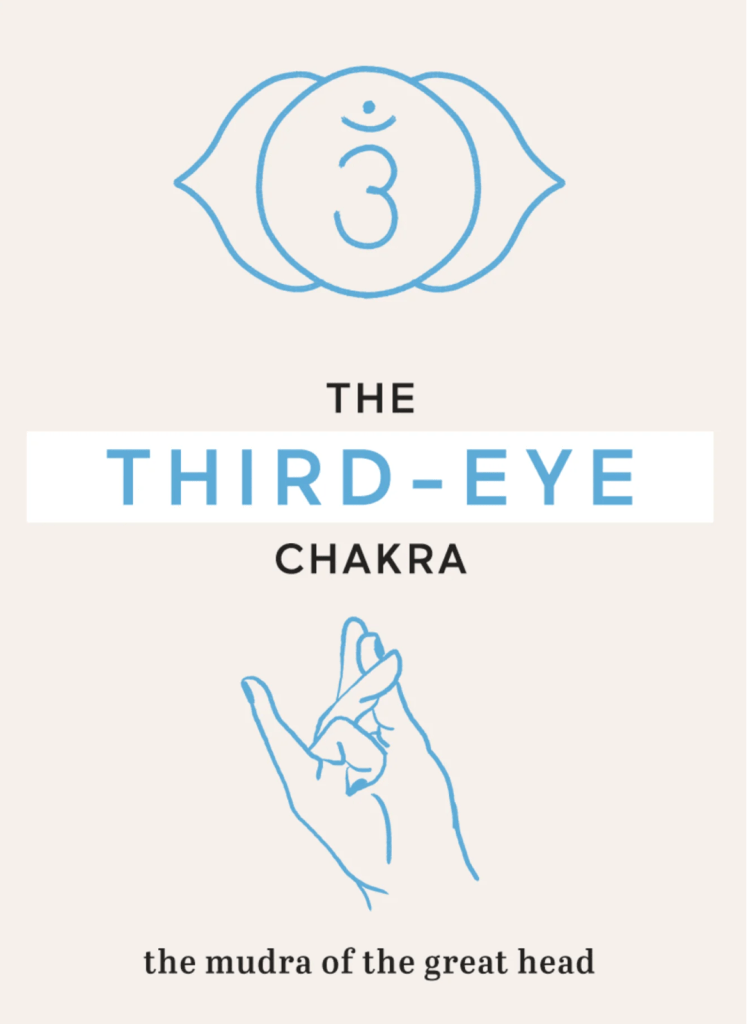
To tap into the wisdom and power of your intuition, use the mudra of the great head to channel deep into your third-eye chakra. Take your right hand just in front of the space between your eyebrows and curl the ring finger into your palm. Bring the tips of the thumb, middle finger, and index finger to touch, and keep the pinky finger extended long. Place the tips of the three fingers that are touching to your third-eye focal point. The left hand can remain on top of the left thigh, palm face-up, or in Gyan mudra.

Another key mudra that works to activate and open the third eye chakra is Gyan mudra, the mudra of wisdom and knowledge that cultivates a sense of clarity and insight and works to open and balance this chakra. To form this mudra, bring the tips of the thumb and first finger to touch. Gyan or Gyana is a Sanskrit word that refers to ‘Knowledge’ or ‘Wisdom’ & mudra means ‘Gesture’ or ‘Symbol’.

Third Eye Chakra Mantra:

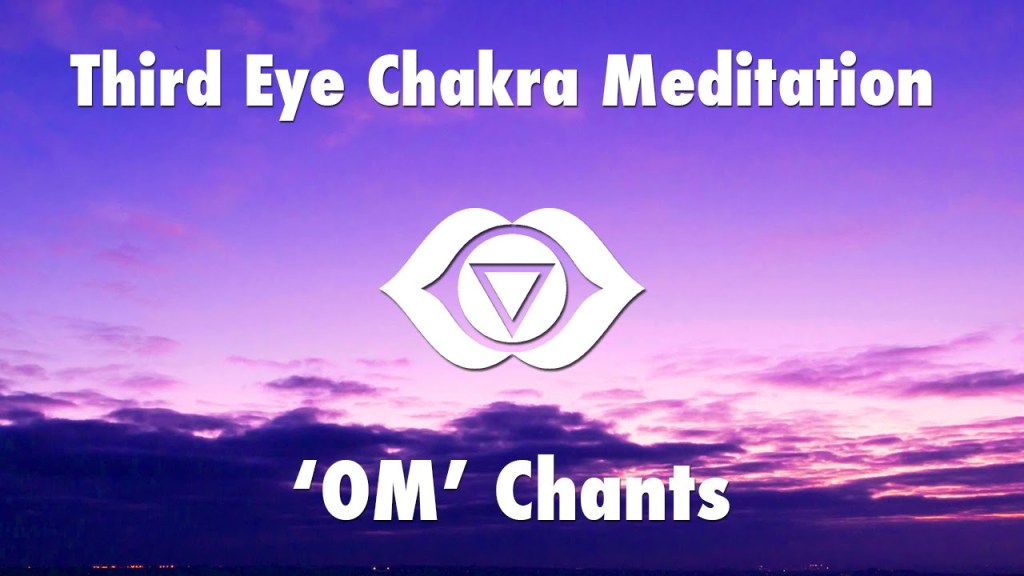
The mantra associated with the third eye chakra is a classic: aum (or om). This is the sound of the universe. Affirmations in English include. I trust my intuition. I care for my spirit. Om or Aum is a sacred sound and a spiritual symbol in Indian religions. It signifies the essence of the ultimate reality, consciousness, or Atman. More broadly, it is a syllable that is chanted either independently or before a spiritual recitation in Hinduism, Buddhism, and Jainism.

My dear lovelies! I would love to hear your impression on this chakra and what are you doing to balance your throat chakra? Please comment below at the end of this page.

In the meantime, please subscribe to this blog or follow me if you have a WordPress account. Check out the first to fourth chakras: Root ChakraSacral ChakraSolar Plexus Chakra, and Heart Chakra. Don’t forget to check out my Facebook Page and follow me on Instagram @forevernij. Are you on Bloglovin? Also please subscribe to my YouTube channel. Let’s support each other. Please follow me and comment below with your information so that I can follow you back.

Thank you2

———————————–   Happy Reading ———————————-

Follow my Instagram page on @forevernij

Follow my blog on Bloglovin

Follow my Facebook Page on @forevernij

Subscribe to my YouTube channel

Follow my Twitter account @allaboutme3181
Part 5 of The Balancing Chakra Series Through Guided Meditation – Throat Chakra or Vishuddha


Throat Chakra or Vishuddha:

Hi there my lovelies! Hope you all are doing well and staying safe. Today we will try to balance the fifth chakra, Throat Chakra or Vishuddha through guided meditation. In the series of 7 majors chakras in our body, the throat chakra is titled as the fifth chakra when counting in ascending order from the base of the spine to the crown of the head.

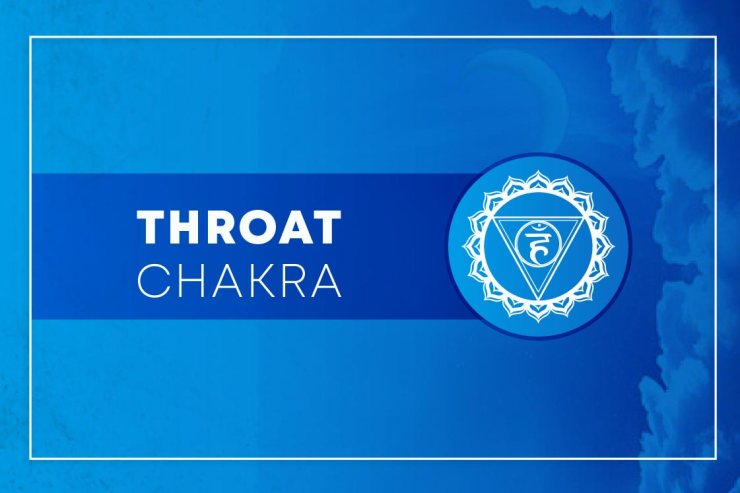
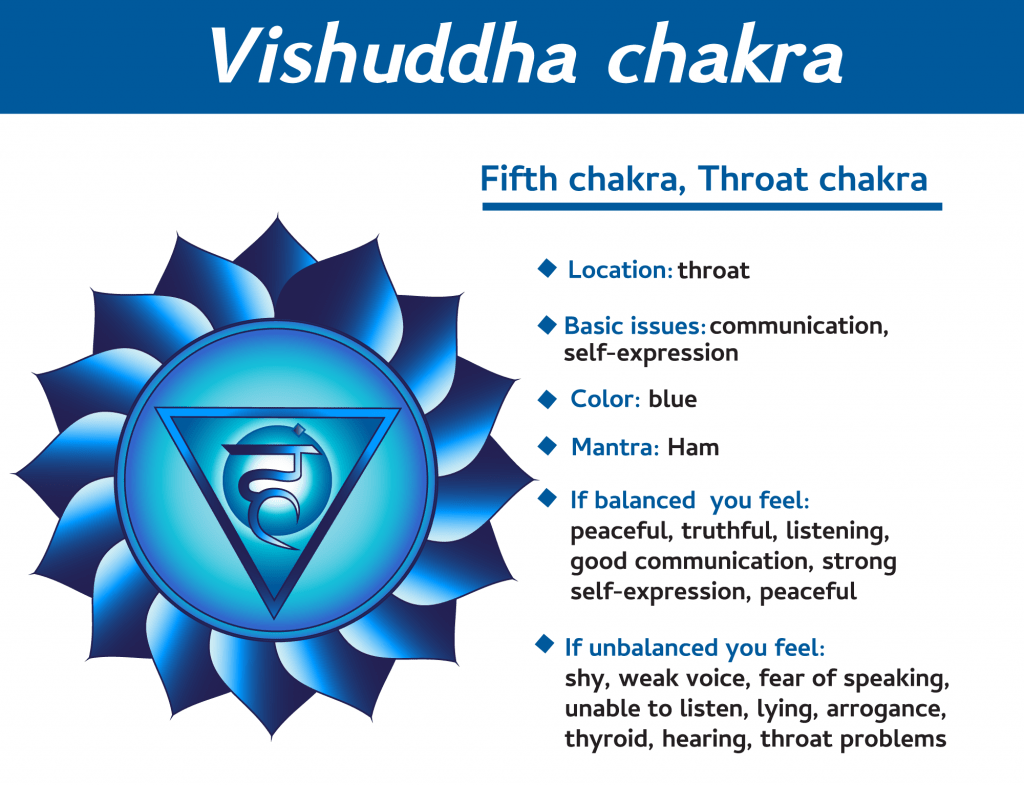
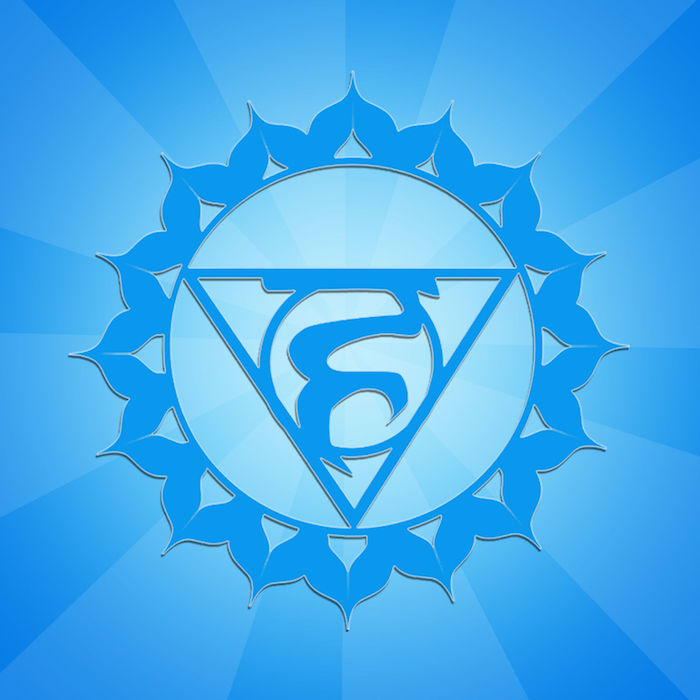
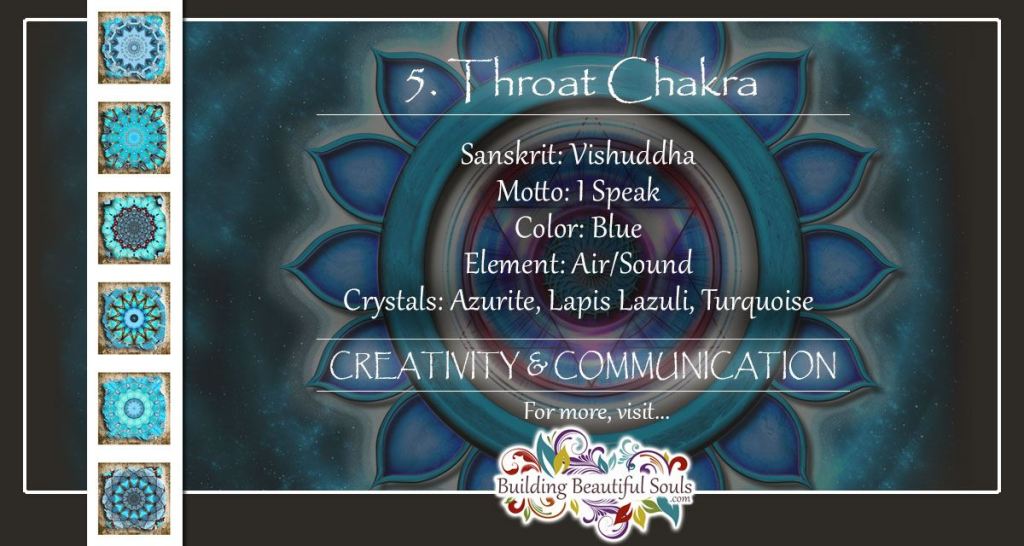
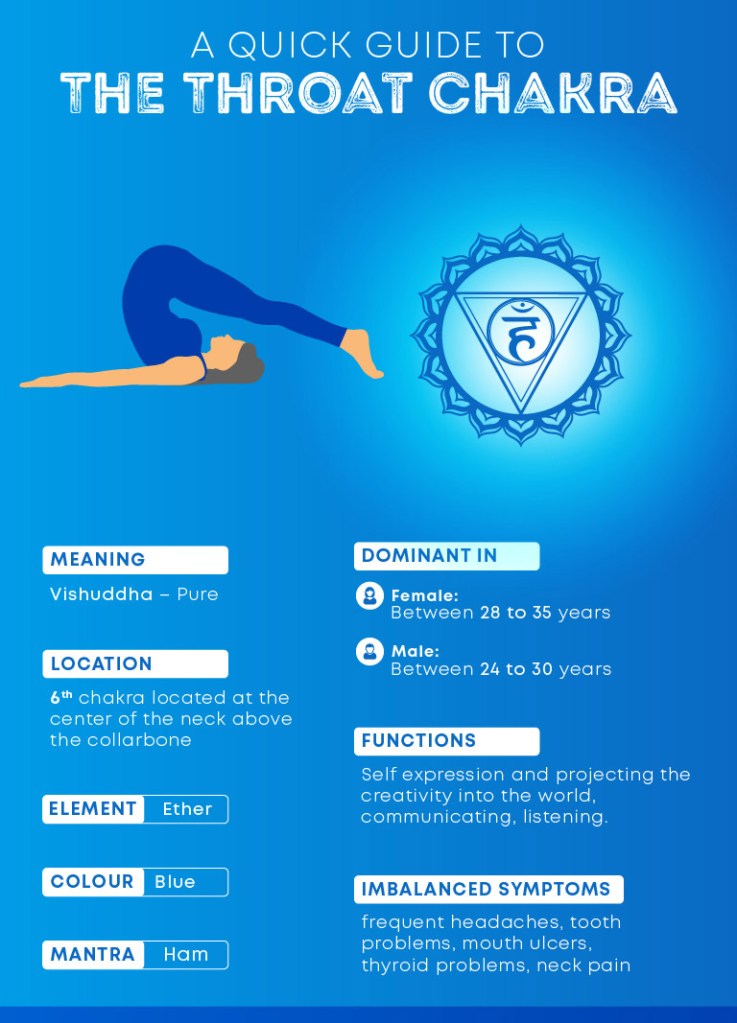
Throat Chakra or Vishuddha is positioned in the throat region. The most common Sanskrit name for the Throat chakra is “Vishudda”, which means “pure” or “purification”. The Throat chakra is about the expression of yourself: Your truth, purpose in life, creativity. Note that this chakra has a natural connection with the second chakra or sacral chakra, center of emotions, and creativity as well. The throat chakra’s emphasis is on expressing and projecting the creativity into the world according to its perfect form or authenticity.

Location:

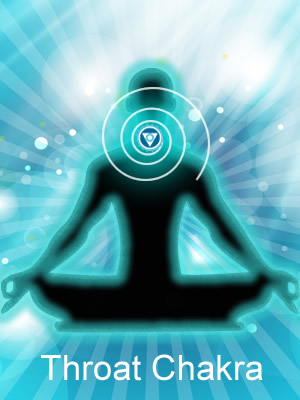
The Throat chakra is the fifth chakra. Located at the center of the neck at the level of the throat, it is the passage of the energy between the lower parts of the body and the head. The most commonly accepted location for the fifth chakra is at the level of the throat. It’s important to remember that this chakra is multidimensional and is often represented as going out of the front of the throat and going in the back at a slight upward angle. Additionally, this chakra acts as the passage of the energy between the lower parts of the body and the head, and is mainly driven by the principle of expression and communication.

Element:

throat chakra

This chakra is related to the element of sound. Through the throat, the sound is propagated into the air and its vibration can be felt not just in our ears, but also in our whole body. It is an important instrument of communication and expression. Through the throat, the sound is propagated into the air and its vibration can be felt not just in our ears, but also in our whole body.

Function:

The function of the Throat chakra is driven by the principle of expression and communication. It is associated with higher discrimination and is associated with creativity, self-expression, and to express your truth, to speak out. It is associated with the thyroid gland in the endocrine system. This gland is in the neck and produces hormones essential for growth and maturation.

Opening this chakra greatly help align one’s vision with reality and release the pressure that may affect the heart chakra that is located just below. Each being is born with unique talents & has a unique life purpose. This marks it necessary to clearly analyze true desires and not be influenced and enchanted by others. When your voice is rhythmic and resonant, clear with precise expression, it symbolizes your balanced stage of the fifth chakra, defining your ability to take decisions & hence to follow your dreams.

A blocked throat chakra can contribute to feelings of insecurity, timidity, and introversion. On the other end of the spectrum, an overactive throat chakra may also lead to gossiping, nonstop talking, and being verbally aggressive or mean. Rather than speaking up fully from open-heart, one speaks half-truths and untruths to repress the inner dissatisfaction.

In addition, creative impulses get suppressed by blockage of the fifth chakra as ideas do not move through to the lower chakras where they are made into reality, with other features like, fear of speaking, difficulty putting feelings into words, shy, quiet and withdrawn. Other communication features affected by blocked throat chakra include talking too much, dominating voice, inability to listen, and have to appear strong at all costs.

The over-reactive phase of this chakra makes the person yell and dominate others in a conversation, not allowing them to speak or listen to them, with a loud and shrill voice, and become judgmental by overanalyzing things. Underactive chakra makes one whisper and speaks in a timid voice with stammering. These people find it hard to initiate conversations or find the right words when speaking.

Do you know know of anyone with the above features of blocked chakra? Please comment below at the bottom of the page. People with ADHD do exhibits some of these features, such as talking too much (actually out of turn), inability to listen. I know it because I have ADHD.

Symbol:

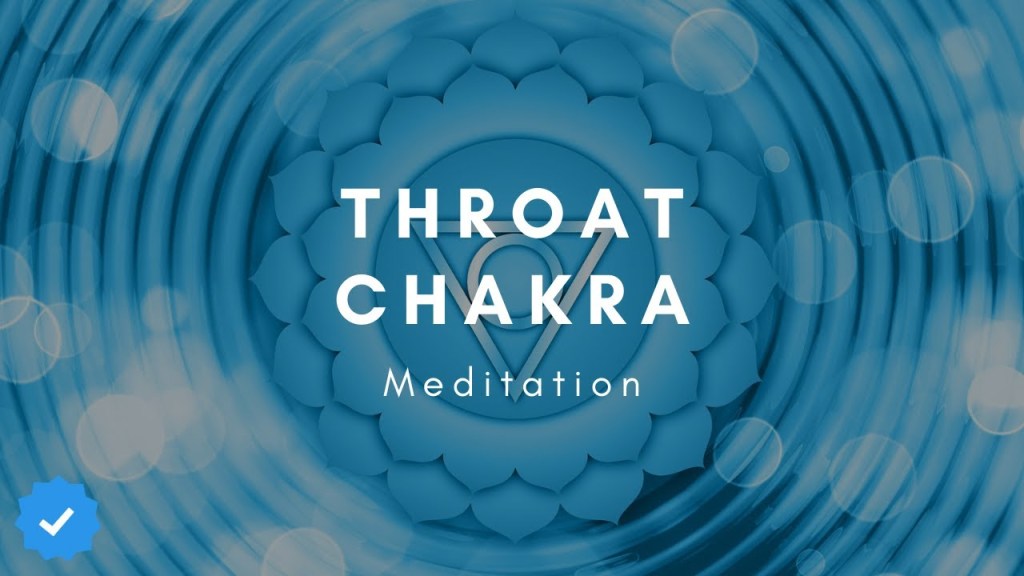
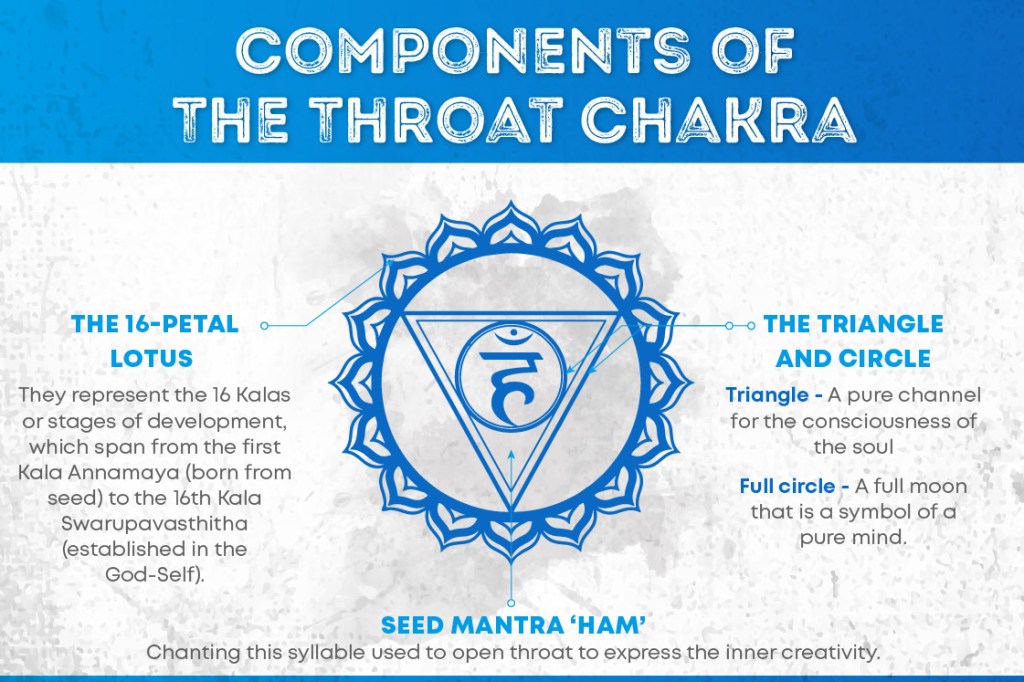
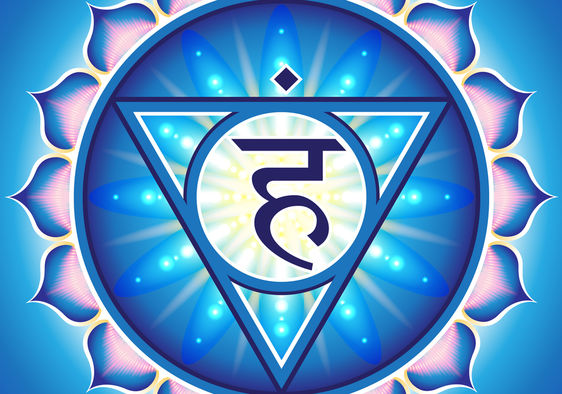
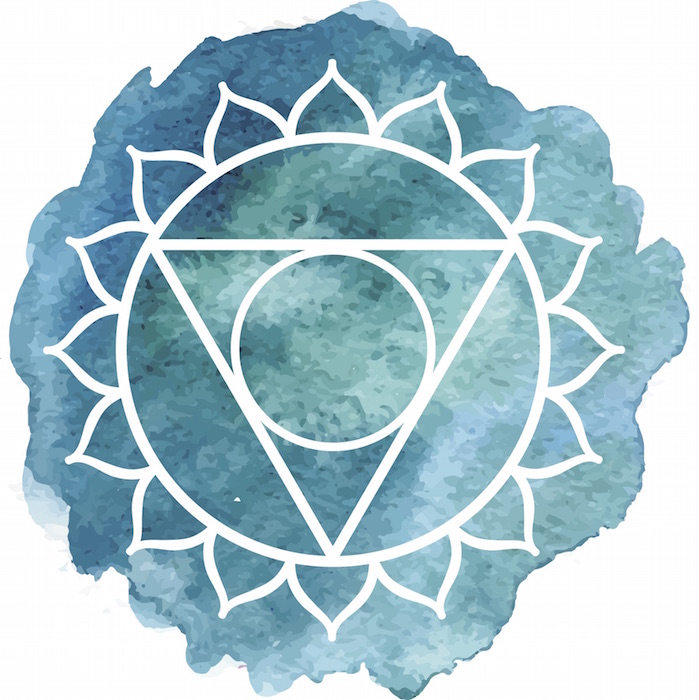
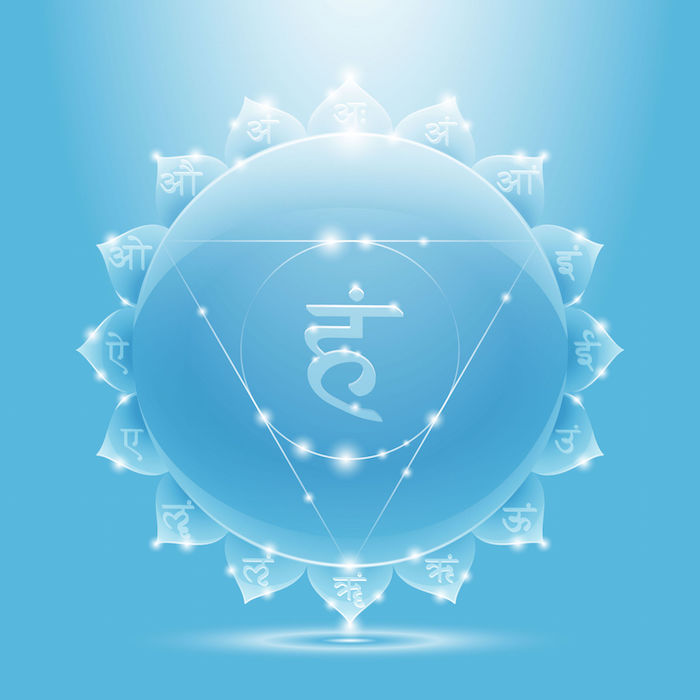
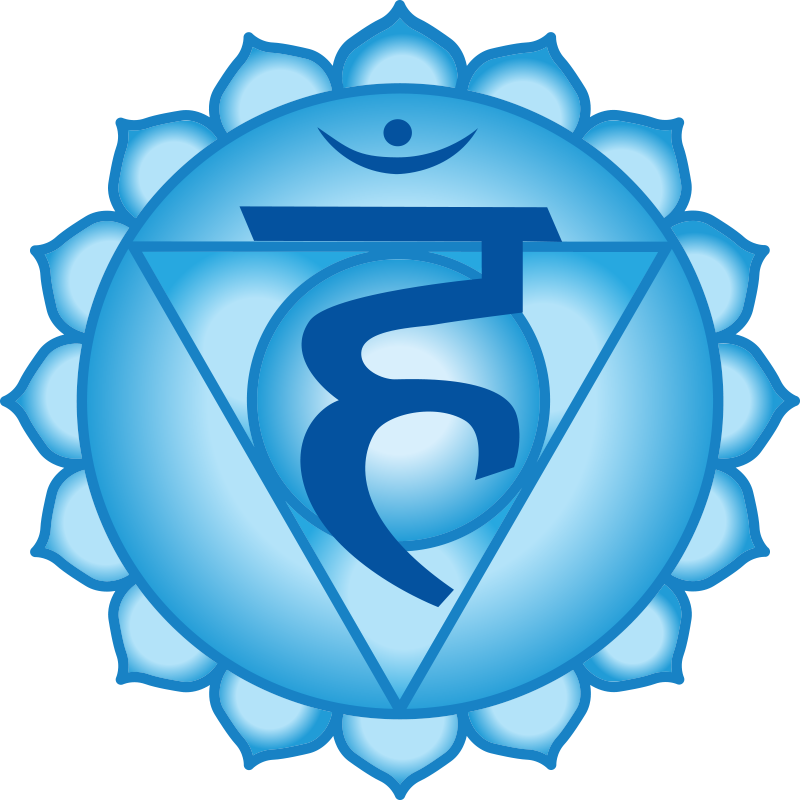
The crescent-shaped throat chakra image, imbedded in a white (or sometimes light blue) circle, is inspired by the moon, purity, and cosmic sound and is surrounded by lotus petals. One explanation of the significance of these elements is their relationship to the ultimate goal of meditation — to blend with Akasha to achieve higher consciousness. The transcendence of human consciousness is itself an act of purification. In order to achieve that level of purification, the throat chakra must be open and balanced.

The sixteen lotus petals surrounding the throat chakra symbol are often inscribed with Sanskrit letters; namely, the vowels. Why vowels? They represent the breathy, airy elements of words — just like ether is the airy element of space. The inverted triangle of the throat chakra symbol is also symbolic of spiritual growth. The downward position is affiliated with the gathering of information, while the widening upward sides represent the blossoming knowledge leading to Enlightenment.

Color:

The Throat chakra is most commonly represented with the color blue turquoise or aquamarine blue. The auric color of Throat chakra energy can also be seen as a smoky purple or turquoise. In our color spectrum, Blue is the first of the three primary colors, connecting us with the Divine and it is also the color associated with Heaven. Blue energy is pure, soothing, healing & is also at the cooler end of the spectrum, allowing us to take time to be still.

Mantra:

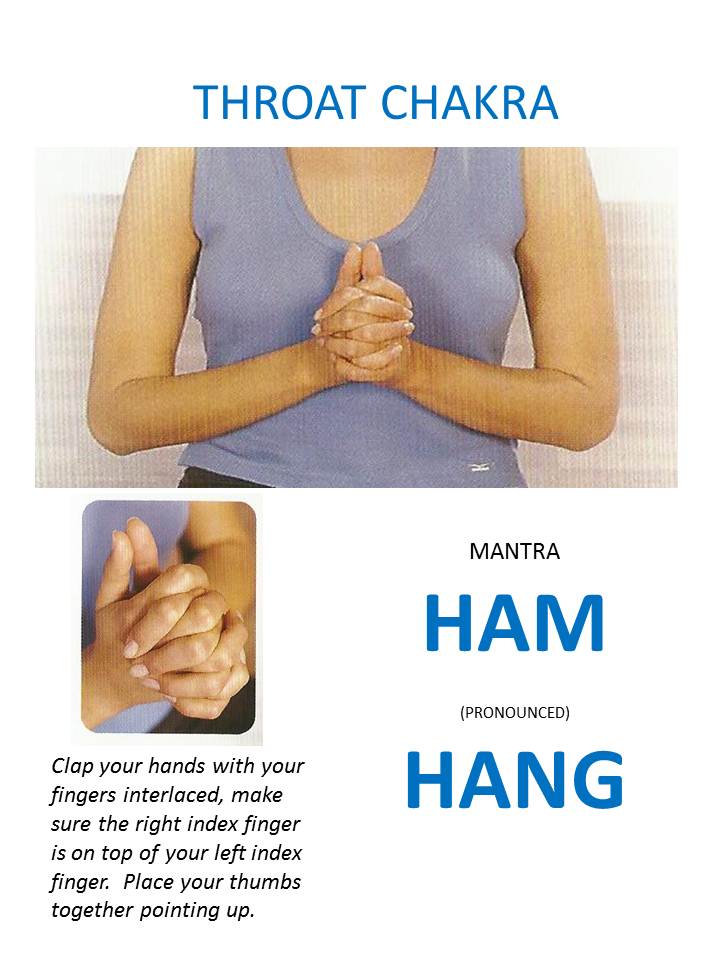
The Bija Mantra is the syllable हं haṃ and is written in white upon the chakra. Ham is the mantra to unblock the Throat Chakra defining our physical and spiritual voice viz the means of communicating of “who you are” and “what you need and want” from yourself and the universe.

The Granthita Mudra:

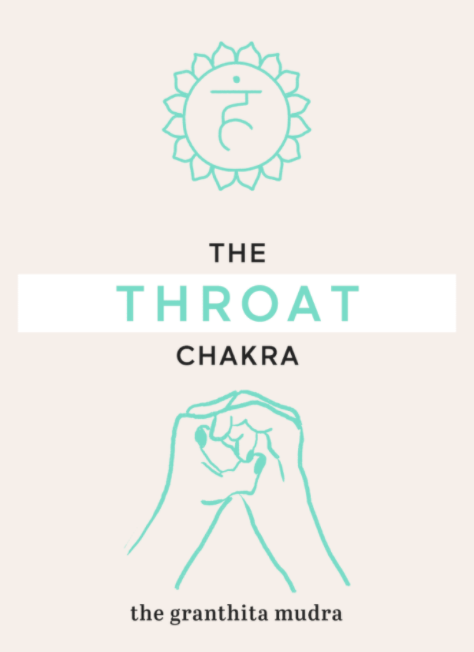
Interlace your last three fingers (middle, ring, and pinky) together inside of your hands. Interlock the index fingertips and thumbs to form two rings, and hold this mudra in front of the base of your throat. Concentrate on the Throat Chakra at the base of the throat. Chant the mantra HAM. Do it for 10 minutes and feel the sensation of the awakening of the Vishuddha Chakra.

My dear lovelies! I would love to hear your impression on this chakra and what are you doing to balance your throat chakra? Please comment below at the end of this page.

In the meantime, please subscribe to this blog or follow me if you have a WordPress account. Check out the first to fourth chakras: Root Chakra, Sacral Chakra, Solar Plexus Chakra, and Heart Chakra. Don’t forget to check out my Facebook Page and follow me on Instagram @forevernij. Are you on Bloglovin? Also please subscribe to my YouTube channel. Let’s support each other. Please follow me and comment below with your information so that I can follow you back.

Thank you2

———————————–   Happy Reading ———————————-

Follow my Instagram page on @forevernij

Follow my blog on Bloglovin

Follow my Facebook Page on @forevernij

Subscribe to my YouTube channel

Follow my Twitter account @allaboutme3181
Part 2 of Balancing Chakra Series Through Guided Meditation – Sacral Chakra or Svadhisthana


Hi there my beautiful lovelies! Hope you guys are doing well and staying safe. Today, I want to share with you the second part of balancing the chakra series through guided meditation. Part Two of Balancing Chakra Series Through Guided Meditation – Sacral Chakra or Svadhisthana

Sacral Chakra or Svadhisthana:

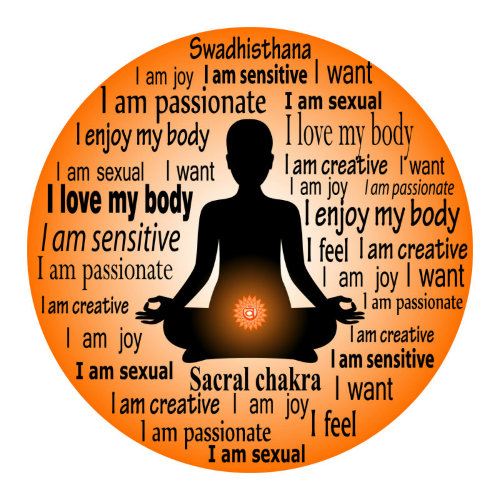
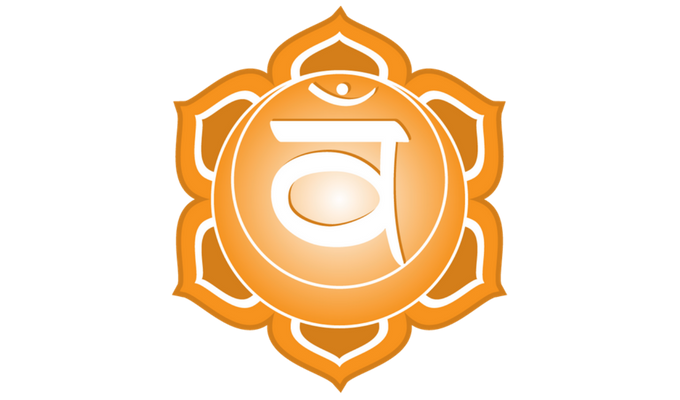
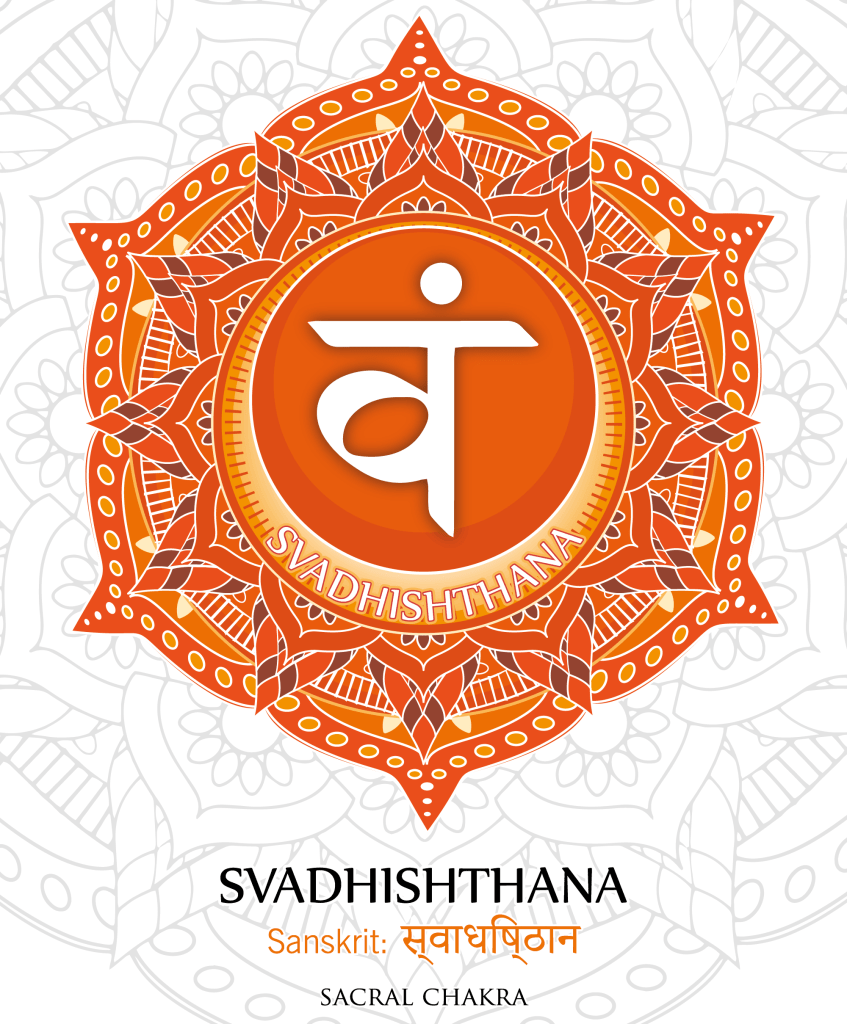
Part Two of Balancing Chakra Series Through Guided Meditation - Sacral Chakra or Svadhisthana

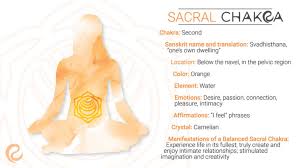
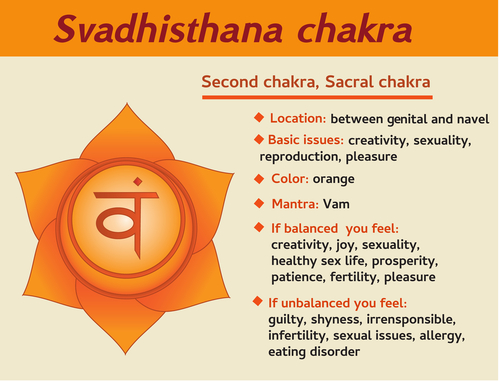
The second chakra or the Sacral Chakra is located just above the pubic bone and is responsible for passion, sexuality, intimacy, money, creativity, and joy. The balance of the Sacral Chakra allows us to improve our relationships with ourselves and others. It is associated with the water element and is characterized by movement and flow in our emotions and thoughts, flow, and flexibility. It also supports personal expansion and the formation of identity through relating to others and to the world. The function of the sacral chakra is directed by the principle of pleasure. It’s the center of our feelings and sensations. It’s particularly active in our sexuality and the expression of our sensual and sexual desires.

Location:

The most common location for the sacral chakra is about three inches below the navel, at the center of your lower belly. In the back, it’s located at the level of the lumbar vertebrae. Other noteworthy locations described in different systems, expand its location to the genital area, especially at the level of ovaries for women and the testicles for men.  It is associated with the lymphatic system.

Color of Sacral Chakra:

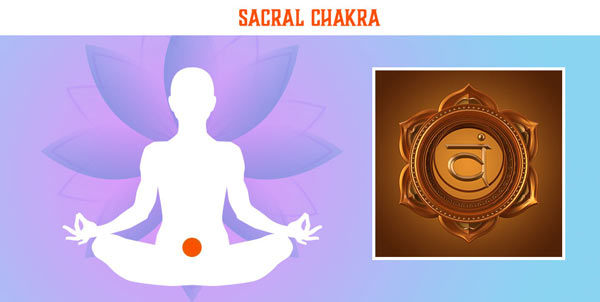
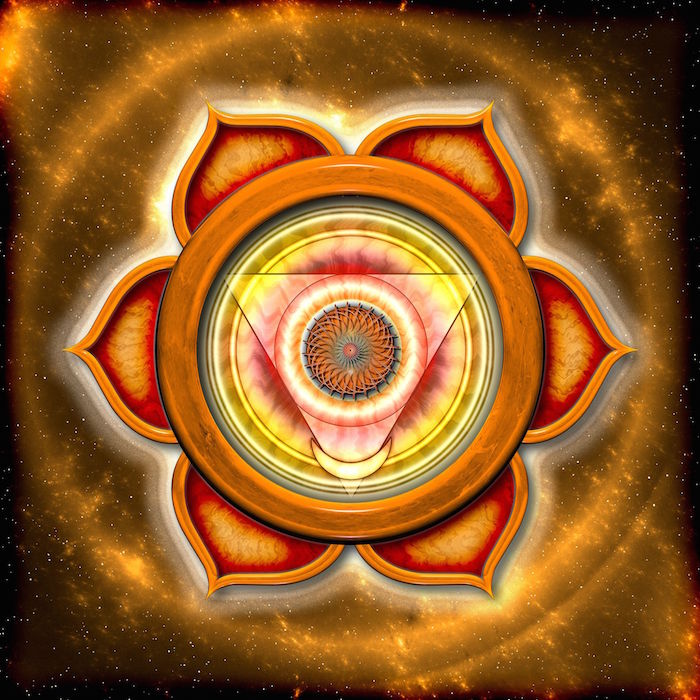
The sacral chakra is most commonly represented with the color orange. However, since it’s associated with the element of water, it could also take the color of very light blue or white on more rare occasions. The orange of the second chakra is translucent and has a transparent quality.

Symbol:

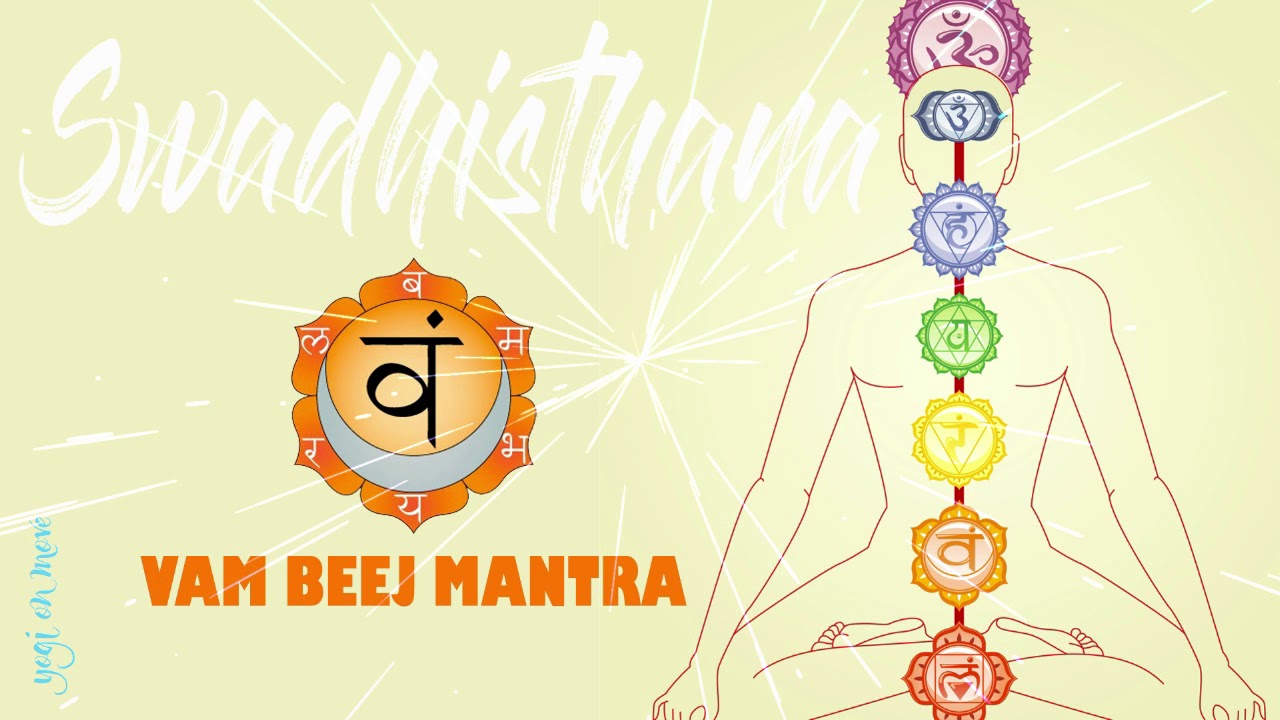
The circle in the symbol of Sacral Chakra represents the elements of water. Typically, the moon crescent is colored in silver and represents the connection of the energy of the moon with water. These symbols point to the close relationship between the phases of the moon and the fluctuations in the water and the emotions.

The Shakti Mudra:

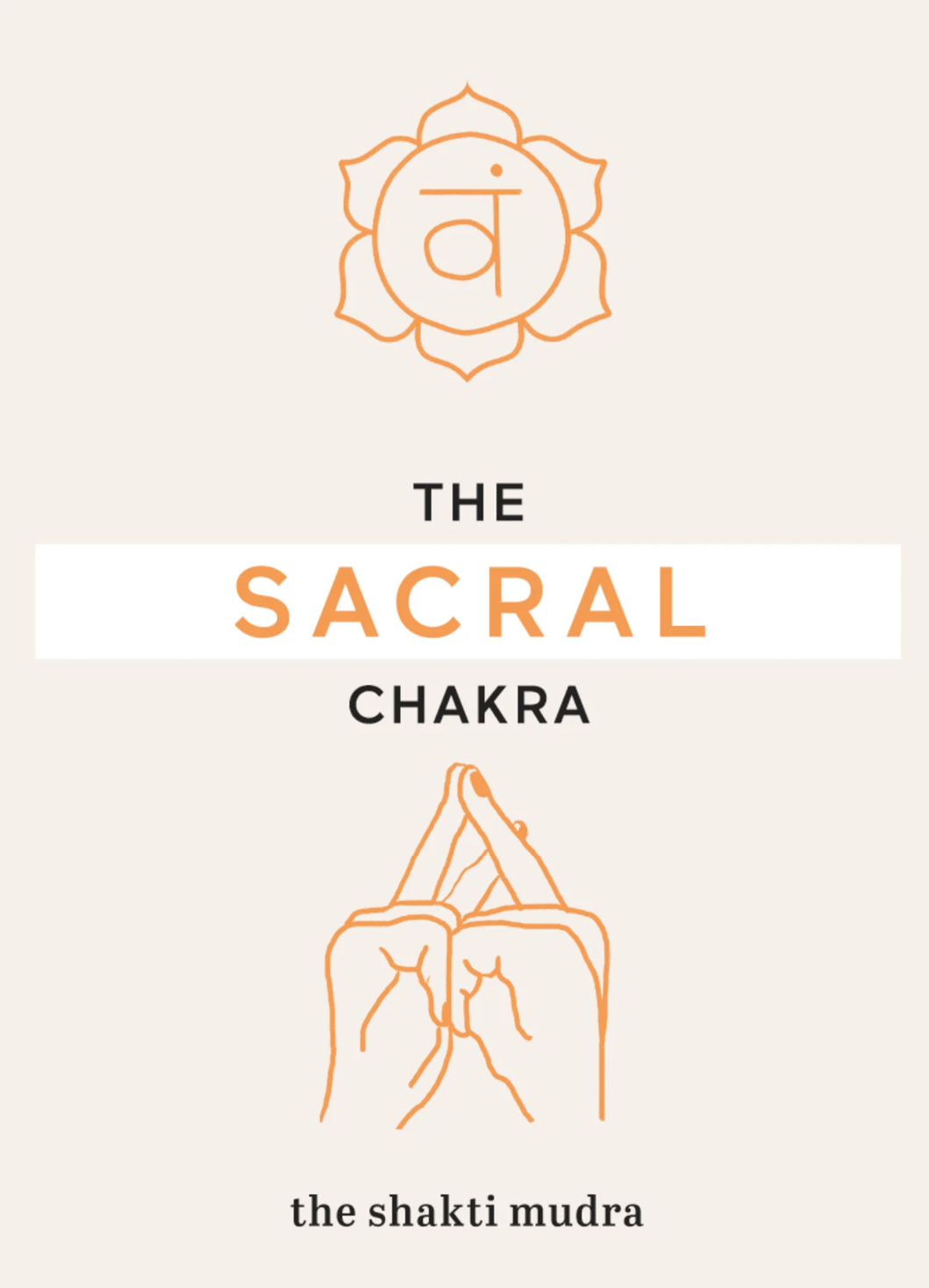
This feminine mudra for the sacral chakra works to harness sexuality and sensuality.  With your palms in front of your chest, press your pinky and ring fingertips together. Fold your thumbs into your palms, inside of your index and middle finger.

Mantra – VAM:

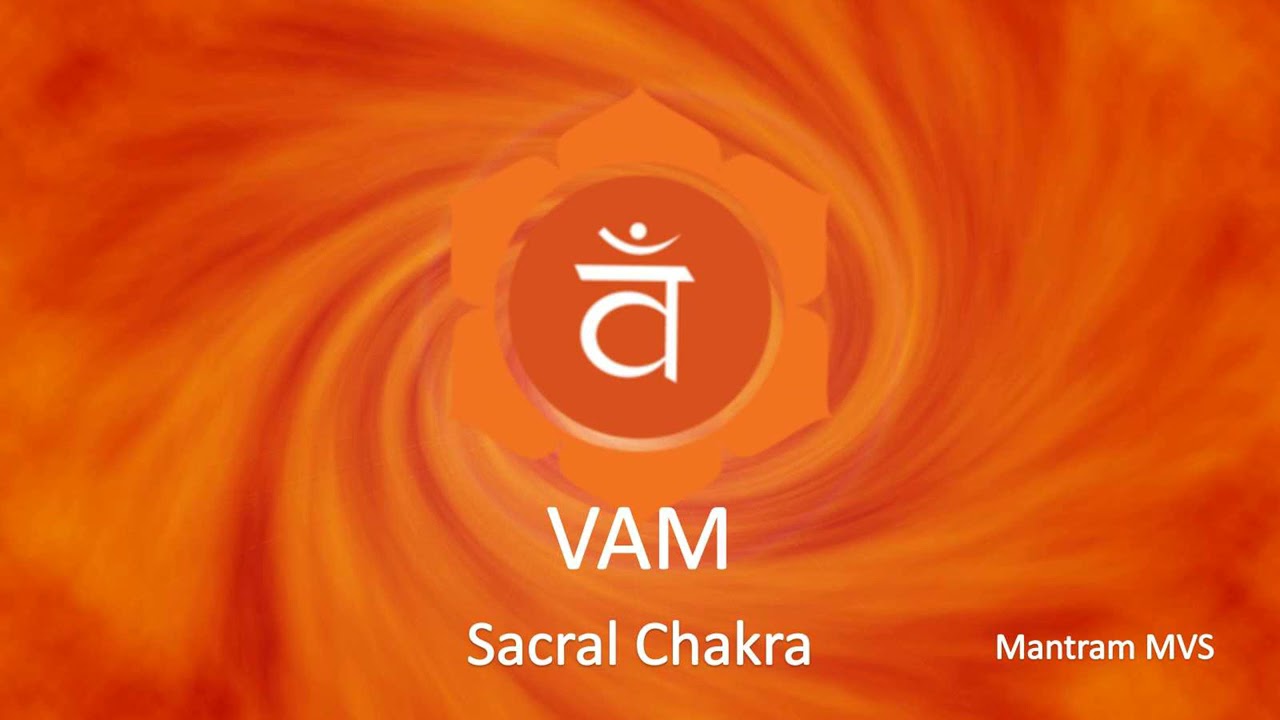
Vam is the bija, or seed, sound of the sacral chakra. When chanting the mantra, vam, the power of the sound vibrations is believed to cleanse this chakra, which is the energy center of creativity, pleasure, and sexuality. Yogis chant vam to heal the sacral center physically, emotionally, and spiritually. Mantras, particularly single-syllable bija mantras, are usually chanted for their healing sound vibrations, rather than any specific meaning. Chakra mantras like vam are thought to clear the subtle energy pathways in the body in order to create positive change.

My dear lovelies! Hope you enjoyed this post as much as I enjoyed sharing it.

In the meantime, don’t forget to check out my Facebook Page and follow me on Instagram @forevernij and Twitter page @allaboutme3181. Are you on Bloglovin?  Also please subscribe to my YouTube channel. Let’s support each other. Please follow me and comment below with your information so that I can follow you back.

Thank you2

———————————–   Happy Reading ———————————-

Follow my Instagram page on @forevernij

Follow my blog on Bloglovin

Follow my Facebook Page on @forevernij

Subscribe to my YouTube channel

Follow my Twitter account @allaboutme3181