Join Me For a Great Cause


Hi There! I know it has been a while since my last blog. I have been dealing with some personal issues, but I am back with share with you something that is very important for me. As you know it is officially spring, though I woke up to below freezing temperature this morning, I still feel spring in the air. Why not take advantage of it. Especially, if you leave near the Washington D.C. metro area imagine the Tidal Basin filled with the beautiful blooming cherry blossom. What a breathtaking view!

Now let spring inspire us to take a healthy step and mark your calendar for the Annual Congenital Heart Walk in Wheaton Maryland. This year again it is taking place at the beautiful Wheaton Regional Park located at 2000 Shorefield Road, Wheaton, MD (just off the Beltway) on Saturday, April 25th at 9:00 a.m. The walk is for a wonderful cause. The Congenital Heart Walk is a national fundraising event series benefiting the Adult Congenital Heart Association (ACHA) and The Children’s Heart Foundation (CHF). We walk to honor and remember the millions who have been impacted by congenital heart disease (CHD). CHD  is the most common birth defect effecting approximately 8 in every 1000 babies born each year. As a research personnel, working at the Heart Institute of Children’s National Health System, I have seen babies and children who are born with complex heart disease who are rushed to the hospital for open heart surgery when they are just a hour or so old. I have friend who have been impacted by the defect and I am joining the walk to for my friends and everyone I serve and had the privilege of knowing with the condition who are know longer among us.

Hence, please joins us to support such an important cause. If you cannot join us in person please support us in spirit by donating to the link. Thank you for being part of this wonderful cause.

http://events.congenitalheartwalk.org/site/TR/Walk/General?px=1047333&pg=personal&fr_id=1170
Newborn Heart Defect Screening


414258_228411283941772_826874988_o

Today, I want to write about something that is very close to my heart. As a research personnel, working at the Heart Institute of Children’s National Health System, I have seen babies and children who are born with complex heart disease who are rushed to the hospital for open heart surgery when they are just a hour or so old. Hence, I want to bring this important topic to your attention .  I have been advocating for this topic for a while. You can find more information on my facebook page.

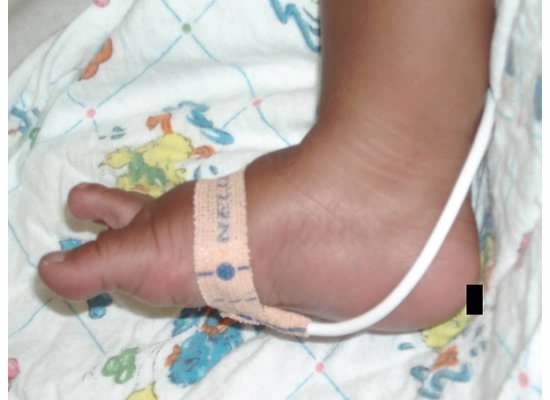
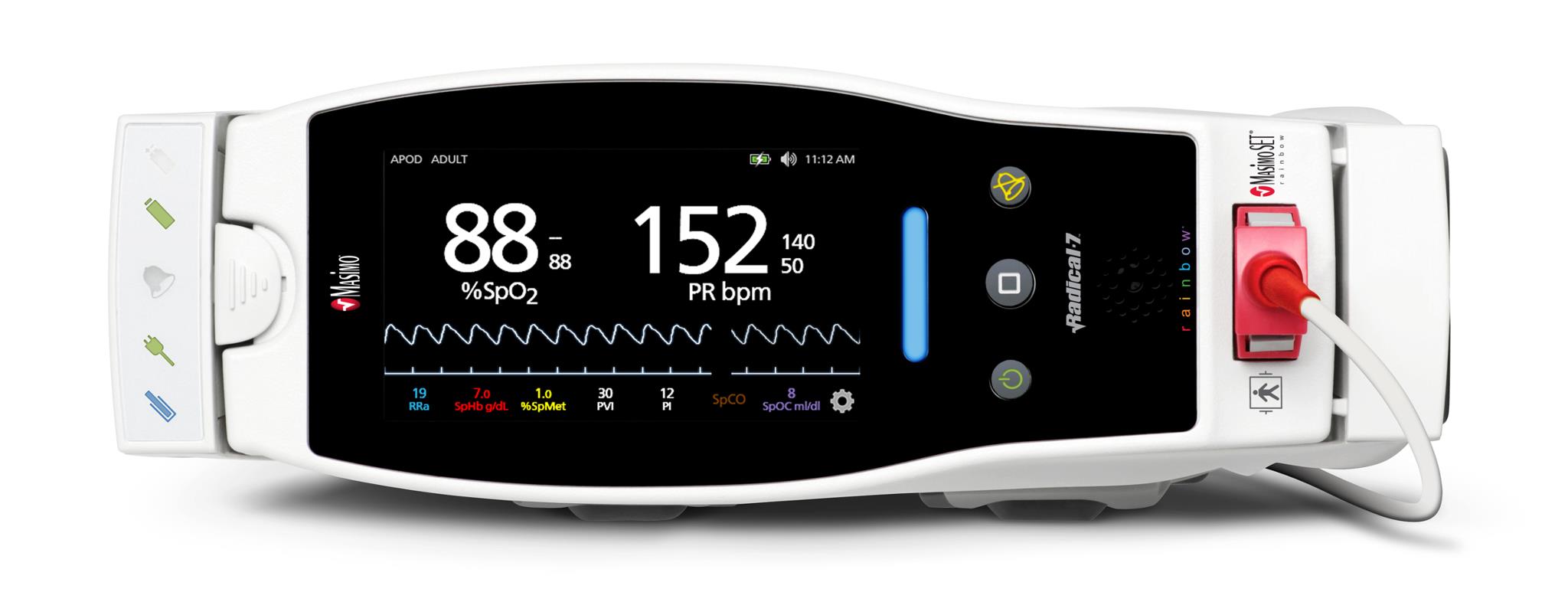
Congenital heart disease (CHD) is the most common birth defect effecting approximately 8 in every 1000 babies born each year. Patients with Critical Congenital Heart Disease or  CCHD, the most severe of form of this birth defect, require intervention before one year of age. Additionally, CCHD accounts for nearly 40% of deaths in children with congenital abnormality within the first year of life. Hence, if not detected early, critical congenital heart disease can cause severe problems and even death, with one study showing that 43% of babies diagnosed after hospital discharge from the nursery were in shock at the time of hospital readmission. Hence, the cost of missed diagnosis is enormous. Pulse oximetry, a simple, pain-free test that measure oxygen in the blood, has been recommended as a potential method for detection of critical congenital heart disease.

ry%3D400

Adding CCHD screening, using pulse oximetry, to the usual physical exam would lead to early detection of critical congenital heart disease in newborns and save countless lives.  Studies have shown that pulse oximetry has high rate of detection for critical congenital heart disease in newborn. Last year, a group of experts, both nationally and internationally, met in Washington, D.C. to discuss recommendation for best-practice for screening protocols and implementation and published strategies to implement newborn CCHD screening.

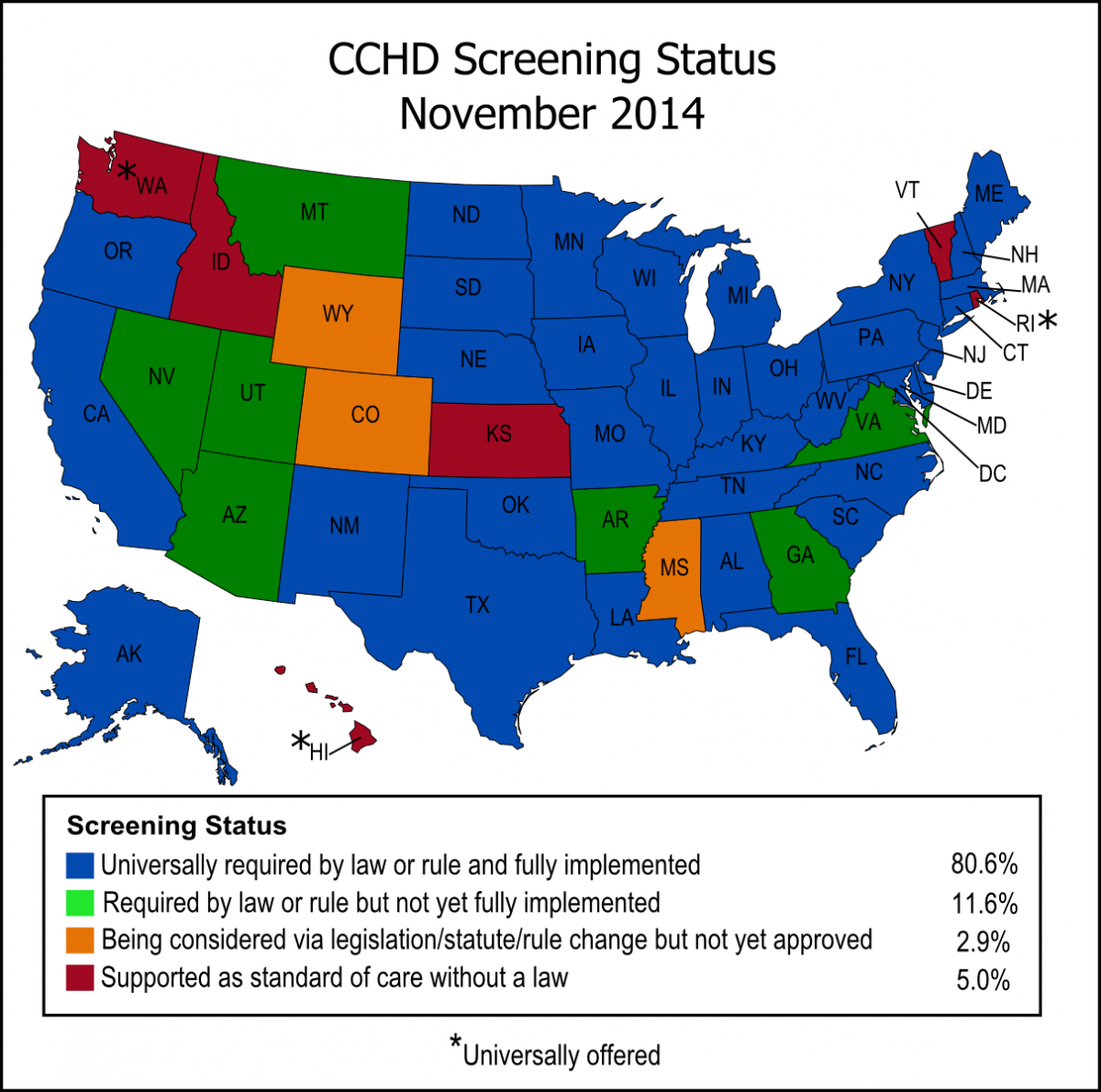
CCHD Map 11-3-14
Courtesy of NewSTEPS https://www.newsteps.org/cchd

In August 2011, New Jersey became the first US state to implement state-wide screening of newborns for CCHD, followed by Indiana. Additionally, Maryland, Tennessee, West Virginia, Connecticut, and New Hampshire passed legislation for state-wide implementation of CCHD screening using pulse oximetry. Now, many of the stated are universally required by law to screen newborns for CCHD prior to discharge. However, we have still more to go. Concerns were expressed over false-positive results leading to unneeded stress for families with added extra costs of unnecessary evaluation and transfers, on top of additional staff time. However, in a study done by Bradshaw and Colleagues of Children’s National Health System and Holy Cross Hospital, which was published in 2012 in the Journal of Perinatology, showed that pulse oximetry can be implemented successfully in community hospitals without excessive number of false-positive or added staff time. Additionally, a study by Ewer and Colleagues, published in 2011 in the medical journal of Lancet, found false-positive rate of 0.8% among more than 20,000 infants screened, of which 6 had significant congenital heart disease and 40 had other illness requiring urgent medical intervention. Furthermore, a British study looking at 13 studies with data from about 230,000 newborns, published online in Lancet, showed that pulse oximetry had a high rate of detection rate for critical congenital heart defects, with a false-positive rate of 0.14%. The false-positive rate was even lower (0.05%) when newborn pulse oximetry was done after 24 hours from birth. Another British study, first published online on May, 2012  on British Medical Journal looking at acceptance rate of CCHD screening among mothers, showed that CCHD screening was acceptable to mothers and false-positive results did not increase stress.

Hence, why are we gambling with the lives of our children? Studies have shown that the test costs from less than $5 to $10 to perform and could save countless lives. The benefits of improving newborns’ quality of lives outweigh any costs. Moreover, the cost of late detection is enormous. Though children are only quarter of our population, they represent 100% of our future and we should not gamble with our future. Newborn CCHD screening should become a practice standard across US. There are still takes who have not approved any laws requiring CCHD screening. It does not cost must but the impact is enormous. Please urge your lawmakers to take action. The time to take action is now!